The Sin of Beth Shemesh: A Lesson About Reverence for God
Ark of the Covenant played a central role in the spiritual life of ancient Israel. It symbolized God’s presence among His people and represented His covenant with them. When the Ark was returned from the Philistines to the town of Beth Shemesh, the people initially rejoiced. However, their response quickly turned sinful, resulting in divine judgment. This event, recorded in First Book of Samuel (1 Samuel 6:19), reveals an important lesson about the holiness of God and the importance of reverence in approaching Him.


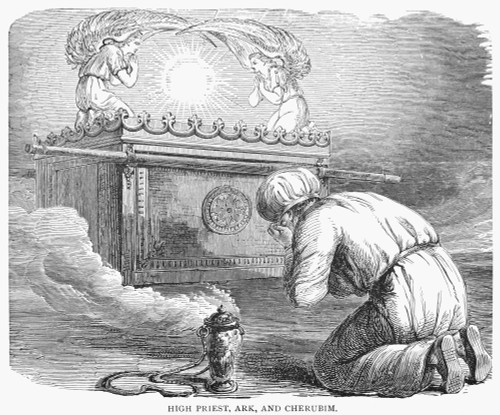
The Return of the Ark to Beth Shemesh
After the Philistines captured the Ark in battle, they soon experienced severe plagues and disasters. Recognizing that these calamities came from Israel’s God, they decided to return the Ark to Israel.
According to the biblical narrative:
-
The Philistines placed the Ark on a cart pulled by two cows.
-
The cart traveled directly toward Beth Shemesh.
-
The Israelites in the fields saw the Ark and rejoiced greatly.
The people offered sacrifices and thanked God for the Ark’s return. At first glance, their reaction seemed appropriate. However, their celebration soon turned into irreverent behavior, which led to a tragic outcome.
Why the Response of Beth Shemesh Was Considered Sinful
The main reason their response was sinful is that many of the people looked into the Ark of the Covenant, something strictly forbidden by God’s law.
1. They Violated God’s Clear Instructions
In the Law given through Moses, God established strict rules about handling the Ark.
Key commands included:
-
Only Levites were permitted to handle the Ark.
-
It was to be carried with poles, not touched directly.
-
No one was allowed to look inside it.
These rules were given because the Ark symbolized the holy presence of God. When the people of Beth Shemesh looked into it, they disregarded God’s instructions.
Result
Scripture records that many people died as a result of this act, demonstrating that God’s holiness cannot be treated lightly.
2. They Treated a Sacred Object With Curiosity Instead of Reverence
Another reason their response was sinful was their attitude. Rather than approaching the Ark with humility and awe, many treated it as an object of curiosity.
Their behavior showed:
-
Casualness toward holy things
-
Lack of respect for God’s presence
-
Human curiosity overriding obedience
The Ark was not a mere religious artifact. It represented:
-
God’s throne among His people
-
The covenant between God and Israel
-
The sacred holiness of God
By treating it carelessly, the people failed to honor the significance of what stood before them.
3. They Failed to Recognize God’s Holiness
The tragedy at Beth Shemesh highlights a central biblical theme: God is holy.
Holiness means that God is:
-
Perfect
-
Pure
-
Completely separate from sin
Because of this holiness, approaching God required obedience, reverence, and humility.
The people of Beth Shemesh had witnessed God’s power:
-
The Ark caused plagues among the Philistines.
-
False gods had fallen before it.
-
Entire cities feared its presence.
Yet despite these signs, they still approached the Ark without proper respect.
The People’s Realization and Fear
After the judgment occurred, the people of Beth Shemesh were filled with fear. They asked an important question recorded in Scripture:
“Who can stand before the Lord, this holy God?”
This response shows that they finally realized something crucial:
-
God is not to be treated casually.
-
His holiness demands respect.
Because of their fear, they sent the Ark away to another town rather than keep it among them.
What This Event Reveals About Reverence for God
The story of Beth Shemesh teaches timeless spiritual lessons that still apply today.
1. God’s Holiness Must Be Respected
The event reminds believers that God is loving, but He is also holy.
True worship involves:
-
Respect
-
Obedience
-
Humility before God
Ignoring God’s commands while claiming to honor Him is inconsistent with genuine faith.
2. Religious Symbols Are Not Ordinary Objects
Sacred things should never be treated lightly. In ancient Israel, the Ark represented God’s presence.
Today, reverence for God may be shown through:
-
Respectful worship
-
Careful obedience to Scripture
-
A humble attitude toward spiritual matters
The lesson is not about objects alone, but about how people approach God Himself.
3. Curiosity Should Never Replace Obedience
Human curiosity often leads people to push boundaries. However, when it comes to spiritual matters, obedience is more important than curiosity.
The people of Beth Shemesh allowed curiosity to override God’s commands, and the result was devastating.
A Broader Biblical Lesson
The story connects with other biblical moments where people approached God improperly:
-
Nadab and Abihu offered unauthorized fire before God.
-
Uzzah touched the Ark to steady it and died.
Each story emphasizes the same truth:
God’s holiness requires reverence and obedience.
Conclusion
The sinful response of the people of Beth Shemesh to the Ark of the Covenant reveals a powerful lesson about reverence for God. Although they rejoiced at the Ark’s return, their curiosity and disregard for God’s instructions led them to treat a sacred symbol casually. By looking into the Ark, they violated divine commands and failed to respect the holiness of God.
This event reminds believers that God is not only loving but also holy. Approaching Him requires humility, obedience, and deep respect. The tragedy at Beth Shemesh ultimately teaches that true worship is not merely about celebration but about honoring God’s holiness in every aspect of life.
How did Judges portray the exhaustion of human and material resources?
Comments are closed.