اردو بائبل
اردو بائبل آن لائن
پڑھیں، سنیں اور خدا کے کلام کا مطالعہ کریں۔
THE HOLY BIBLE
📖 بائبل کی کتابیں
عہد نامہ قدیم
POPULAR READING
🔥 مقبول بائبل ابواب
زبور 23
خداوند میرا چوپان ہے
comfort • trust • peace
یوحنا 3
خدا کی محبت اور نجات
love • salvation • faith
رومیوں 8
مسیح میں نئی زندگی
hope • freedom • life
زبور 91
خدا کی پناہ میں
protection • refuge • faith
متی 6
دعا اور خدا پر بھروسہ
prayer • trust • faith
1 کرنتھیوں 13
محبت
love • patience • kindness
فلپیوں 4
ہر حال میں خدا پر بھروسہ
peace • joy • strength
زبور 121
میری مدد کہاں سے آئے گی؟
help • protection • hope
LEARN & STUDY
📚 بائبل کا مطالعہ
01
آیت بہ آیت تشریح
اردو اور English explanation کے ذریعے بائبل کو مزید سمجھیں۔
مطالعہ شروع کریں →
بائبل سوالات
بائبل، یسوع مسیح، انبیاء اور مقدس کتاب کے بارے میں سوالات کے جوابات۔
سوالات دیکھیں →
بائبل کے مضامین
بائبل کی کتابوں، کرداروں، موضوعات اور تعلیمات کے بارے میں مزید جانیں۔
مضامین دیکھیں →
EXPLORE SCRIPTURE
🔎 بائبل میں تلاش کریں
BibleInUrdu.com
BibleInUrdu.com کا مقصد اردو بولنے والے قارئین کے لیے بائبل تک آسان رسائی فراہم کرنا ہے۔ یہاں آپ اردو بائبل پڑھ سکتے ہیں، بائبل کے مختلف موضوعات کا مطالعہ کر سکتے ہیں اور دستیاب آڈیو وسائل سے فائدہ اٹھا سکتے ہیں۔
Read and Listen to the Urdu Bible Online – The Holy Bible in the Urdu Language
The Urdu Bible is the most widely read and translated book in human history. For Urdu-speaking Christians and seekers, accessing the Holy Bible in their native language has never been more important—or easier. Thanks to online platforms, you can now read and download the Urdu Bible, completely free, from anywhere in the world.
In this article, we’ll explore the Bible in Urdu, where to access it online, how to download it, and why having the Scriptures in your language can transform your spiritual journey.
Why the Urdu Bible Matters
Urdu is spoken by more than 170 million people, primarily in Pakistan and parts of India. It is a beautiful and expressive language, and having the Urdu Bible available in
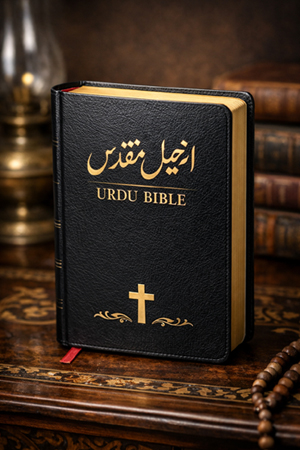 Urdu makes the Word of God more accessible to millions of believers and seekers.
Benefits of Reading the Bible in Urdu:
-
Deeper Understanding: Reading in your native language brings clarity and emotional connection.
-
Better Retention: Scriptures are easier to remember and apply in everyday life.
-
Spiritual Growth: Personal Bible study becomes more meaningful and transformative.
Where to Read the Urdu Bible Online
Thanks to digital technology, there are now several trusted websites and mobile apps where you can read the Urdu Bible online. These platforms offer both the Old Testament and the New Testament, often with features like search, bookmarking, and daily reading plans.
Popular Platforms for Urdu Bible:
-
YouVersion (Bible.com)
Offers free access to the Bible in Urdu in multiple translations via the app and website. Includes audio and daily verses. -
Bible Gateway
Hosts several Bibles in Urdu and allows keyword searches, cross-references, and more. -
WordProject.org
Offers a downloadable PDF and online reading of the Bible in Urdu. -
Bible.is
Features audio versions of the Bible in Urdu—great for those who prefer listening.
How to Download the Urdu Bible for Free
If you prefer to study the Urdu Bible offline or save it for later, downloading is a great option. Download our Offline Urdu Bible App from the Play Store

We also offer Bible apps that allow you to download entire versions for offline use, even with audio playback.
Features to Look for in an Urdu Bible App or Website
When choosing a platform to read or download the Urdu Bible, look for the following:
-
Complete Translation of Old and New Testaments
-
Offline Access
-
Search Functionality
-
Audio Bible Support
-
Daily Devotionals and Plans
-
User-Friendly Interface
Final Thoughts
Reading and downloading the Urdu Bible online empowers millions of Urdu speakers to connect deeply with God’s Word. Whether you’re a lifelong believer, a new Christian, or simply curious about the Bible, having access to Scripture in your own language is a life-changing resource.
Explore the rich message of the Bible today—right in the language of your heart.
📌 Key Takeaways:
-
The Urdu Bible is freely available online for reading and downloading.
-
Top platforms include YouVersion, Bible Gateway, and WordProject.
-
Offline access and audio features enhance personal study.
-
Reading in your native language deepens understanding and faith.
Urdu Bible Translation History: Complete Guide to the Origin and Development of the Urdu Bible
Introduction to the Bible in Urdu Translation
The Urdu Bible translation history is a significant chapter in Christian literature in South Asia. Urdu is widely spoken in Pakistan, India, and the diaspora
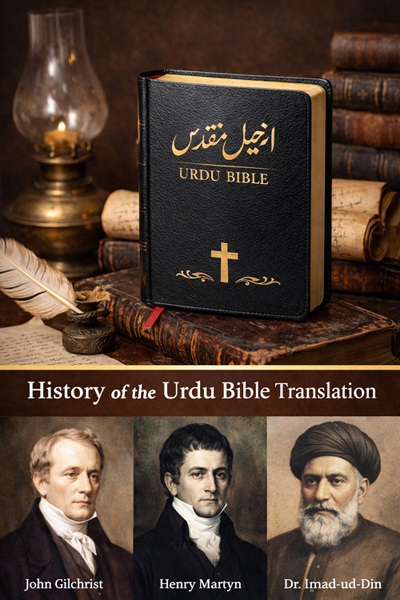
communities worldwide, making it a vital language for biblical translation. The translation of the Holy Bible into Urdu allowed millions of people to read and understand Scripture in their native language, strengthening Christian faith and education across the region.
Origins of the Urdu Language and Early Christian Texts
Urdu developed during the 17th and 18th centuries as a blend of Arabic, Persian, Turkish, and Indo-Aryan languages. As Urdu became the dominant literary language of North India, missionaries and scholars recognized the need for Bible translation in Urdu rather than Persian or Latin.
Before full Bible translations, Christian teachings and Gospel portions were circulated in Urdu to reach local populations more effectively.
First Urdu Bible Translation Efforts (18th–19th Century)
The earliest efforts toward an Urdu Bible translation began in the late 1700s.
Key Early Contributors
-
John Gilchrist – Developed Urdu grammar and standardized vocabulary
-
Henry Martyn – Translated portions of the New Testament
-
Serampore Mission – Played a major role in publishing early translations
Urdu New Testament Translation
-
The first Urdu New Testament was completed in the early 19th century
-
Early translations used highly Persianized Urdu, reflecting formal literary standards of the time
First Complete Urdu Bible
The first complete Urdu Bible translation (Old and New Testaments) was published in the mid-19th century, marking a milestone in Christian history in South Asia.
Notable Translators
-
Rev. Robert Cotton Mather
-
Dr. Imad-ud-Din – A former Muslim scholar who became a leading Urdu Christian theologian
This translation became the standard Urdu Bible for churches and Christian institutions for many decades.
Urdu Bible Revisions and Language Modernization
As spoken and written Urdu evolved, Bible revisions became necessary to ensure clarity and accuracy.
Major Improvements
-
Simplified sentence structure
-
Replaced archaic Persian words with modern Urdu terms
-
Improved accuracy using original Hebrew and Greek manuscripts
The Urdu Revised Version (URV) emerged as the most widely accepted revision.
Role of Bible Societies in Urdu Bible Translation
Bible societies played a crucial role in preserving and expanding access to the Urdu Bible.
Key Organizations
-
British and Foreign Bible Society
-
Pakistan Bible Society
-
United Bible Societies
Their contributions included:
-
Funding translation and revision work
-
Printing affordable Urdu Bibles
-
Distributing Scriptures across South Asia
Modern Bible in Urdu Translations
Recent translations focus on easy comprehension and contemporary Urdu usage, making Scripture accessible to all age groups.
Popular Modern Versions
-
Urdu Revised Version (URV)
-
Urdu New Translation (UNT)
-
Easy-to-Read Bible in Urdu
Digital editions, mobile apps, and online Bibles have significantly expanded global access.
Impact of the Urdu Bible on Christian Communities
The Urdu Bible has played a vital role in:
-
Church worship and preaching
-
Christian education and seminaries
-
Interfaith dialogue in Urdu-speaking societies
-
Development of Urdu Christian literature and hymns
It remains central to Christian identity in Pakistan and India.
Challenges in Translating the Bible into Urdu
Urdu Bible translators faced multiple challenges:
-
Finding accurate theological equivalents in Urdu
-
Balancing literal translation with natural language flow
-
Addressing cultural and religious sensitivities
Despite these challenges, translators maintained fidelity to biblical meaning.
Conclusion
The history of the Bible in Urdu translation reflects centuries of dedication, scholarship, and faith. From early missionary efforts to modern digital formats, the Urdu Bible continues to guide millions of believers. Its legacy highlights the importance of language-based Scripture translation in spreading the message of Christianity across cultures and generations.
FAQs
1. What is the history of the Bible in Urdu?
The history of the Bible in Urdu began in the late 18th century, with early missionary efforts leading to the first Urdu New Testament in the early 19th century and the complete Bible in Urdu in the mid-19th century.
2. Who translated the Bible into Urdu?
The Bible was translated into Urdu by Christian missionaries and scholars, including John Gilchrist, Henry Martyn, Rev. Robert Cotton Mather, and Dr. Imad-ud-Din.
3. When was the first Bible in Urdu published?
The first complete Bible in Urdu was published in the mid-1800s, after the New Testament was translated earlier in the 19th century.
4. Why was the Bible translated into Urdu?
The Bible was translated into Urdu to make Scripture understandable for Urdu-speaking people in South Asia, especially in present-day Pakistan and India.
5. What is the Urdu Revised Version (URV)?
The Urdu Revised Version (URV) is a modern update of the Urdu Bible that uses clearer language and more accurate translations from the original Hebrew and Greek texts.
6. Is the Bible in Urdu different from the English Bible?
The Bible in Urdu contains the same biblical content as the English Bible but is translated into the Urdu language while maintaining theological accuracy.
7. Is the Bible in Urdu available online?
Yes, the Bible in Urdu is available online through Bible websites, mobile apps, and digital platforms in multiple translations.
8. Which Urdu translation of the Bible is best?
The most widely used Bible translations in Urdu include the Urdu Revised Version (URV) and the Urdu New Translation (UNT), depending on reading preference.
9. Who publishes the Bible in Urdu today?
The Urdu Bible is published and distributed by organizations such as the Pakistan Bible Society and United Bible Societies.
10. Where is the Bible in Urdu commonly used?
The Bible in Urdu is commonly used in Pakistan, India, and among Urdu-speaking Christian communities worldwide.