Why Is Righteous Leadership Compared to Light and Rain?

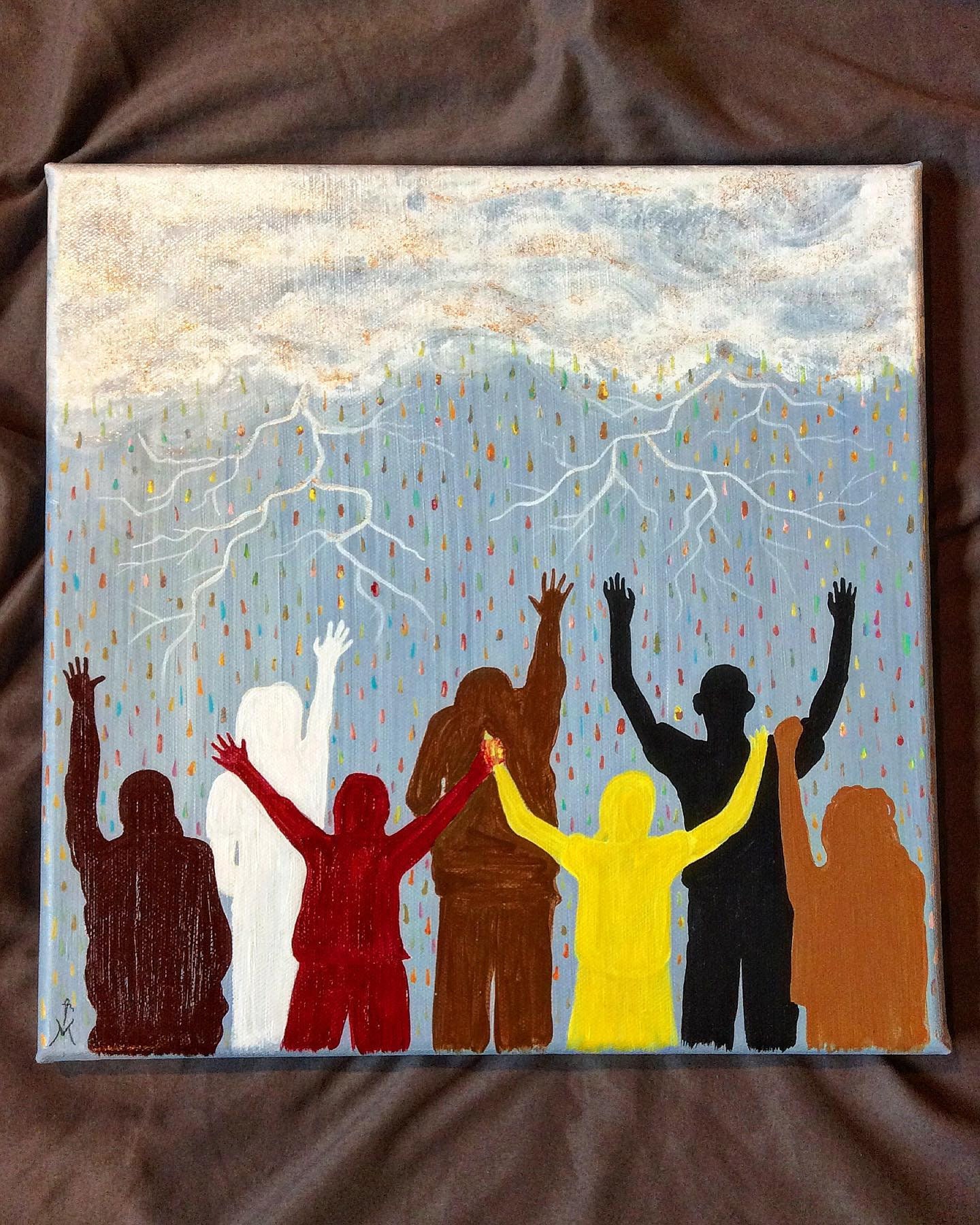
Righteous leadership is one of the most powerful themes in the Bible and in ethical leadership philosophy. Scripture often uses natural imagery to explain spiritual truths. One striking example appears in 2 Samuel 23:4, where a just ruler is described “like the light of morning at sunrise on a cloudless morning, like the brightness after rain that brings grass from the earth.”
This poetic comparison reveals how righteous leadership positively influences people and society. Just as sunlight and rain sustain life on earth, a righteous leader brings clarity, growth, peace, and renewal to a community.
In this article, we will explore why leadership grounded in justice and integrity is compared to light and rain, and what this metaphor teaches about leadership today.
1. Light Symbolizes Clarity, Guidance, and Hope
Light is one of the most common biblical metaphors for truth and righteousness. When a righteous leader is compared to the light of morning, it highlights several important qualities.
The Meaning of Morning Light
Morning light after darkness represents:
-
New beginnings
-
Clarity and direction
-
Hope after uncertainty
-
Peace and stability
In ancient times, darkness symbolized danger and confusion. When the sun rose, it meant safety and a fresh start. In the same way, righteous leaders bring clarity and guidance to people who may otherwise feel lost.
Leadership That Illuminates
A righteous leader:
-
Provides clear moral direction
-
Encourages justice and fairness
-
Removes confusion through wise decisions
-
Inspires people with vision and hope
Just as sunlight reveals the landscape, righteous leadership reveals the right path for a community or nation.
2. Rain Represents Nourishment and Growth
While light symbolizes guidance, rain symbolizes provision and growth.
In the agricultural world of the Bible, rain was essential for survival. Without rain, crops failed, and famine followed. When rain arrived, the land flourished.
The comparison suggests that righteous leaders:
-
Nurture communities
-
Create conditions for growth and prosperity
-
Refresh weary people
-
Encourage renewal and development
Scripture often links rain with blessing. The image of grass growing after rain reflects the flourishing that occurs when leadership is just and compassionate.
3. The Combination of Light and Rain Creates Life
The imagery becomes even more powerful when light and rain are combined.
Both are essential for life:
-
Light provides energy
-
Rain provides nourishment
Together they cause plants to grow and ecosystems to thrive. The metaphor suggests that righteous leadership brings both guidance and support, enabling people to flourish.
Effects of Righteous Leadership
When leadership reflects justice and wisdom, society experiences:
-
Stability
-
Social harmony
-
Economic prosperity
-
Spiritual renewal
-
Moral clarity
Just as sunlight after rain causes fresh grass to appear, righteous leadership produces new life and opportunity in a nation.
4. Righteous Leaders Reflect God’s Character
The metaphor also emphasizes that true leadership reflects God’s nature.
In biblical thought, God Himself provides:
-
Sunlight that sustains life
-
Rain that nourishes the earth
Similarly, leaders are meant to reflect divine qualities such as:
-
Justice
-
Mercy
-
Wisdom
-
Faithfulness
-
Compassion
When leaders govern with integrity, they mirror God’s care for humanity. Their leadership becomes a channel of blessing for others.
5. The Contrast With Corrupt Leadership
The imagery of light and rain becomes even clearer when contrasted with unrighteous leadership.
Bad leadership resembles:
-
Darkness that causes confusion
-
Drought that destroys growth
-
Storms that damage communities
When leaders are unjust:
-
Trust erodes
-
People suffer
-
Opportunities disappear
-
Fear replaces hope
But righteous leadership restores balance just as sunshine after rain refreshes the land.
6. Lessons for Modern Leadership
Although this metaphor comes from ancient scripture, its message remains relevant today.
Principles of Righteous Leadership
Modern leaders—whether in government, business, or community life—can apply these principles:
1. Lead with Integrity
-
Truth and honesty create trust.
2. Provide Vision
-
Like light, leaders should illuminate the future.
3. Support Growth
-
Encourage education, opportunity, and development.
4. Serve Others
-
Leadership exists to benefit people, not exploit them.
5. Promote Justice
-
Fairness and accountability allow communities to flourish.
When these qualities are present, leadership becomes a source of life rather than oppression.
7. The Ultimate Model of Righteous Leadership
Many theologians see this imagery pointing toward the ideal ruler—a leader who perfectly embodies justice, wisdom, and compassion.
The biblical narrative often anticipates a leader whose reign will bring:
-
Light to darkness
-
Healing and restoration
-
Peace and flourishing
This vision reflects the hope that one day perfect righteousness will guide the world.
Conclusion
The comparison of righteous leadership to light and rain beautifully illustrates the transformative power of just leadership.
-
Light represents clarity, hope, and guidance.
-
Rain symbolizes nourishment, renewal, and growth.
Together they portray leadership that illuminates the path forward while nurturing the well-being of people.
Just as sunlight and rain sustain life on earth, righteous leaders create environments where communities can thrive, prosper, and grow in peace. The metaphor reminds us that leadership is not merely about authority—it is about bringing life, hope, and blessing to others.
Why does David connect obedience with blessing in his final reflections?
Comments are closed.