Literary Techniques in the Book of Ruth and Their Impact on the Narrative
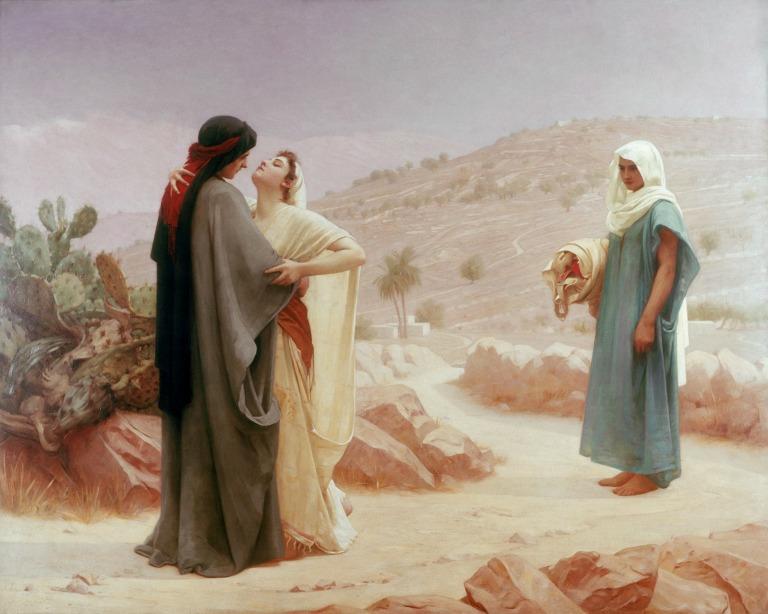
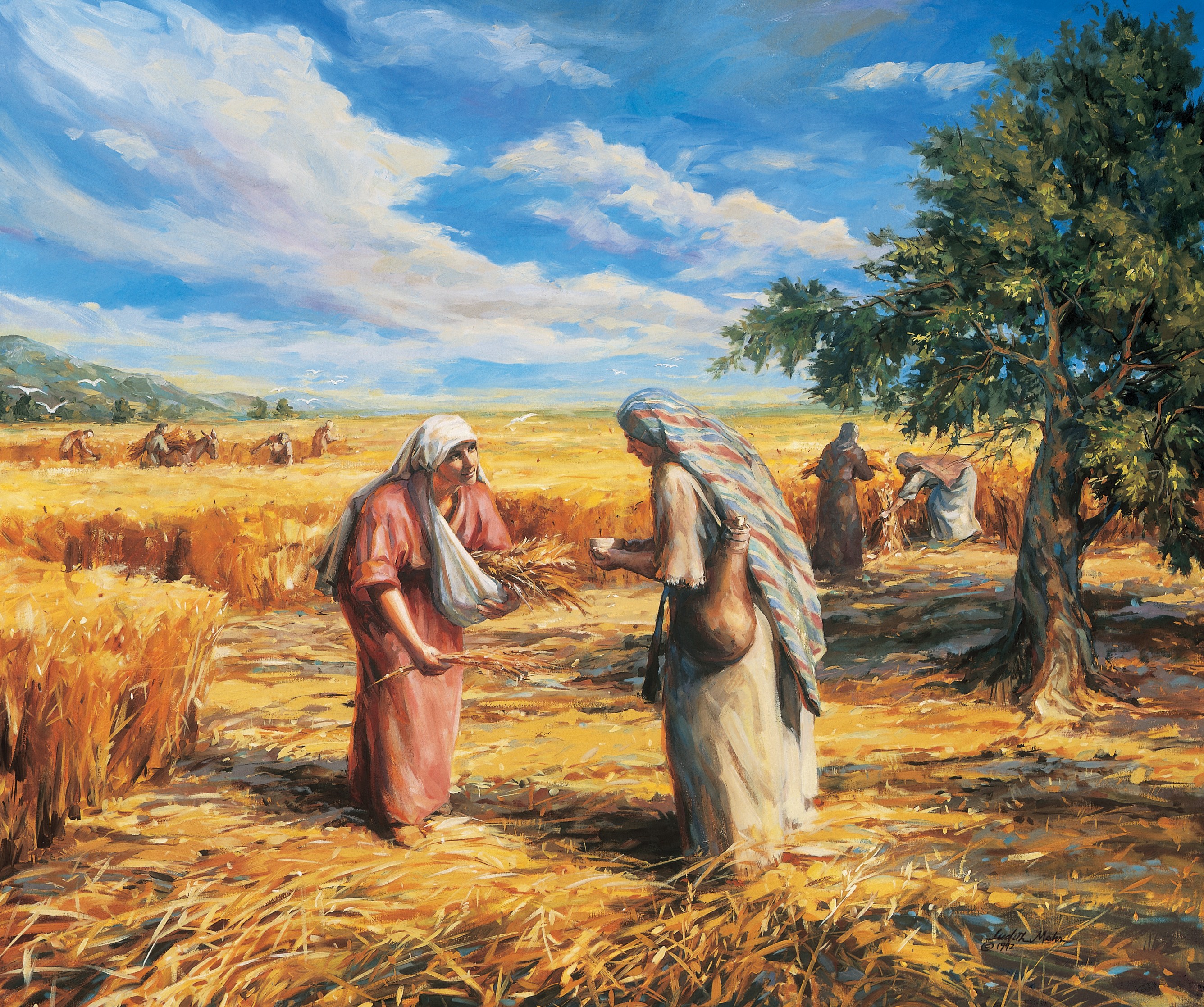
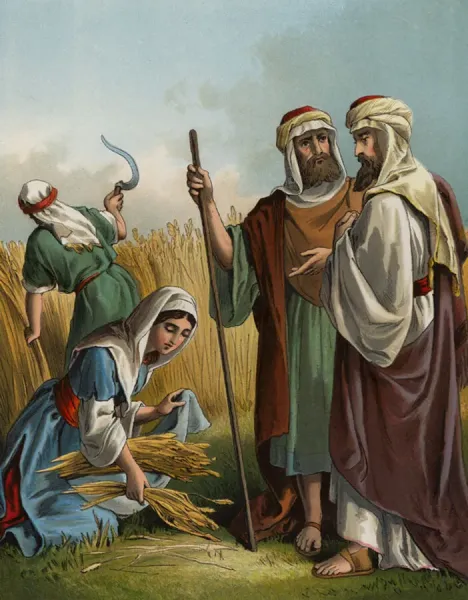
The Book of Ruth is one of the most beautifully crafted narratives in the Bible. Although it is a short story consisting of only four chapters, the author uses a variety of literary techniques to communicate deep themes such as loyalty, redemption, faithfulness, and divine providence. Through careful storytelling, vivid characterization, symbolic actions, and narrative structure, the author creates a powerful message about human kindness and God’s quiet guidance in everyday life.
Understanding these literary techniques helps readers appreciate how the narrative communicates its themes and why the story remains meaningful for readers across generations.
1. Characterization: Developing Meaning Through People
One of the most important literary techniques in the Book of Ruth is characterization. The author carefully develops the personalities and motivations of the main characters.
Key Characters
-
Ruth – A Moabite widow known for loyalty, humility, and faithfulness.
-
Naomi – Ruth’s mother-in-law who experiences deep grief and later restoration.
-
Boaz – A wealthy landowner who represents kindness, integrity, and justice.
How Characterization Supports the Message
Through these characters, the narrative explores several themes:
-
Loyalty and devotion – Ruth’s famous declaration to Naomi shows extraordinary commitment.
-
Kindness and compassion – Boaz’s treatment of Ruth reflects ethical leadership.
-
Restoration after suffering – Naomi’s journey from despair to hope illustrates the possibility of renewal.
By presenting realistic emotions and moral choices, the author allows readers to connect deeply with the characters and internalize the story’s lessons.
2. Dialogue: Revealing Themes Through Conversation
Dialogue is one of the most powerful tools used in the narrative. Instead of long explanations, the author allows characters to express their beliefs and emotions through conversations.
Examples of Meaningful Dialogue
Some of the most memorable lines occur in conversations between Ruth and Naomi. For example, Ruth promises:
-
To go wherever Naomi goes
-
To adopt Naomi’s people and God
-
To remain faithful until death
This dialogue highlights several themes:
-
Commitment and covenant loyalty
-
Faith across cultural boundaries
-
Personal sacrifice
Similarly, the conversations between Ruth and Boaz emphasize themes of respect, protection, and moral responsibility.
Through dialogue, the author brings emotional intensity and clarity to the narrative.
3. Symbolism: Ordinary Actions with Deeper Meaning
Symbolism is another important literary technique in the Book of Ruth. Simple actions and events carry deeper symbolic meanings.
Important Symbols in the Story
1. Gleaning in the Fields
Ruth’s work gathering leftover grain symbolizes:
-
Humility
-
Hard work
-
Dependence on community generosity
It also highlights social laws designed to protect the poor and foreigners.
2. The Harvest
The setting during the barley harvest symbolizes:
-
Renewal
-
Provision
-
Hope after hardship
The harvest parallels Naomi’s personal restoration.
3. The Kinsman-Redeemer
Boaz acts as a “redeemer,” meaning a family member who restores lost property and family lines. This symbolizes:
-
Protection of vulnerable people
-
Restoration of broken families
-
Divine care working through human action
These symbolic elements deepen the meaning of the narrative beyond the surface story.
4. Irony: Unexpected Reversals
The author also uses irony, where the outcome of events contrasts with what might be expected.
Examples of Irony in the Story
-
Ruth is a foreigner, yet she becomes a model of faithfulness.
-
Naomi returns “empty,” yet she ultimately gains family and restoration.
-
A marginalized widow becomes part of an important lineage.
One of the most striking ironies is that Ruth eventually becomes an ancestor of King David, showing how someone from outside Israel plays a key role in its history.
This irony emphasizes an important theme: God’s plans often unfold in unexpected ways.
5. Narrative Structure: A Carefully Designed Story
The Book of Ruth follows a carefully organized narrative structure that builds emotional tension and resolution.
Four-Part Story Structure
1. Tragedy (Chapter 1)
-
Naomi loses her husband and sons.
-
Ruth chooses to stay with her.
2. Survival (Chapter 2)
-
Ruth works in Boaz’s fields to provide food.
3. Risk and Initiative (Chapter 3)
-
Naomi guides Ruth in seeking redemption through Boaz.
4. Restoration (Chapter 4)
-
Boaz redeems the family line.
-
Naomi gains a grandson.
This structure moves from loss to redemption, reinforcing the story’s central message that hardship can lead to renewal.
6. Theme of Hesed (Loving Kindness)
A central concept in the Book of Ruth is hesed, a Hebrew word meaning steadfast love, loyalty, or covenant kindness.
The author demonstrates this theme through actions rather than abstract teaching.
Examples of Hesed
-
Ruth’s loyalty to Naomi
-
Boaz’s protection of Ruth
-
Naomi’s concern for Ruth’s future
These acts show how kindness and faithfulness transform lives and communities.
7. Subtle Divine Presence
Unlike many other biblical books, God rarely speaks directly in the narrative. Instead, the author uses subtle divine guidance.
God’s presence is seen through:
-
Coincidences (Ruth “happening” to work in Boaz’s field)
-
Blessings spoken by characters
-
The eventual restoration of Naomi’s family
This literary technique suggests that divine providence often works quietly through everyday events and human decisions.
Impact of These Literary Techniques on the Narrative
The literary techniques used in the Book of Ruth greatly enhance the story’s impact.
They Make the Story More Powerful
The use of characterization, dialogue, and symbolism helps readers:
-
Connect emotionally with the characters
-
Understand the themes more deeply
-
See moral lessons through lived experiences
They Reinforce the Story’s Core Messages
The techniques emphasize key ideas such as:
-
Loyalty and devotion
-
Compassion toward outsiders
-
Faithfulness in difficult circumstances
-
God’s hidden guidance in human life
They Create a Memorable Narrative
Because of its literary artistry, the Book of Ruth reads like a carefully crafted short story, making it one of the most beloved narratives in biblical literature.
Conclusion
The author of the Book of Ruth skillfully uses characterization, dialogue, symbolism, irony, and narrative structure to communicate its themes. These literary techniques transform a simple story about two widows into a profound reflection on loyalty, redemption, and divine providence.
Through the actions of Ruth, Naomi, and Boaz, the narrative demonstrates that acts of kindness and faithfulness can bring restoration even after great loss. The subtle artistry of the storytelling ensures that the message remains powerful, inspiring readers to value compassion, loyalty, and hope in their own lives.
How does Ruth’s position as a foreign widow in Israel highlight the inclusivity of God’s grace?
Comments are closed.