The Theological Significance of Boaz Acting as a Kinsman-Redeemer for Ruth
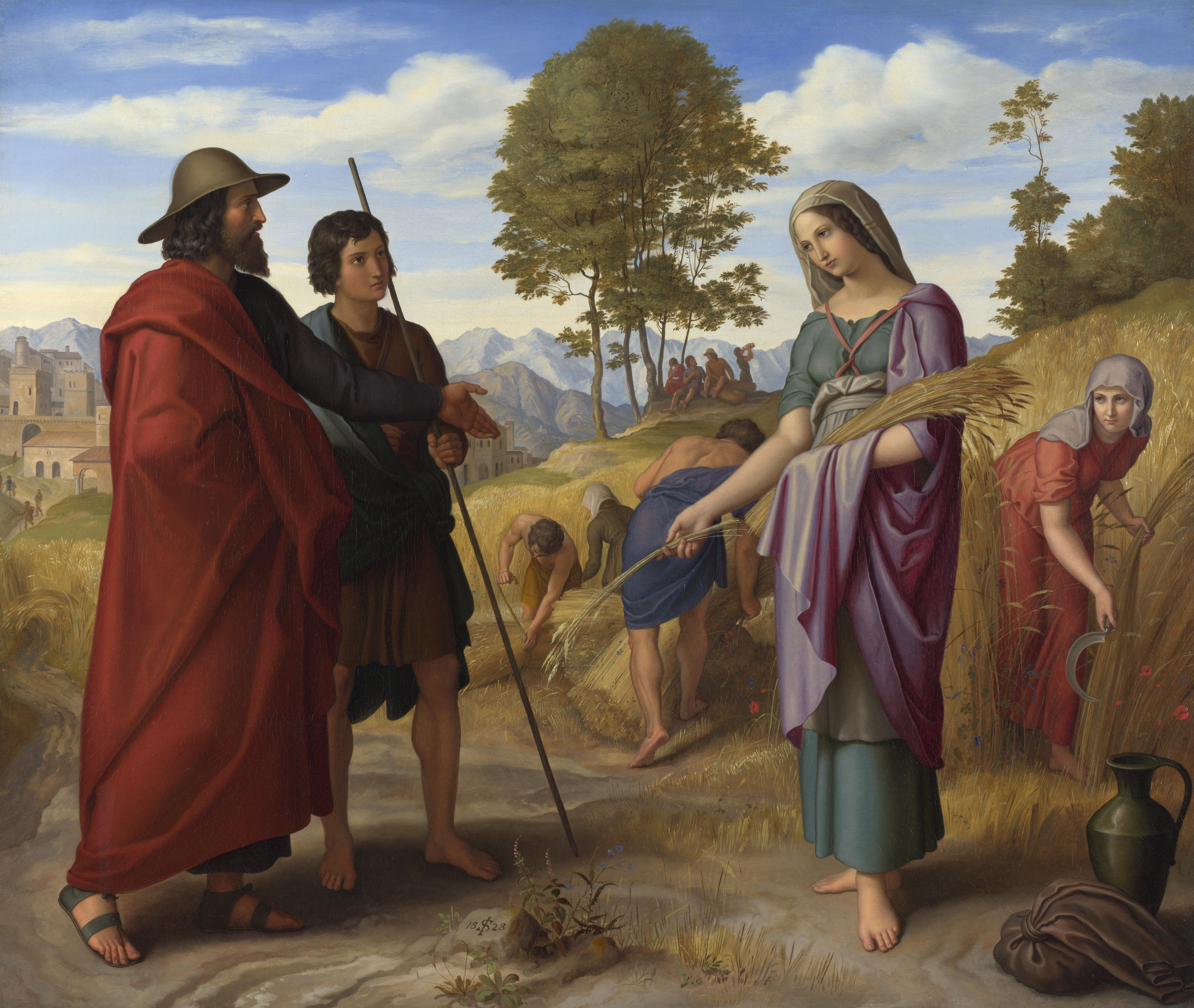

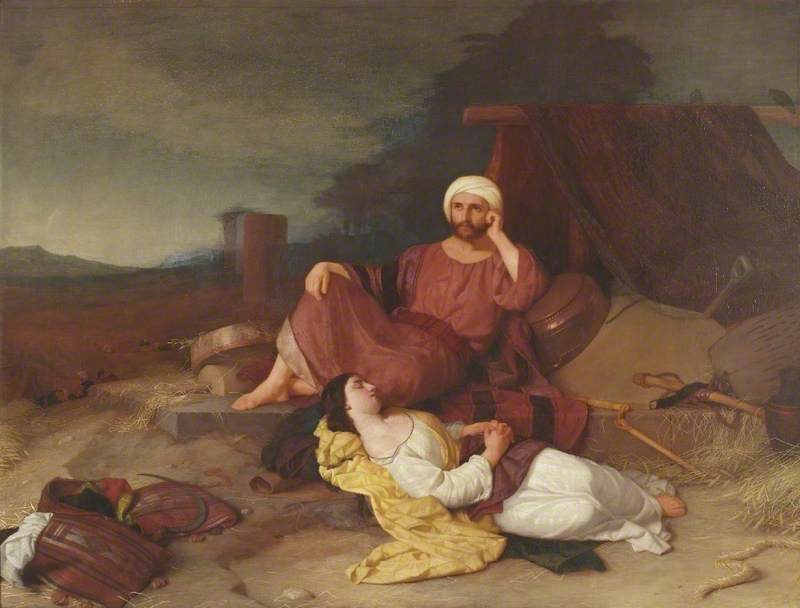
The story of Book of Ruth presents one of the most powerful illustrations of redemption, grace, and covenant faithfulness in the Bible. At the center of this narrative stands Boaz, who acts as a kinsman-redeemer for Ruth, a widowed Moabite woman. His role is not merely a cultural custom but carries deep theological meaning.
The concept of the kinsman-redeemer (Hebrew: goel) reflects God’s design for restoring families, protecting inheritance, and preserving dignity. Through Boaz’s actions, the narrative reveals profound themes of divine providence, covenant loyalty, and the foreshadowing of spiritual redemption.
Understanding the Role of the Kinsman-Redeemer
In ancient Israelite law, a kinsman-redeemer was a close relative responsible for protecting the rights and welfare of family members in crisis. This role included:
-
Redeeming family land that had been sold because of poverty
-
Marrying a widow to preserve the family line
-
Protecting relatives from injustice or exploitation
-
Restoring lost inheritance within the family
These practices ensured that families remained secure within the covenant community. In the case of Ruth, the kinsman-redeemer responsibility became essential because she and her mother-in-law Naomi had lost their husbands and their economic security.
Boaz as the Redeemer of Ruth and Naomi
When Boaz learns about Ruth’s loyalty to Naomi, he acts with extraordinary generosity and integrity. His actions demonstrate the responsibilities of a faithful redeemer.
Key Actions of Boaz
1. Protection and Provision
Boaz allows Ruth to glean in his fields, ensuring her safety and access to food. This shows compassion toward the vulnerable.
2. Legal Redemption of Land
Naomi’s family land had to be redeemed to remain within the clan. Boaz publicly purchases the land to restore the inheritance.
3. Marriage to Preserve the Family Line
By marrying Ruth, Boaz fulfills the duty of raising up descendants for Naomi’s deceased son.
4. Acting with Integrity
Boaz follows the legal process at the city gate before elders, demonstrating righteousness and respect for God’s law.
Through these actions, Boaz restores dignity, security, and hope to Ruth and Naomi.
Theological Themes in Boaz’s Redemption
The story of Boaz carries several profound theological meanings.
1. God’s Providence in Human Events
Although God rarely appears directly in the narrative, His guidance is evident throughout the story.
Examples include:
-
Ruth “happening” to glean in Boaz’s field
-
Boaz’s willingness to redeem
-
The birth of a child that restores Naomi’s joy
These events show that God works behind the scenes to accomplish His purposes.
2. Covenant Faithfulness (Hesed)
One of the central themes in the Book of Ruth is hesed, meaning loyal love or covenant faithfulness.
This quality appears in:
-
Ruth’s loyalty to Naomi
-
Boaz’s kindness toward Ruth
-
God’s faithful care for His people
Boaz embodies hesed by acting generously beyond what the law strictly requires.
3. Inclusion of the Outsider
Ruth is a Moabite, meaning she is a foreigner outside Israel’s covenant community.
Yet through Boaz’s redemption:
-
She becomes part of Israel
-
She receives security and dignity
-
She participates in God’s redemptive plan
This demonstrates that God’s grace extends beyond ethnic and national boundaries.
4. Restoration of Broken Lives
At the beginning of the story:
-
Naomi is grieving and bitter
-
Ruth is a poor widow
-
Their family line appears to have ended
By the end of the narrative:
-
Naomi’s joy is restored
-
Ruth becomes a respected member of the community
-
A child is born who secures the family’s future
This transformation highlights God’s power to bring renewal from loss.
Boaz as a Foreshadowing of Christ
Many theologians see Boaz as a symbolic foreshadowing of Jesus Christ.
The parallels include:
-
A willing redeemer – Boaz chooses to redeem Ruth just as Christ willingly redeems humanity.
-
A relative redeemer – Boaz must be related to redeem; Christ became human to redeem humanity.
-
Paying a cost – Boaz pays the price for land and marriage; Christ pays the price of redemption through sacrifice.
-
Restoring inheritance – Boaz restores Naomi’s family inheritance; Christ restores believers’ relationship with God.
Because of these parallels, Boaz’s actions are often interpreted as a prophetic picture of spiritual salvation.
The Birth of a Messianic Line
The story concludes with the birth of Obed, the son of Boaz and Ruth.
Obed becomes:
-
The father of Jesse
-
The grandfather of David
This means Ruth, a foreign widow, becomes an ancestor of Israel’s greatest king and part of the lineage leading to Jesus.
Theologically, this demonstrates that God’s redemption operates through unexpected people and circumstances.
Moral and Spiritual Lessons from Boaz’s Redemption
The narrative offers several important lessons for faith and life.
Lessons for Believers
-
Compassion toward the vulnerable
-
Integrity in legal and moral decisions
-
Faithfulness to family responsibilities
-
Trust in God’s providential guidance
Boaz models how individuals can participate in God’s redemptive work through acts of kindness and justice.
Conclusion
The theological significance of Boaz acting as a kinsman-redeemer for Ruth extends far beyond a simple marriage arrangement. His actions demonstrate God’s providence, covenant loyalty, and commitment to restoring broken lives.
Through Boaz’s faithful redemption:
-
Naomi’s family is restored
-
Ruth is welcomed into God’s people
-
A royal and messianic lineage begins
Ultimately, the story illustrates that God’s redemptive purposes unfold through ordinary acts of faithfulness. Boaz’s role as redeemer points forward to the ultimate redemption offered through Jesus Christ, making the Book of Ruth a powerful testimony of grace, inclusion, and divine restoration.
Comments are closed.