The Significance of Naomi Becoming the Nurse of Obed at the End of the Book of Ruth

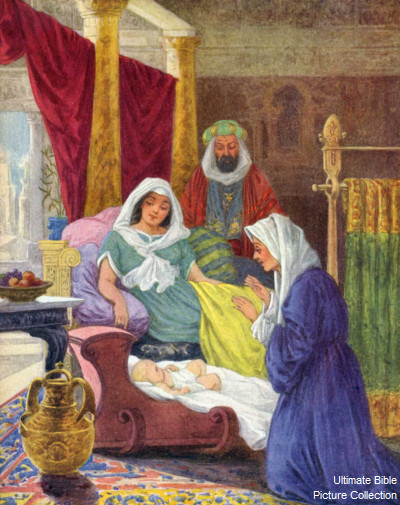
The closing scene of the Book of Ruth contains one of the most touching and meaningful moments in the entire story. After Ruth marries Boaz and gives birth to a son named Obed, the narrative says that Naomi took the child, placed him on her lap, and became his nurse (Ruth 4:16).
This seemingly simple act carries deep theological, social, and narrative significance. Naomi’s role as Obed’s nurse represents restoration, redemption, family continuity, and the fulfillment of God’s providential plan. The moment brings the entire story full circle—from loss and bitterness to joy and renewal.
1. A Symbol of Naomi’s Complete Restoration
At the beginning of the Book of Ruth, Naomi experiences devastating loss. Her husband Elimelech and both of her sons die, leaving her a widow without descendants. In ancient Israelite culture, this meant social vulnerability and family extinction.
Naomi even tells the people of Bethlehem:
“Do not call me Naomi (pleasant); call me Mara (bitter).”
Her life appeared empty and hopeless.
However, when Ruth and Boaz’s child is born, everything changes.
Naomi’s Restoration Includes:
-
Emotional healing from grief
-
Renewal of family identity
-
Restoration of hope for the future
-
Public recognition of God’s blessing
When Naomi becomes Obed’s nurse, the narrative shows that her emptiness has been replaced with fullness.
The women of Bethlehem even declare:
“He will renew your life and sustain you in your old age.”
Thus, Naomi nursing Obed symbolizes God’s reversal of suffering.
2. The Redemption of Naomi’s Family Line
Another major theme of the Book of Ruth is family redemption through the kinsman-redeemer system.
In ancient Israel:
-
A close relative could redeem family property
-
The redeemer could marry a widow to preserve the family line
Boaz fulfills this role by marrying Ruth and producing an heir.
Why Obed Is Important
Obed is not just Ruth and Boaz’s child. He represents:
-
The continuation of Naomi’s family
-
The preservation of Elimelech’s lineage
-
The restoration of inheritance rights
When Naomi nurses Obed, the text symbolically presents the child as belonging to Naomi’s restored household.
The women of Bethlehem even say:
“A son has been born to Naomi.”
This statement does not mean Naomi literally gave birth, but rather that her family line has been revived.
3. Recognition of Ruth’s Faithfulness
Naomi becoming Obed’s nurse also highlights the extraordinary loyalty of Ruth.
Earlier in the story, Ruth famously declares to Naomi:
“Where you go I will go, and your people will be my people.”
Ruth leaves her homeland of Moab and chooses to remain with Naomi despite uncertainty and poverty.
Her actions demonstrate:
-
Loyalty
-
Sacrificial love
-
Faith in Naomi’s God
At the end of the story, Ruth’s faithfulness leads to blessings not only for herself but also for Naomi.
The women of Bethlehem even say Ruth is “better than seven sons.”
Naomi nursing Obed is therefore a reward for Ruth’s devotion, showing that God honors faithful relationships.
4. Community Recognition and Celebration
The final scene is not private—it happens within the community of Bethlehem.
The neighborhood women play an important role by:
-
Celebrating Naomi’s restoration
-
Naming the child Obed
-
Acknowledging Ruth’s value
This communal response shows that Naomi’s transformation from bitterness to joy is recognized publicly.
Community Themes in the Ending
-
Restoration affects the whole community
-
Faithfulness is witnessed by others
-
God’s blessing becomes a shared celebration
The community’s participation reinforces that Naomi’s suffering has been replaced with honor and dignity.
5. Preparation for the Lineage of King David
The significance of Obed extends beyond Naomi’s family.
The final verses of the Book of Ruth include a genealogy showing that:
-
Obed becomes the father of Jesse
-
Jesse becomes the father of David
This means that the story ultimately leads to the royal lineage of Israel.
The Line of David
Obed → Jesse → David
This genealogy highlights several remarkable truths:
-
God works through ordinary people
-
A foreign woman (Ruth) becomes part of Israel’s royal ancestry
-
Naomi’s restored family becomes historically significant
Naomi nursing Obed therefore represents the beginning of a future that will shape Israel’s history.
6. Theological Message: God’s Hidden Providence
Throughout the Book of Ruth, God rarely acts through miracles or dramatic interventions. Instead, divine providence works quietly through:
-
Loyalty between family members
-
Acts of kindness
-
Legal redemption
-
Community support
Naomi’s role as Obed’s nurse reflects the culmination of these hidden blessings.
What began as tragedy gradually unfolds into redemption through everyday faithfulness.
Theological Lessons
-
God can transform bitterness into joy
-
Faithfulness leads to unexpected blessings
-
Redemption often comes through relationships
The story reminds readers that God’s purposes often unfold slowly but faithfully.
7. Narrative Closure and Emotional Resolution
From a literary perspective, Naomi nursing Obed provides a powerful narrative conclusion.
The story begins with Naomi:
-
Leaving Bethlehem in famine
-
Losing her husband and sons
-
Returning empty and bitter
It ends with Naomi:
-
Holding a grandchild
-
Surrounded by community support
-
Experiencing renewed hope
This dramatic contrast creates a complete emotional and narrative resolution.
Conclusion
Naomi becoming the nurse of Obed at the end of the Book of Ruth is far more than a simple family detail. It represents the culmination of the entire story’s themes—restoration, redemption, loyalty, and divine providence.
Through this act, the narrative shows that Naomi’s life has been transformed from emptiness to fullness. Her family line is restored, Ruth’s faithfulness is honored, and the foundation is laid for the future lineage of King David.
Ultimately, Naomi nursing Obed demonstrates that God can bring renewal out of loss and hope out of despair, turning a story of tragedy into one of enduring blessing.
Comments are closed.