The Significance of David Seeking Refuge with Samuel at Naioth in Ramah

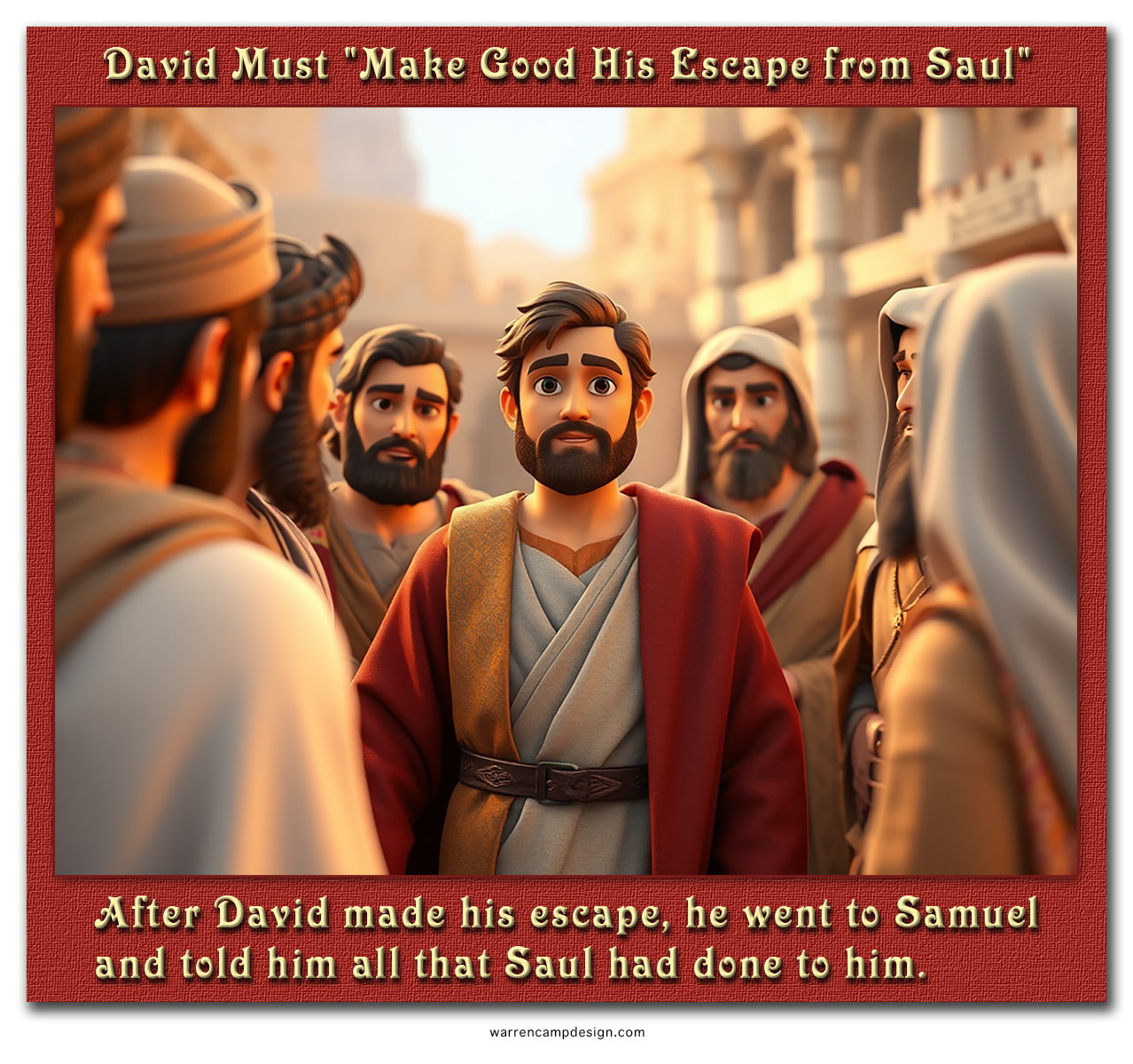

The moment when David fled to Samuel at Naioth in Ramah is one of the most powerful and symbolic events in the book of First Book of Samuel (1 Samuel 19:18–24). This episode occurs during a dangerous period when Saul repeatedly attempted to kill David out of jealousy and fear.
David’s decision to seek refuge with Samuel reveals several profound spiritual themes: the importance of godly leadership, divine protection, the power of God’s presence, and the transition of authority in Israel. The event also highlights how God actively protects His chosen servants even when they face powerful opposition.
1. The Historical Context of David’s Escape
Before David arrived at Naioth, tensions between Saul and David had grown intense. After David’s victory over the Philistines and his rising popularity among the people, Saul became consumed with jealousy.
Several events intensified Saul’s hostility:
-
Saul attempted to kill David with a spear multiple times.
-
Saul sent soldiers to watch David’s house and kill him.
-
David’s wife Michal helped him escape through a window.
-
David became a fugitive, fleeing for his life.
After escaping these attempts, David went directly to Samuel in Ramah and told him everything Saul had done (1 Samuel 19:18).
This moment marked the beginning of David’s life as a fugitive, but it also demonstrated his wisdom in seeking spiritual guidance during crisis.
2. Samuel as a Spiritual Authority and Protector
Samuel was not only a prophet but also a national spiritual leader in Israel. Seeking refuge with him carried deep meaning.
Why David Went to Samuel
David’s choice reveals several important truths:
-
Spiritual guidance: Samuel was the prophet who had originally anointed David as the future king.
-
Trust in God’s servants: David trusted Samuel as a man who listened to God.
-
Safety in a prophetic community: Naioth was likely a place where prophets lived and worshiped together.
Samuel represented the voice of God in Israel. By going to him, David demonstrated humility and dependence on divine direction rather than relying only on his own strength.
3. Naioth: A Center for Prophetic Worship
The name Naioth likely refers to dwellings or a community associated with prophetic training. Many scholars believe it was a type of school of prophets where spiritual instruction and worship took place.
This environment included:
-
Prophets worshiping and prophesying together
-
Spiritual teaching and instruction
-
A community dedicated to God’s presence
Being surrounded by this prophetic community provided David with encouragement, protection, and spiritual strength during a frightening time.
4. God’s Supernatural Protection of David
One of the most remarkable aspects of this story is the way God protected David from Saul.
When Saul learned that David was at Naioth, he sent messengers to capture him. However, something extraordinary happened.
What Happened to Saul’s Messengers
Each group of soldiers sent by Saul experienced the same phenomenon:
-
They encountered the prophets worshiping.
-
The Spirit of God came upon them.
-
Instead of arresting David, they began prophesying.
This happened repeatedly with multiple groups of messengers.
Finally, Saul himself went to Ramah to capture David.
5. Saul Overwhelmed by the Spirit of God
When Saul arrived, the Spirit of God also came upon him. Instead of capturing David, Saul began to prophesy and removed his royal garments, lying down and prophesying all day and night (1 Samuel 19:23–24).
This event was so astonishing that people asked:
“Is Saul also among the prophets?”
This dramatic moment illustrates several key truths:
-
God has absolute control over human plans.
-
Even powerful kings cannot resist the Spirit of God.
-
God can transform hostile situations instantly.
Saul intended violence, but God turned the moment into a display of divine power.
6. A Symbol of the Transition of Leadership
This event also symbolized the shift of authority in Israel.
Although Saul was still king, his spiritual authority had already been rejected by God. David, the future king, stood under divine protection and guidance.
The contrast is striking:
| Saul | David |
|---|---|
| Consumed by jealousy | Trusting God |
| Attempting murder | Seeking spiritual counsel |
| Acting out of fear | Acting with humility |
By protecting David and humiliating Saul’s plans, God demonstrated that the future of Israel’s leadership belonged to David.
7. Lessons for Believers Today
This story carries timeless lessons for believers.
1. Seek Godly Counsel During Crisis
David did not rely solely on military skill or personal ability. Instead, he sought a spiritual mentor.
When facing difficulties, wise believers also seek guidance from:
-
Scripture
-
Prayer
-
Mature spiritual leaders
2. God Protects His Purposes
David’s life was constantly threatened, yet God repeatedly preserved him. This reminds believers that God’s plans cannot be stopped by human opposition.
3. God’s Presence Changes Situations
The presence of God at Naioth completely transformed a dangerous situation into a moment of divine intervention.
Where God’s Spirit is active, fear and violence lose their power.
8. The Spiritual Significance of Naioth in the Story of David
David’s refuge at Naioth represents a turning point in his life. It marked the beginning of a long period of hardship, yet it also demonstrated God’s faithfulness.
At Naioth:
-
David found spiritual shelter.
-
Saul’s violent plans were miraculously stopped.
-
God publicly demonstrated His sovereign power.
This episode reassured David that the God who had called him would also protect and guide him through every trial ahead.
Conclusion
The significance of David seeking refuge with Samuel at Naioth in Ramah lies in its powerful demonstration of divine protection, spiritual leadership, and God’s sovereignty over human plans. In a moment of danger, David chose to seek God’s presence through the prophet Samuel rather than retaliate or hide alone.
God responded by protecting David in a supernatural way, turning Saul’s soldiers—and even Saul himself—into participants in prophetic worship instead of instruments of violence.
This remarkable story reminds believers that when they seek God and trust His guidance, He is able to protect, guide, and fulfill His purposes despite any opposition.
How does Jonathan’s protection of David demonstrate covenant loyalty over political ambition?
Comments are closed.