The Significance of Boaz Ensuring Ruth’s Abundant Gleaning and God’s Provision for the Poor
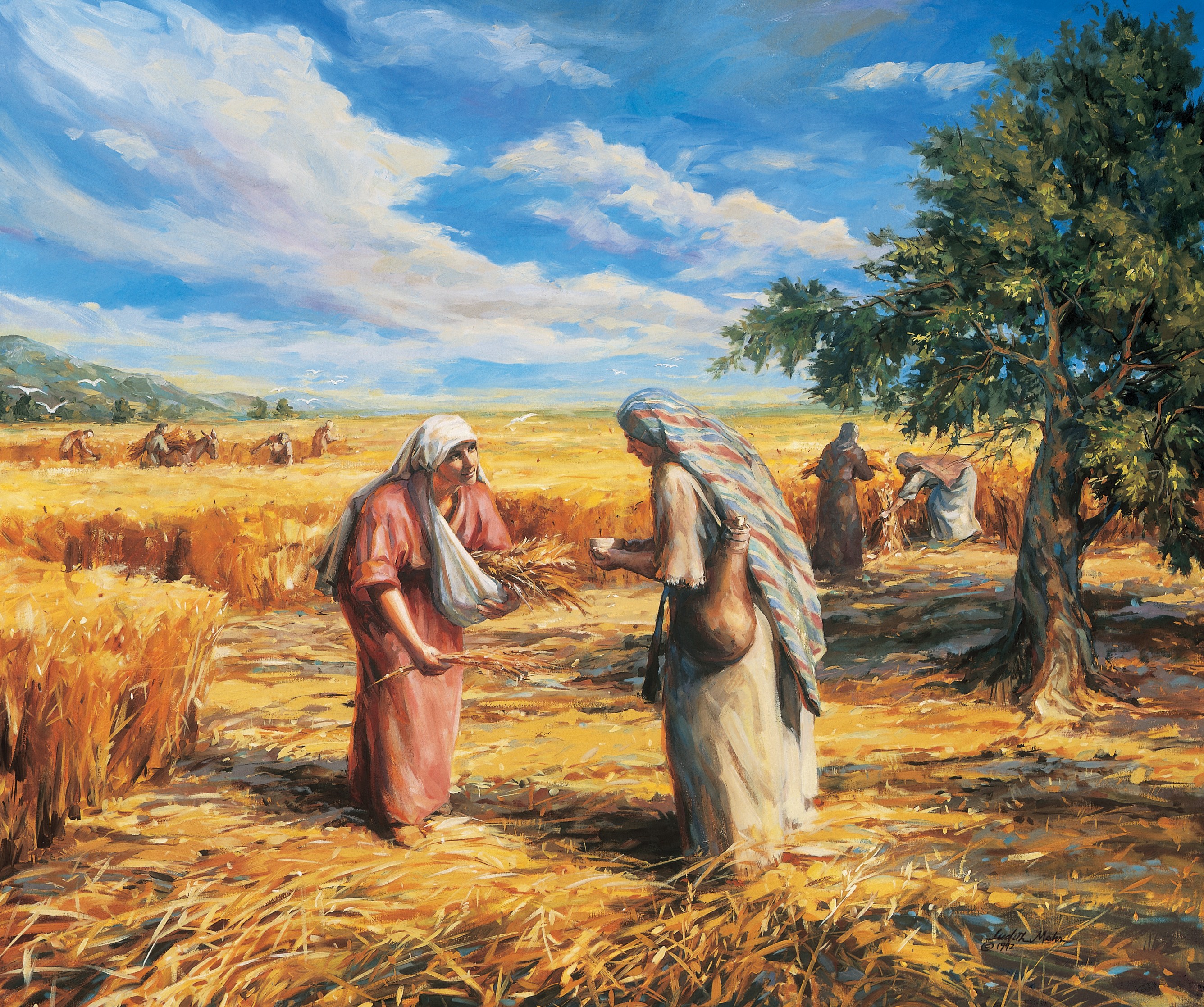


The story of Ruth and Boaz in the Book of Ruth is one of the most powerful biblical examples of compassion, generosity, and divine provision. When Boaz ensured that Ruth’s gleaning was abundant, he was not merely showing personal kindness. His actions demonstrated the practical application of God’s laws concerning care for the poor and revealed how God provides for vulnerable people through faithful individuals.
Set in Bethlehem during the period of the Book of Judges, the narrative shows how generosity and obedience to God’s commands can transform lives. Boaz’s deliberate efforts to ensure Ruth gathered plenty of grain highlight several important spiritual and social lessons about justice, provision, and compassion.
Understanding Gleaning in Ancient Israel
Before exploring the significance of Boaz’s actions, it is important to understand the biblical practice of gleaning.
What Was Gleaning?
Gleaning was a system established in the Mosaic Law that allowed the poor to collect leftover grain after harvesters finished their work. Landowners were commanded not to harvest every part of their fields so that the needy could gather food.
Biblical laws supporting this practice include:
-
Leviticus 19:9–10
-
Deuteronomy 24:19
These laws required landowners to:
-
Leave the edges of their fields unharvested
-
Allow the poor, widows, and foreigners to gather leftover crops
-
Avoid returning to pick up grain that had fallen
This system created a dignified form of social support. Instead of giving charity directly, the poor could work to gather food.
Ruth, as a widowed foreigner from Moab, fell into the category of people protected by these laws.
Boaz’s Extraordinary Generosity Toward Ruth
When Ruth began gleaning in Boaz’s field, he did far more than simply follow the law. His actions went beyond obligation and demonstrated remarkable kindness.
1. He Allowed Ruth to Glean Safely
Boaz immediately noticed Ruth and instructed his workers not to harm or harass her.
He said:
-
Stay in my field
-
Follow the women who are harvesting
-
Drink water from the workers’ supply
This was significant because women, especially foreign widows, were vulnerable to exploitation or harassment in agricultural fields.
By guaranteeing her safety, Boaz provided dignity and protection.
2. He Invited Ruth to Eat With the Harvesters
Boaz also invited Ruth to share a meal with the harvesters. This act was socially meaningful because:
-
Ruth was a foreigner
-
She was not a hired worker
-
She belonged to the lowest social class
Yet Boaz welcomed her as part of the community. This inclusion symbolized God’s acceptance of outsiders who seek refuge in Him.
3. He Ordered Workers to Leave Extra Grain
The most significant act of generosity occurred when Boaz instructed his workers:
-
Let her gather even among the sheaves
-
Pull out stalks of grain deliberately
-
Leave them for her to collect
This went far beyond the basic requirements of the law.
Instead of merely allowing Ruth to pick up leftovers, Boaz intentionally increased the amount she would gather.
The result was extraordinary. By the end of the day, Ruth collected an unusually large amount of barley—enough to provide food for herself and her mother-in-law Naomi.
How Boaz’s Actions Demonstrate God’s Provision
Boaz’s generosity illustrates how God often provides for people through human agents. Several themes emerge from this story.
1. God Provides Through Obedient People
Boaz became an instrument of God’s provision.
Although Ruth happened to glean in his field, the narrative suggests divine guidance. What appeared to be coincidence was actually God’s providential care.
Through Boaz:
-
Ruth received food
-
Naomi’s household was sustained
-
A future family line was established
This reminds readers that God frequently meets needs through the generosity and obedience of others.
2. God’s Care Extends to the Poor and Marginalized
Ruth’s situation represented the most vulnerable members of society:
-
She was a widow
-
She was poor
-
She was a foreigner
In ancient societies, these factors often led to severe hardship.
However, God’s law created structures that protected such individuals. Boaz’s obedience to those laws demonstrated God’s heart for justice and compassion.
This story reveals that caring for the poor is not optional in biblical faith—it is a central expression of righteousness.
3. God Rewards Faithfulness and Kindness
Boaz did not help Ruth only because she was poor. He also recognized her loyalty and faithfulness.
He acknowledged that Ruth had:
-
Left her homeland
-
Cared for Naomi
-
Trusted in the God of Israel
Boaz prayed that God would reward her for seeking refuge under His wings.
Ironically, Boaz himself became the answer to that prayer.
4. God’s Provision Often Exceeds Expectations
Ruth expected only to gather small leftovers. Instead, she returned home with a large quantity of grain.
This abundance demonstrates that God’s provision is often greater than what people anticipate.
Later in the story, this provision expands even further:
-
Boaz marries Ruth
-
They have a son named Obed
-
Obed becomes the grandfather of King David
Thus, Ruth becomes part of the lineage of the Messiah.
What began as simple generosity ultimately shaped biblical history.
Spiritual Lessons From Boaz and Ruth
The story contains powerful lessons for believers and communities today.
Key Takeaways
-
Compassion reflects God’s character.
-
Generosity can change someone’s entire future.
-
God often works through ordinary acts of kindness.
-
Faithfulness in small actions leads to larger blessings.
-
Caring for the poor is a core biblical value.
Boaz’s actions demonstrate that true righteousness involves not only following the law but embodying its spirit of love and mercy.
Conclusion
The significance of Boaz ensuring that Ruth’s gleaning was abundant lies in the way it reveals God’s compassionate provision for the poor. By deliberately instructing his workers to leave extra grain, Boaz demonstrated generosity that exceeded legal requirements and reflected the heart of God.
Through this act, Ruth and Naomi received immediate provision, safety, and dignity. More importantly, the story shows that God’s care for the vulnerable often operates through the faithful actions of others.
Ultimately, the narrative illustrates that kindness, obedience, and compassion can become instruments of divine blessing—not only meeting immediate needs but also shaping the course of history.
Comments are closed.