What Does the Story of Ruth Teach Us About God’s Concern for Individuals, Especially the Marginalized and Oppressed?
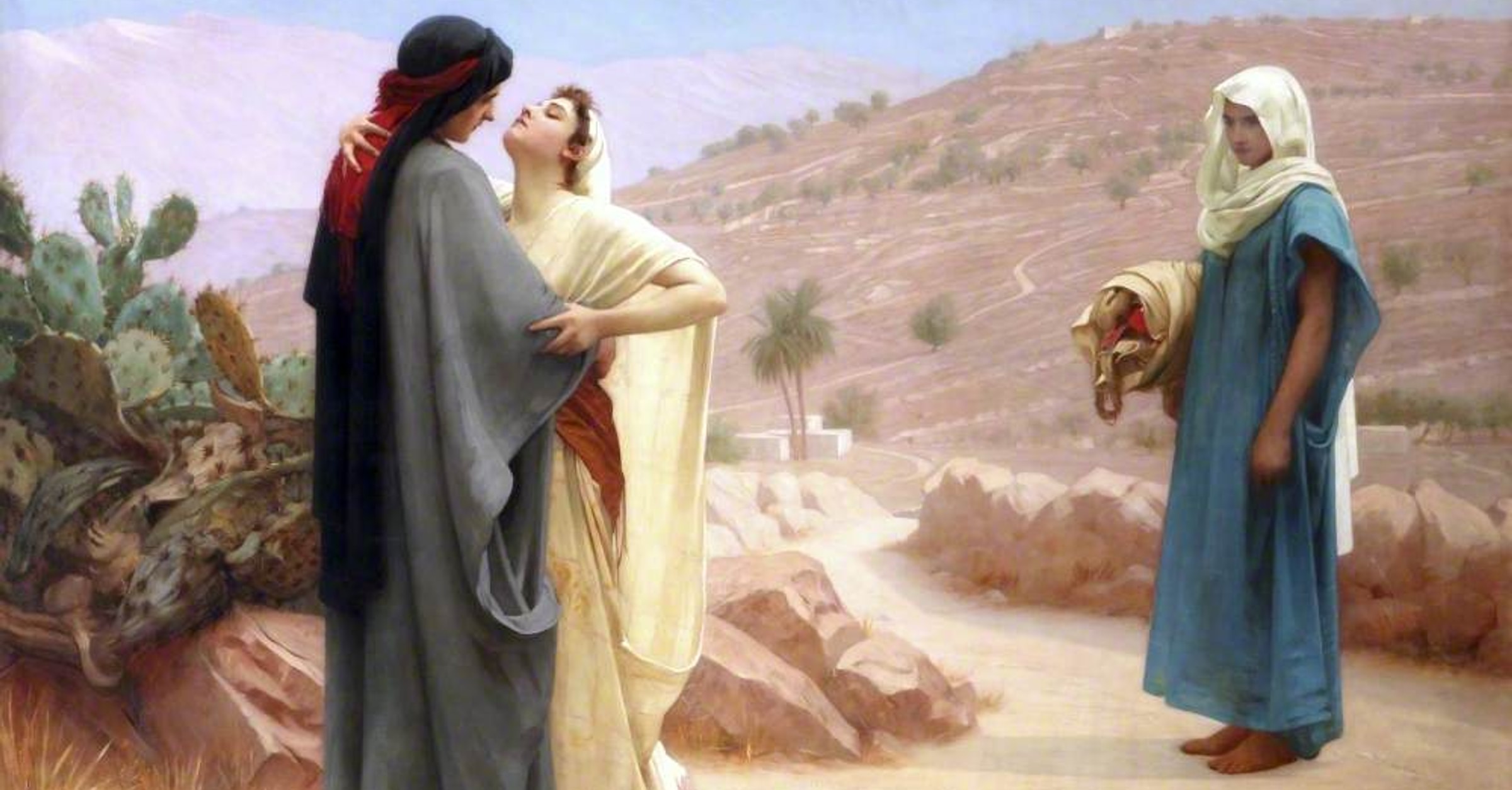


The Book of Ruth is one of the most touching narratives in the Bible. Set during the chaotic period described in the Book of Judges, the story focuses not on national wars or political leaders but on the personal struggles of ordinary people. Through the experiences of Ruth, Naomi, and Boaz, the narrative reveals that God deeply cares for individuals—especially those who are vulnerable, marginalized, or oppressed.
The story emphasizes divine compassion, social justice, and faithful love. It shows that God works through human kindness and ordinary circumstances to bring hope and restoration to those who are suffering.
1. God Cares for the Marginalized
One of the most powerful themes in the story is God’s concern for marginalized people.
In the narrative, both Ruth and Naomi belong to vulnerable social groups:
-
Widows, who had little financial security in ancient society
-
Foreigners, who often faced discrimination
-
Poor individuals, who depended on others for survival
Ruth was a Moabite woman living in Israel. Foreigners from Moab were often viewed with suspicion by Israelites. Despite this social barrier, God honored Ruth’s faith and loyalty.
Key Lessons
-
God does not value people based on nationality, status, or wealth.
-
Even outsiders can play a significant role in God’s plan.
-
God’s love extends beyond social boundaries.
The inclusion of Ruth in Israel’s story demonstrates that God’s concern reaches beyond ethnic and cultural divisions.
2. God Works Through Personal Relationships
Unlike many biblical books that focus on miracles or national events, the Book of Ruth highlights how God works through everyday relationships.
Ruth’s commitment to Naomi is one of the most famous expressions of loyalty in Scripture:
“Where you go I will go, and where you stay I will stay.”
This statement reflects a profound level of love and faithfulness.
Examples of God’s Care Through People
-
Ruth supports Naomi, refusing to abandon her.
-
Boaz protects Ruth, ensuring she is treated with dignity.
-
The community of Bethlehem eventually celebrates Naomi’s restoration.
These relationships demonstrate that God often shows compassion through the kindness and actions of others.
3. God Provides for the Poor
Another key lesson is God’s provision for those in need.
When Ruth arrives in Bethlehem, she gathers leftover grain in the fields to survive. This practice was called gleaning, a system established in Israelite law to provide food for the poor.
Biblical Social Justice
The gleaning law required landowners to:
-
Leave some crops behind for the poor
-
Allow foreigners to collect leftover grain
-
Protect vulnerable workers
When Ruth gleans in the field of Boaz, he goes beyond the basic requirement. He instructs his workers to treat her kindly and even leave extra grain for her.
This action reflects God’s concern for fairness and compassion toward the oppressed.
4. God Honors Faithfulness
Ruth’s story also highlights the importance of faithfulness and moral character.
Despite facing poverty and uncertainty, Ruth demonstrates:
-
Loyalty to Naomi
-
Courage in leaving her homeland
-
Faith in the God of Israel
-
Hard work and perseverance
Her faithfulness does not go unnoticed. Boaz praises her character and eventually marries her, providing security and stability.
The Reward of Faithfulness
Through this marriage, Ruth becomes part of a remarkable lineage. She becomes the great-grandmother of King David and an ancestor of Jesus Christ.
This outcome shows that God can elevate the overlooked and marginalized to positions of great significance.
5. God Brings Restoration After Suffering
At the beginning of the story, Naomi experiences deep tragedy. She loses her husband and both sons, leaving her emotionally and economically devastated.
She even asks others to call her “Mara,” meaning bitter, because she feels that life has turned against her.
However, by the end of the story, everything changes.
Naomi’s Restoration
-
Ruth marries Boaz
-
A child named Obed is born
-
Naomi’s hope and joy are restored
The transformation from loss to restoration illustrates that God has not forgotten those who suffer.
The story reminds readers that hardship does not have the final word—God’s compassion and redemption ultimately prevail.
6. God’s Plan Includes Ordinary People
Another important message is that God’s purposes often unfold through ordinary individuals rather than famous leaders.
Ruth was:
-
A widow
-
A foreigner
-
Poor and socially vulnerable
Yet she became part of one of the most important family lines in biblical history.
Meaning of This Theme
This teaches that:
-
God notices individuals who seem insignificant to society
-
Small acts of faithfulness can influence history
-
Anyone can be used in God’s greater plan
The story emphasizes that divine care is personal and inclusive.
7. A Model of Compassionate Community
The Book of Ruth also presents an ideal picture of how society should treat vulnerable people.
The community around Ruth eventually supports and celebrates her.
Boaz serves as a model of righteous leadership because he:
-
Protects Ruth from harassment
-
Provides generously for her needs
-
Acts with integrity in marriage customs
His actions reflect the biblical principle that the strong should care for the weak.
Conclusion
The story of Ruth offers a powerful message about God’s concern for individuals, especially those who are marginalized or oppressed. Through the lives of Ruth, Naomi, and Boaz, the narrative demonstrates that God’s compassion extends to the poor, foreigners, widows, and all who experience hardship.
The book shows that divine care often appears through everyday acts of kindness, loyalty, and justice. Ruth’s journey from poverty to honor illustrates that God values faithfulness and can transform lives in unexpected ways.
Ultimately, the story reminds readers that no one is forgotten in God’s plan. Even those on the margins of society can become central figures in the unfolding story of redemption.
What symbolic role does the act of “uncovering Boaz’s feet” (Ruth 3:7) play in the larger narrative?
Comments are closed.