Redemption in Ruth: What It Reveals About God’s Plan for Salvation Throughout History ✨
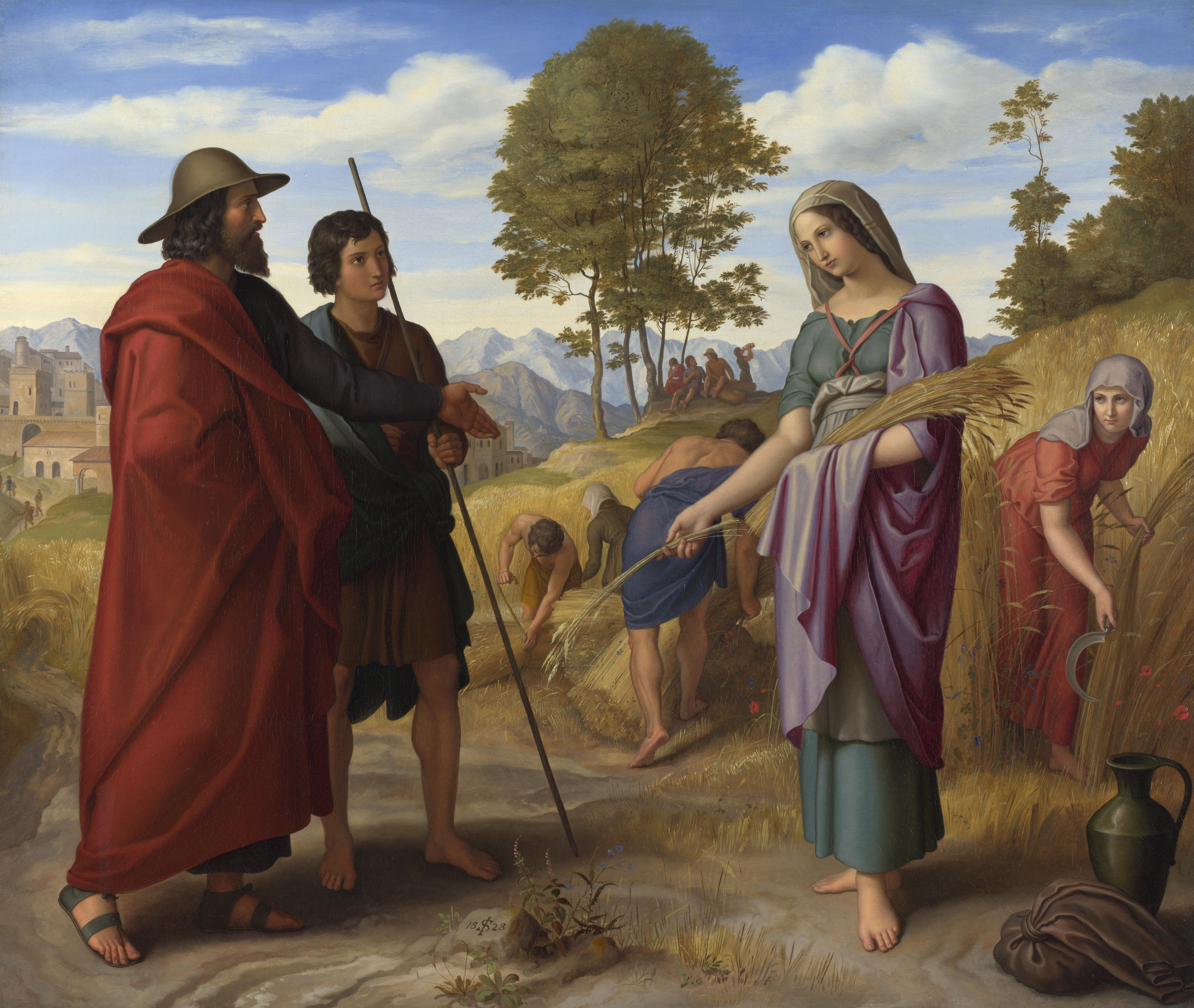


The theme of redemption is central to the story found in the Book of Ruth. Though it is a short book in the Bible, its message carries deep theological meaning about God’s plan of salvation throughout history. The story of Ruth, Naomi, and Boaz illustrates how God works through ordinary events and faithful people to accomplish a much larger plan.
Ultimately, the redemption shown in Ruth foreshadows the greater redemption offered to humanity through Jesus Christ. The narrative demonstrates that God’s salvation plan was unfolding long before the New Testament era.
Understanding Redemption in the Book of Ruth
In biblical terms, redemption means being rescued, restored, or bought back from loss or hardship. In ancient Israel, the concept was often connected with the “kinsman-redeemer”—a relative who had the legal responsibility to help family members in distress.
In the story:
-
Naomi loses her husband and sons and returns to Bethlehem in poverty.
-
Ruth, her Moabite daughter-in-law, loyally accompanies her.
-
Boaz, a relative of Naomi’s deceased husband, acts as a kinsman-redeemer by marrying Ruth and restoring the family line.
This act of redemption provides security, inheritance, and hope for Naomi and Ruth. But the significance of the story goes far beyond their personal circumstances.
The Role of the Kinsman-Redeemer
Boaz’s actions demonstrate the responsibilities of a biblical redeemer.
Key Responsibilities of the Redeemer
-
Providing protection and provision for vulnerable relatives
-
Restoring lost inheritance or land
-
Continuing the family line through marriage
-
Preserving the dignity of the family
When Boaz chooses to redeem Ruth, he willingly takes on these responsibilities even though it involves personal sacrifice.
Symbolic Meaning
Boaz becomes a symbol of God’s redemptive character:
-
He shows kindness to a foreigner.
-
He restores a broken family.
-
He transforms loss into blessing.
This reflects how God works throughout history to redeem people from brokenness and restore them to His purpose.
Redemption Extends Beyond Israel
One remarkable feature of the story is that Ruth is not an Israelite. She is a Moabite, an outsider to the covenant community.
Her inclusion shows an important truth about God’s plan:
-
God’s redemption is not limited to one nation or ethnicity.
-
Faith and loyalty to God open the door to belonging in His people.
Ruth’s famous declaration of commitment to Naomi expresses this faith:
“Your people will be my people and your God my God.” (Ruth 1:16)
Through Ruth, the Bible reveals that God’s salvation plan includes people from every background.
Ruth in the Lineage of the Messiah
One of the most significant elements of the story is its conclusion. Ruth and Boaz have a son named Obed, who becomes the grandfather of King David.
This means Ruth becomes part of the royal lineage of Israel.
Generations later, the genealogy in the New Testament shows that this family line leads to Jesus Christ.
Why This Matters
This connection reveals several important truths:
-
God works through ordinary families to accomplish His purposes.
-
Redemption in Ruth points forward to the ultimate Redeemer.
-
The Messiah’s lineage includes people from unexpected backgrounds.
The story therefore acts as a bridge between Old Testament history and the New Testament message of salvation.
How Ruth Foreshadows Christ’s Redemption
Many scholars see Boaz as a type or foreshadowing of Christ. The parallels highlight God’s consistent plan of salvation.
Similarities Between Boaz and Christ
1. Willing Redeemers
-
Boaz willingly redeems Ruth.
-
Jesus willingly sacrifices Himself to redeem humanity.
2. Restoring the Broken
-
Boaz restores Naomi’s family line.
-
Christ restores humanity’s relationship with God.
3. Paying the Cost
-
Boaz takes on financial and social responsibility.
-
Christ pays the ultimate price through His life and sacrifice.
These parallels show that the redemption seen in Ruth is a preview of the greater redemption offered through Christ.
God’s Sovereignty in Everyday Events
Another key lesson from Ruth is that God’s plan unfolds through ordinary life circumstances.
The story includes simple events:
-
migration during famine
-
gleaning in fields
-
family relationships
-
marriage customs
Yet these everyday moments lead to major outcomes in biblical history.
This Teaches Us
-
God works behind the scenes in daily life.
-
Faithfulness in small decisions matters.
-
God’s purposes often unfold gradually over time.
Even seemingly ordinary actions can contribute to God’s larger plan of redemption.
Lessons About Salvation from Ruth
The theme of redemption in the Book of Ruth provides several important theological insights.
1. Salvation Comes Through Grace
Ruth receives kindness and protection she did not expect. This reflects the grace God shows humanity.
2. Redemption Restores Identity
Ruth goes from a vulnerable widow to a respected member of Israel’s community.
3. God Welcomes Outsiders
Ruth’s story demonstrates that salvation is open to all who trust in God.
4. God Works Through Generations
The events in Ruth eventually lead to the birth of Jesus centuries later.
Why the Story of Ruth Still Matters Today
The message of redemption in the Book of Ruth continues to inspire readers because it reveals God’s character and purpose.
It reminds believers that:
-
God sees human suffering and provides restoration.
-
Redemption can transform loss into hope.
-
God’s salvation plan spans all of history.
From a small family story in ancient Bethlehem to the coming of Christ, the theme of redemption connects the entire biblical narrative.
Conclusion
The idea of redemption in the Book of Ruth is far more than a family rescue story. Through the actions of Boaz and the faithfulness of Ruth, the narrative reveals God’s unfolding plan of salvation for humanity.
The story shows that God redeems people from hardship, welcomes outsiders into His covenant, and prepares the way for the ultimate Redeemer. What begins as a personal act of kindness eventually becomes part of the lineage leading to Jesus Christ, demonstrating that God’s redemptive plan spans generations and reaches the whole world.