Harvest Season Symbolism in the Book of Ruth


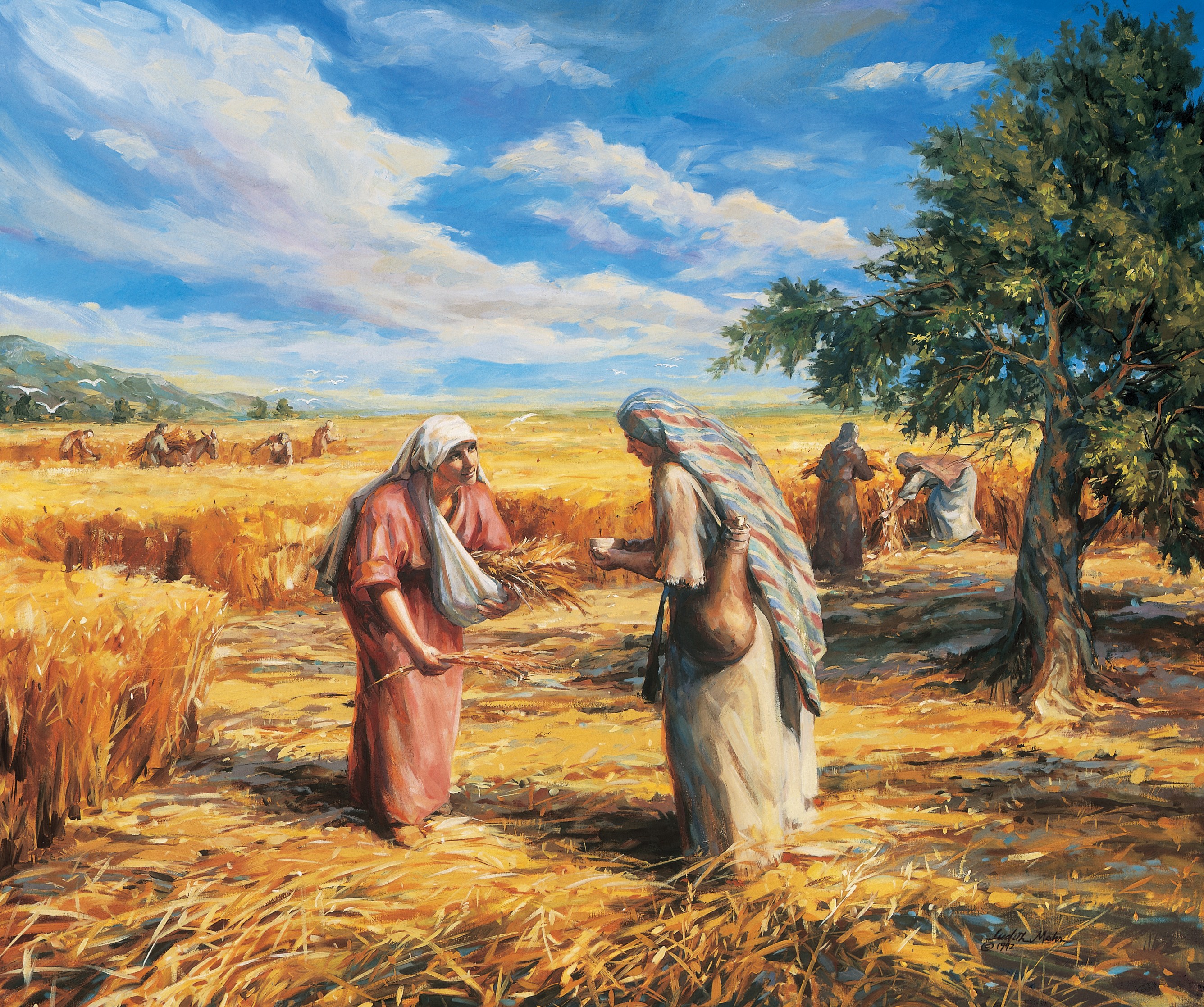
The harvest season plays a central role in the narrative of the Book of Ruth. More than simply a background setting, the harvest functions as both a practical reality of agricultural life and a deep spiritual symbol of God’s provision, restoration, and redemption.
The story begins as Naomi and Ruth return to Bethlehem at the beginning of the barley harvest. This seasonal detail is not accidental—it signals the start of hope after a period of loss and famine. As the narrative unfolds, the harvest season becomes a powerful metaphor for renewal, divine blessing, and the gathering of a new future.
1. Practical Meaning of the Harvest Season
Agricultural and Economic Importance
In ancient Israel, harvest time was one of the most significant periods of the year. Crops such as barley and wheat were harvested in late spring and early summer. These crops determined the survival and economic stability of families and communities.
Within the story, the harvest season reflects:
-
Food security for the community
-
Economic opportunity for workers and the poor
-
Seasonal rhythms of rural life
For Naomi and Ruth, who are widows with no financial support, the harvest season provides a practical means of survival.
Gleaning: Provision for the Poor
A key practical aspect of the harvest is the ancient law of gleaning, which allowed the poor to collect leftover grain from fields after the harvesters passed through.
In the fields of Boaz, Ruth gathers leftover barley to provide food for herself and Naomi. This reflects the social justice laws in the Torah that instructed landowners not to harvest every grain so that the poor and foreigners could gather what remained.
Practical outcomes of gleaning included:
-
Food for widows and the poor
-
Opportunity for dignified work rather than begging
-
A demonstration of community compassion
Through gleaning, Ruth gains access to sustenance and eventually meets Boaz, which becomes the turning point of the narrative.
2. Harvest as a Symbol of Restoration
Beyond its agricultural function, the harvest season symbolizes restoration after loss.
Naomi’s Journey from Famine to Abundance
At the beginning of the story, Naomi’s life is defined by tragedy:
-
A devastating famine
-
The death of her husband
-
The loss of her two sons
When Naomi returns to Bethlehem, she describes herself as empty. However, the harvest season marks the beginning of God’s restoration in her life.
The movement from famine to harvest mirrors Naomi’s transformation:
| Beginning | End |
|---|---|
| Famine | Abundant harvest |
| Loss of family | Birth of a new descendant |
| Emptiness | Fulfillment and joy |
Thus, the harvest becomes a symbol of God turning scarcity into abundance.
3. Harvest as a Symbol of Divine Providence
The story repeatedly highlights the idea that what appears to be coincidence is actually divine guidance.
When Ruth goes to glean, the text says she “happened” to come to the field of Boaz. Yet this moment initiates a chain of events leading to marriage and the continuation of Naomi’s family line.
The harvest season therefore represents:
-
God’s hidden guidance in everyday events
-
Opportunities created through ordinary work
-
Blessings that emerge through faithful action
Rather than miracles or dramatic interventions, God works through the simple routine of agricultural life.
4. Harvest and the Theme of Faithfulness
Harvest also reflects the character and commitment of Ruth.
Ruth’s Dedication
Throughout the harvest season, Ruth works tirelessly in the fields.
Her actions demonstrate:
-
Loyalty to Naomi
-
Humility in labor
-
Persistence despite hardship
Boaz notices these qualities and praises her devotion. Ruth’s work in the harvest fields shows that faithfulness in small tasks can lead to great blessings.
5. Harvest as a Symbol of Redemption
The harvest also connects directly to the theme of redemption in the story.
Boaz eventually becomes Ruth’s kinsman-redeemer, marrying her and restoring Naomi’s family line. The harvest season provides the setting for their relationship to develop.
This redemption has far-reaching implications:
-
Ruth and Boaz have a son named Obed
-
Obed becomes the grandfather of King David
-
This lineage ultimately leads to the ancestry of Jesus Christ according to the New Testament.
Thus, the harvest symbolizes the gathering of a future that extends far beyond the immediate story.
6. Spiritual Lessons from the Harvest Imagery
The harvest imagery carries several deeper spiritual messages.
God Provides Through Community
The system of gleaning shows that God’s provision often works through human kindness and social responsibility.
Faithfulness Produces Spiritual Fruit
Ruth’s dedication and humility demonstrate how faithful actions can lead to unexpected blessings.
Redemption Emerges from Ordinary Life
The most important events in the story take place not in palaces or battlefields, but in simple agricultural fields.
7. Harvest as a Metaphor for Spiritual Fruitfulness
Many biblical readers interpret the harvest as a broader metaphor for spiritual growth.
Just as fields produce grain after a season of planting and care, human lives also produce fruit through:
-
Faithfulness
-
Patience
-
Trust in God
The story suggests that God brings a harvest of blessing after seasons of hardship.
Conclusion
In the Book of Ruth, the harvest season carries both practical and spiritual meaning. Practically, it provides a way for Ruth and Naomi to survive through gleaning and agricultural labor. Spiritually, it symbolizes restoration, divine providence, faithfulness, and redemption.
What begins as a simple act of gathering grain ultimately becomes the setting for one of the most profound stories of hope in the Bible. The harvest fields represent the place where God quietly transforms loss into blessing and where ordinary work becomes part of a much greater divine plan.
Comments are closed.