God’s Compassion for the Marginalized: Lessons from the Law of Gleaning (Leviticus 19:9–10)
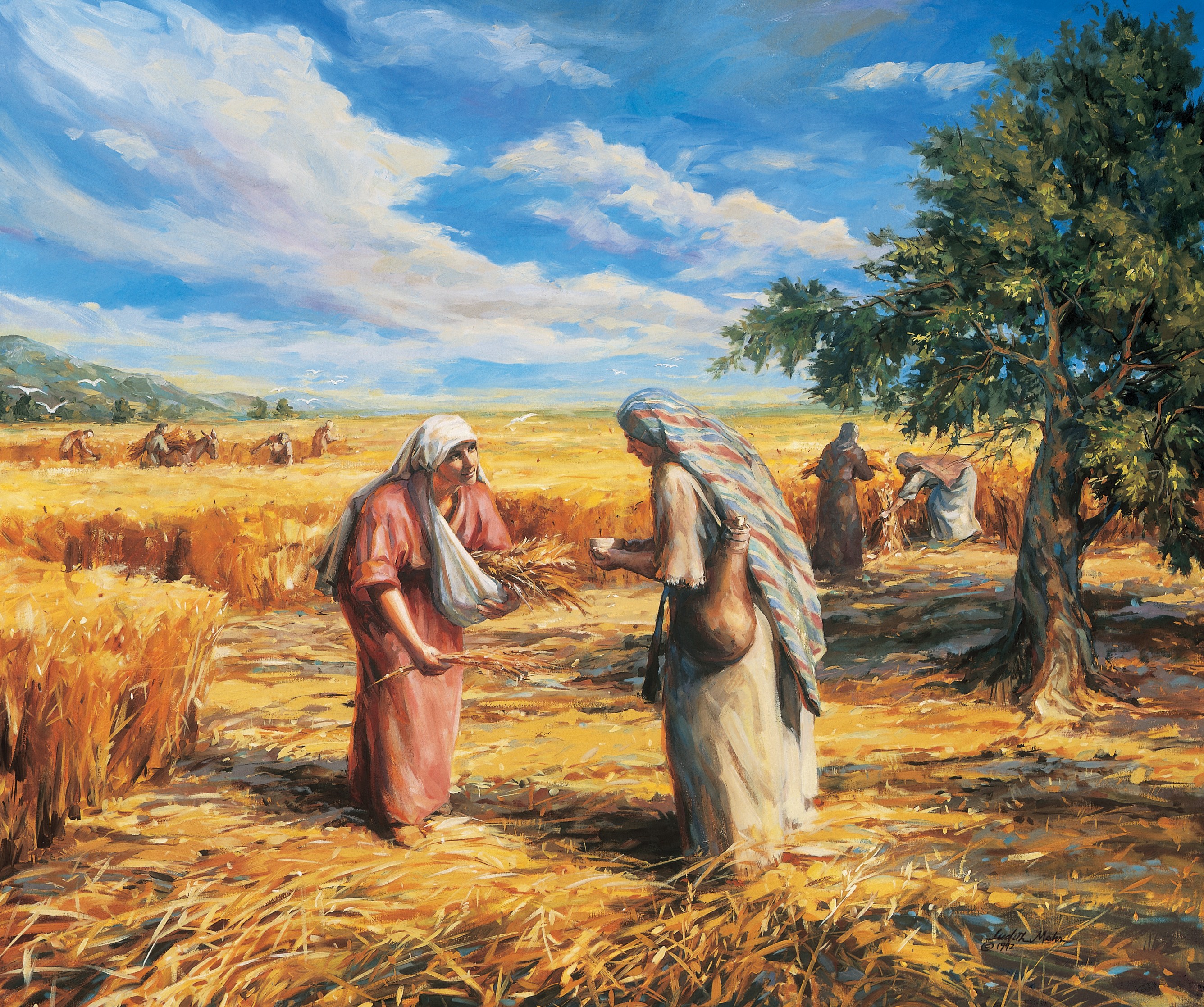
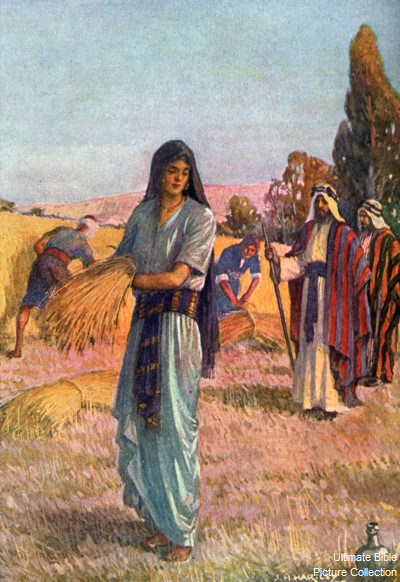

The concept of gleaning in the Bible is one of the most powerful examples of God’s concern for the poor, the stranger, and the vulnerable in society. In Book of Leviticus 19:9–10, God commanded the people of Israel not to harvest every part of their fields. Instead, they were instructed to leave the edges of their fields and the leftover crops for the poor and foreigners.
This law reveals a profound biblical principle: God cares deeply about social justice and the dignity of the marginalized. Rather than relying solely on charity, God established a system that allowed vulnerable people to work and provide for themselves. By examining the law of gleaning and its application—especially in the story of Book of Ruth—we gain insight into God’s heart for compassion, justice, and community responsibility.
Understanding the Concept of Gleaning
Gleaning refers to the practice of gathering leftover crops from fields after the harvesters have finished their work.
According to the command in Leviticus 19:9–10:
-
Farmers were not allowed to harvest the edges of their fields.
-
They were not permitted to pick up fallen grain during harvest.
-
Vineyards were not to be stripped bare of grapes.
-
The leftover produce was to remain for the poor and the foreigner.
These instructions established a system where those in need could gather food from the land.
Key Groups Protected by the Gleaning Law
The Bible repeatedly mentions three vulnerable groups:
-
The poor
-
Foreigners (strangers)
-
Widows and orphans
These individuals often lacked land, income, or family protection. The gleaning law ensured they had access to food and survival.
God’s Heart for the Poor and Marginalized
The gleaning law reflects several important aspects of God’s character and priorities.
1. God Establishes Justice, Not Just Charity
One remarkable aspect of gleaning is that it was not merely voluntary charity. Instead, it was a legal requirement from God.
Farmers were commanded:
-
Not to harvest everything they could.
-
Not to maximize profits at the expense of the poor.
-
To leave resources intentionally for those in need.
This shows that God designed social systems that promote justice.
Rather than treating the poor as a burden, God integrated their needs directly into economic life.
2. God Values Human Dignity
The gleaning system allowed the poor to work for their food rather than depend entirely on handouts.
This preserved:
-
Personal dignity
-
Self-worth
-
Community participation
People who gleaned gathered the grain themselves, which meant they were active participants in providing for their needs.
The story of Ruth demonstrates this beautifully. In the Book of Ruth, Ruth—a poor widow and foreigner—gleaned in the fields of Boaz to support herself and her mother-in-law Naomi.
Her story highlights how God’s laws created opportunities for survival and restoration.
3. God Reminds People That Resources Ultimately Belong to Him
Another key message of the gleaning law is that the land ultimately belongs to God.
Farmers were stewards, not absolute owners.
By commanding landowners to leave part of their harvest, God reminded them that:
-
Wealth is a gift from God.
-
Prosperity should benefit the entire community.
-
Ownership comes with responsibility.
This principle challenges selfishness and encourages generosity.
4. God Protects Vulnerable Groups
In ancient societies, many people had no social safety nets. Widows, foreigners, and the poor were particularly vulnerable.
The gleaning laws functioned as a built-in protection system.
They ensured:
-
Access to food
-
Inclusion within society
-
Protection against exploitation
God repeatedly emphasized care for these groups throughout the Old Testament.
Other passages reinforce the same concern:
-
Book of Deuteronomy 24:19–21
-
Book of Exodus 22:21–22
-
Book of Isaiah 1:17
Together these scriptures show that justice for the marginalized is central to God’s moral vision.
The Story of Ruth: A Living Example of Gleaning
The law of gleaning becomes a vivid reality in the story of Ruth.
In the Book of Ruth:
-
Ruth is a widow and foreigner from Moab.
-
She goes to the fields to glean leftover grain.
-
She finds favor in the fields of Boaz, a wealthy landowner.
Boaz not only follows the gleaning law but goes beyond it:
-
He allows Ruth to gather among the sheaves.
-
He instructs workers to leave extra grain for her.
-
He ensures her safety.
This story illustrates how obedience to God’s law can transform lives. Ruth eventually becomes part of the lineage of King David and, ultimately, the genealogy of Jesus.
Practical Lessons for Modern Society
Although modern agricultural systems are different, the principles behind gleaning remain deeply relevant.
Lessons We Can Apply Today
1. Society Should Protect the Vulnerable
Communities should create systems that care for:
-
The poor
-
Immigrants
-
Widows
-
Orphans
2. Wealth Carries Responsibility
Those with resources have a moral duty to support those in need.
3. Compassion Should Be Built into Systems
Instead of relying only on occasional generosity, societies should develop structures that ensure fairness and opportunity.
4. Helping Others Honors God
The gleaning laws remind believers that caring for others is a fundamental part of faith.
Conclusion
The concept of gleaning in Leviticus 19:9–10 reveals a profound truth about God’s character. God is not indifferent to suffering or inequality. Instead, He actively designed laws to protect the marginalized and ensure that no one in society would be forgotten.
By commanding farmers to leave part of their harvest for the poor and foreigners, God demonstrated that justice, compassion, and responsibility must be woven into everyday life.
The practice of gleaning shows that God values:
-
Justice over exploitation
-
Dignity over dependence
-
Community over individual greed
Ultimately, these laws teach that a faithful society reflects God’s heart by caring for those most in need.
Comments are closed.