God’s Redeeming Character: Restoring Individuals, Families, and Nations


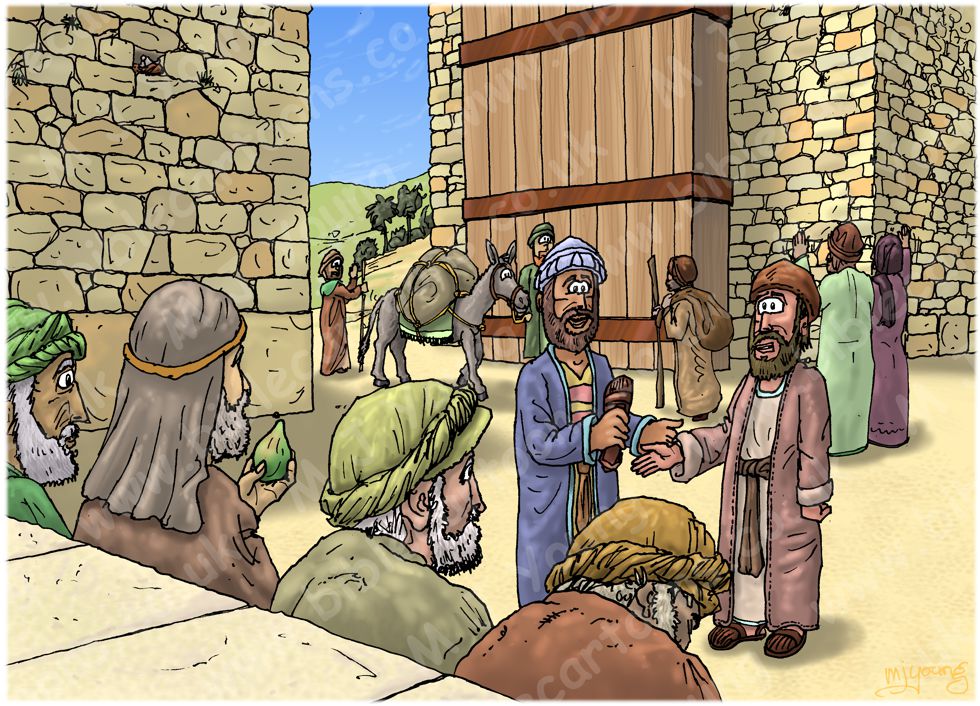
The Book of Ruth reveals one of the most beautiful portraits of God’s character in the Bible. Through the lives of Ruth, Naomi, and Boaz, the narrative demonstrates that God’s redemption extends beyond individuals. His saving work can restore families, communities, and even entire nations.
Although God rarely speaks directly in the story, His presence is evident through providence, faithful relationships, and acts of kindness. The events ultimately lead to the birth of King David, showing how God’s redemption impacts history on a national scale.
This powerful story reveals that God’s character is compassionate, inclusive, and purposeful in bringing restoration to people and societies.
1. God as the Redeemer of Broken Lives
The story begins with tragedy. Naomi loses her husband and both sons while living in a foreign land. She returns to Bethlehem feeling empty and hopeless.
What This Reveals About God
Even in the midst of suffering, God is quietly working to restore lives.
Key lessons about God’s character:
-
God sees human suffering and does not ignore it
-
He works behind the scenes to bring hope out of tragedy
-
His redemption is often gradual rather than immediate
-
God uses ordinary people to accomplish extraordinary restoration
Ruth’s decision to remain loyal to Naomi becomes the turning point in the story. Her famous declaration of commitment shows extraordinary faith and devotion. Through this relationship, God begins rebuilding Naomi’s broken life.
This demonstrates that God’s redemption often starts with individual faithfulness and compassion.
2. God Redeems Families, Not Just Individuals
One of the central themes in the Book of Ruth is family restoration.
In ancient Israel, losing a husband and sons meant economic ruin and social vulnerability. Naomi’s family line appeared to be permanently destroyed. However, God provided a solution through the cultural role of the “kinsman-redeemer.”
Boaz fulfills this role by:
-
Protecting Ruth
-
Providing food and security
-
Redeeming Naomi’s land
-
Marrying Ruth to preserve the family line
What This Shows About God
God’s redemption is relational and generational.
He restores:
-
Family inheritance
-
Economic stability
-
Social dignity
-
Future generations
When Ruth and Boaz marry, Naomi’s despair turns into joy. The women of Bethlehem celebrate the birth of Obed, recognizing that Naomi’s family has been restored.
This shows that God cares deeply about the restoration of households and family legacies, not just individuals.
3. God Welcomes Outsiders Into His Redemptive Plan
One of the most remarkable aspects of the story is Ruth’s identity. She was a Moabite, a foreigner from a nation often in conflict with Israel.
Yet God includes her fully in His redemptive plan.
What This Reveals About God’s Character
God’s redemption crosses cultural and national boundaries.
Key insights include:
-
God values faith over nationality
-
Outsiders can become part of His covenant community
-
Redemption is available to all who trust Him
Ruth’s loyalty and faith demonstrate that God’s kingdom is not limited by ethnicity or background. Her story shows that God’s grace welcomes those who seek Him sincerely.
This inclusion foreshadows the broader biblical message that God’s salvation is meant for all nations.
4. God Redeems Communities Through Justice and Kindness
Another way God’s character is revealed is through the community structures in Bethlehem.
Boaz follows the law concerning land redemption and inheritance. However, he goes beyond legal duty by acting with generosity and compassion.
Boaz’s Actions Reflect God’s Character
-
He protects Ruth from harm
-
He provides extra grain for her and Naomi
-
He ensures the legal redemption of the family property
-
He treats Ruth with dignity and respect
These actions demonstrate that God’s redemption often works through human obedience and moral integrity.
The story emphasizes that communities become healthier when people practice:
-
Justice
-
Compassion
-
Generosity
-
Responsibility
Through these values, God restores not only individuals but also the social fabric of society.
5. God’s Redemption Extends to Nations
The final verses of the Book of Ruth reveal the story’s larger significance.
Ruth and Boaz have a son named Obed, who becomes the grandfather of King David.
This genealogy shows that a simple family story actually shapes the future of an entire nation.
National Impact of God’s Redemption
Through this family line:
-
Israel receives its greatest king
-
The nation experiences political and spiritual leadership
-
The story becomes part of the larger biblical narrative of salvation
God’s redemptive plan moves from:
-
Individual faithfulness (Ruth)
-
Family restoration (Naomi’s household)
-
Community blessing (Bethlehem)
-
National leadership (King David)
This progression shows that God’s work often begins in small personal acts but grows into world-changing outcomes.
6. Theological Message: God Is a Universal Redeemer
The Book of Ruth ultimately reveals profound truths about God’s nature.
Key Aspects of God’s Character
1. Compassionate
God cares deeply about human suffering and works to restore hope.
2. Faithful
He remains committed to His promises across generations.
3. Inclusive
God welcomes outsiders who demonstrate faith and loyalty.
4. Providential
He orchestrates circumstances to bring about redemption.
5. Restorative
God’s goal is not merely survival but full restoration.
These characteristics show that God’s redemption is comprehensive and transformative.
7. Lessons for Modern Readers
The message of the Book of Ruth remains deeply relevant today.
Practical Applications
-
Small acts of faithfulness can lead to great outcomes
-
Loyalty and kindness have the power to transform lives
-
God can redeem even the most painful situations
-
Families and communities can experience restoration through faith
The story encourages believers to trust that God is always working behind the scenes—even in ordinary life.
Conclusion
The Book of Ruth beautifully reveals God’s ability to redeem individuals, families, and nations. Through the loyalty of Ruth, the faithfulness of Boaz, and the restoration of Naomi, we see a God who specializes in transforming tragedy into hope.
What begins as a story of loss ends as a story of legacy. Naomi’s empty life becomes full again, Ruth the outsider becomes an ancestor of kings, and a restored family becomes part of the national history of Israel.
Ultimately, the narrative demonstrates that God’s redemptive power is far greater than human brokenness. His character is defined by compassion, faithfulness, and a commitment to restore not just one life, but entire generations.
Comments are closed.