What Does the Book of Ruth Teach About the Importance of Community and Support During Times of Grief and Loss?

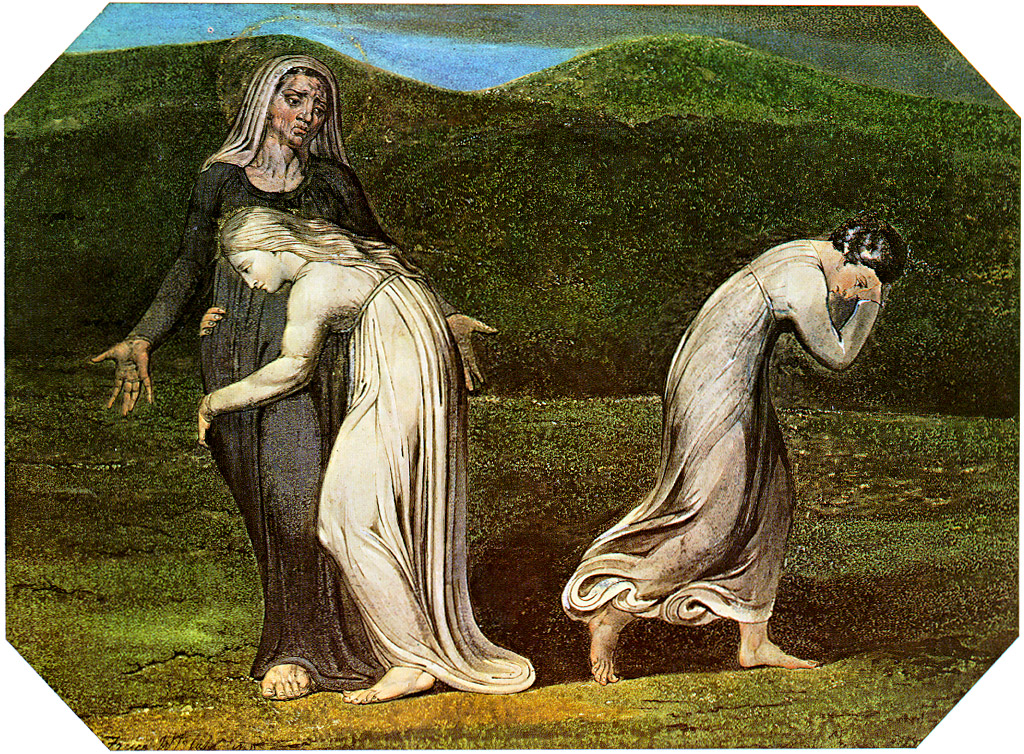
The Book of Ruth is one of the most touching narratives in the Bible. Set during the period of the Book of Judges, it tells the story of loyalty, compassion, and the power of supportive relationships during difficult times. Through the experiences of Ruth, Naomi, and Boaz, the narrative illustrates how community and mutual support can transform grief into hope.
Loss and suffering are central themes in the story, yet the book ultimately reveals that healing often comes through caring relationships and communal responsibility. The Book of Ruth teaches that even in the darkest moments, people can find strength through loyalty, kindness, and the support of others.
1. The Context of Grief in the Story
The story begins with tragedy. Naomi and her husband leave Bethlehem due to famine and settle in Moab. While there, Naomi’s husband and both of her sons die, leaving her and her daughters-in-law widowed.
Key elements of Naomi’s grief
-
Loss of her husband and sons
-
Financial insecurity and social vulnerability
-
Feelings of bitterness and emptiness
-
Fear about returning to Bethlehem without support
Naomi even expresses her despair by saying she left Bethlehem “full” but returned “empty.” This moment highlights the emotional weight of loss and how grief can affect a person’s identity and outlook on life.
The Book of Ruth realistically portrays how devastating loss can be, especially in ancient societies where family and community structures were essential for survival.
2. Ruth’s Loyalty as a Model of Support
One of the most famous moments in the book occurs when Ruth refuses to abandon Naomi. Despite Naomi urging her daughters-in-law to return to their own families, Ruth remains committed.
Ruth declares:
“Where you go I will go, and where you stay I will stay. Your people will be my people and your God my God.”
This statement demonstrates extraordinary loyalty and compassion.
Lessons from Ruth’s commitment
-
True support often requires sacrifice
-
Loyalty strengthens people during hardship
-
Compassion can cross cultural boundaries
-
Relationships can become sources of healing
Ruth was originally a Moabite, yet she chose to remain with Naomi. Her decision reflects the power of empathy and the importance of standing by loved ones during times of suffering.
3. The Role of Community in Providing Care
When Ruth and Naomi return to Bethlehem, the community begins to play a significant role in their survival. The social system allowed the poor to gather leftover grain during harvest, a practice known as gleaning.
Ruth goes to the fields to collect grain and provide food for Naomi.
This practice reveals how communities can support vulnerable individuals through shared responsibility.
Community support illustrated in the story
-
Agricultural laws allowing the poor to glean food
-
Social awareness of widows’ needs
-
Hospitality toward outsiders
-
Shared concern for vulnerable members of society
These practices demonstrate that grief and poverty were not meant to be faced alone.
4. Boaz as an Example of Compassionate Leadership
Another important figure in the story is Boaz, a wealthy landowner who shows kindness toward Ruth and Naomi. Instead of ignoring their struggles, he ensures Ruth’s safety and allows her to gather grain generously from his fields.
Boaz represents responsible leadership and compassion within the community.
Ways Boaz supports Ruth and Naomi
-
Protects Ruth from harassment in the fields
-
Instructs workers to leave extra grain for her
-
Provides food and security
-
Ultimately marries Ruth to restore Naomi’s family line
Boaz’s actions show that individuals in positions of influence can play a vital role in supporting those experiencing loss and hardship.
5. The Healing Power of Community Relationships
As the story progresses, the combined support of Ruth, Boaz, and the Bethlehem community gradually restores Naomi’s hope.
What began as a story of grief ends with renewal and joy.
Signs of Naomi’s restoration
-
Ruth’s marriage to Boaz brings stability
-
The birth of a child restores Naomi’s family legacy
-
The community celebrates Naomi’s renewed happiness
-
Naomi regains a sense of purpose and belonging
The story demonstrates that emotional healing often happens within a supportive network of relationships.
6. A Message of Hope Beyond Loss
The Book of Ruth ultimately teaches that grief does not have to lead to isolation or despair. Instead, healing can come through compassion, loyalty, and community solidarity.
The story shows that ordinary acts of kindness—working in fields, offering protection, providing food—can change lives.
Core messages of the book
-
Community support helps people endure hardship
-
Loyalty strengthens relationships during grief
-
Compassion can restore hope and dignity
-
Social responsibility protects vulnerable individuals
The narrative also highlights how small acts of care can produce lasting impact. Ruth’s loyalty and Boaz’s generosity ultimately place their family in the lineage of King David, giving the story lasting significance in biblical history.
7. Modern Relevance of the Book of Ruth
Although the Book of Ruth is an ancient story, its lessons remain relevant today.
In modern societies, individuals facing grief, loss, or hardship still rely heavily on supportive communities. The book encourages readers to practice empathy and stand alongside those who are struggling.
Practical lessons for today
-
Support grieving friends and family members
-
Build strong community networks
-
Show kindness to strangers and outsiders
-
Use resources to help vulnerable individuals
The Book of Ruth reminds us that human connection is one of the most powerful tools for overcoming loss.
Conclusion
The Book of Ruth offers a profound message about the importance of community and support during times of grief. Through the loyalty of Ruth, the compassion of Boaz, and the resilience of Naomi, the story demonstrates how relationships can transform suffering into restoration.
Rather than facing tragedy alone, the characters rely on love, kindness, and communal responsibility. Their experiences show that grief can be softened when people support one another.
Ultimately, the Book of Ruth teaches that in times of loss, community is not just helpful—it is essential for healing, hope, and renewal.
Comments are closed.