Ruth the Moabite: Race, Ethnicity, and Inclusion in the Family of God
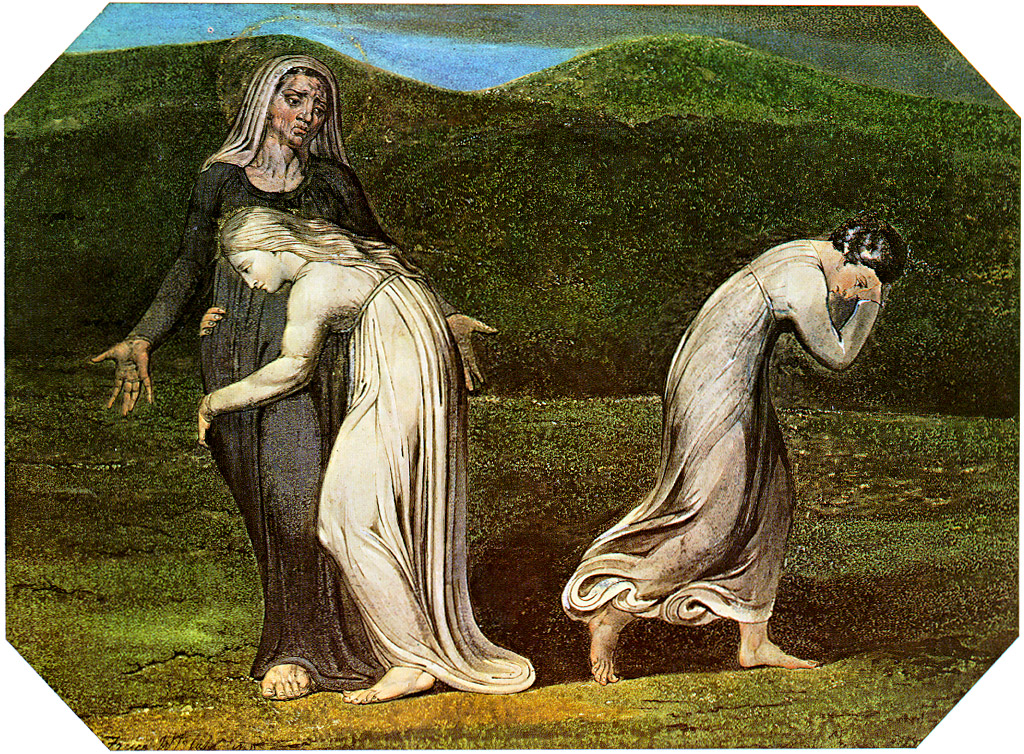
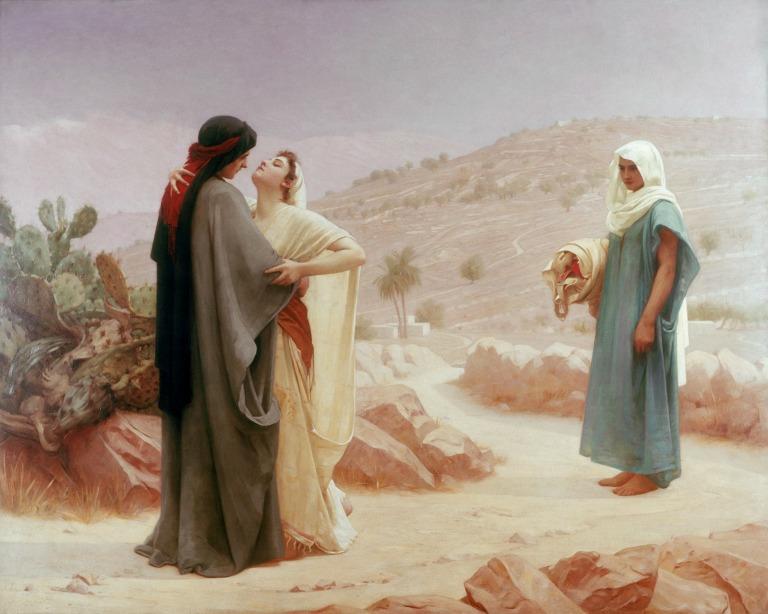
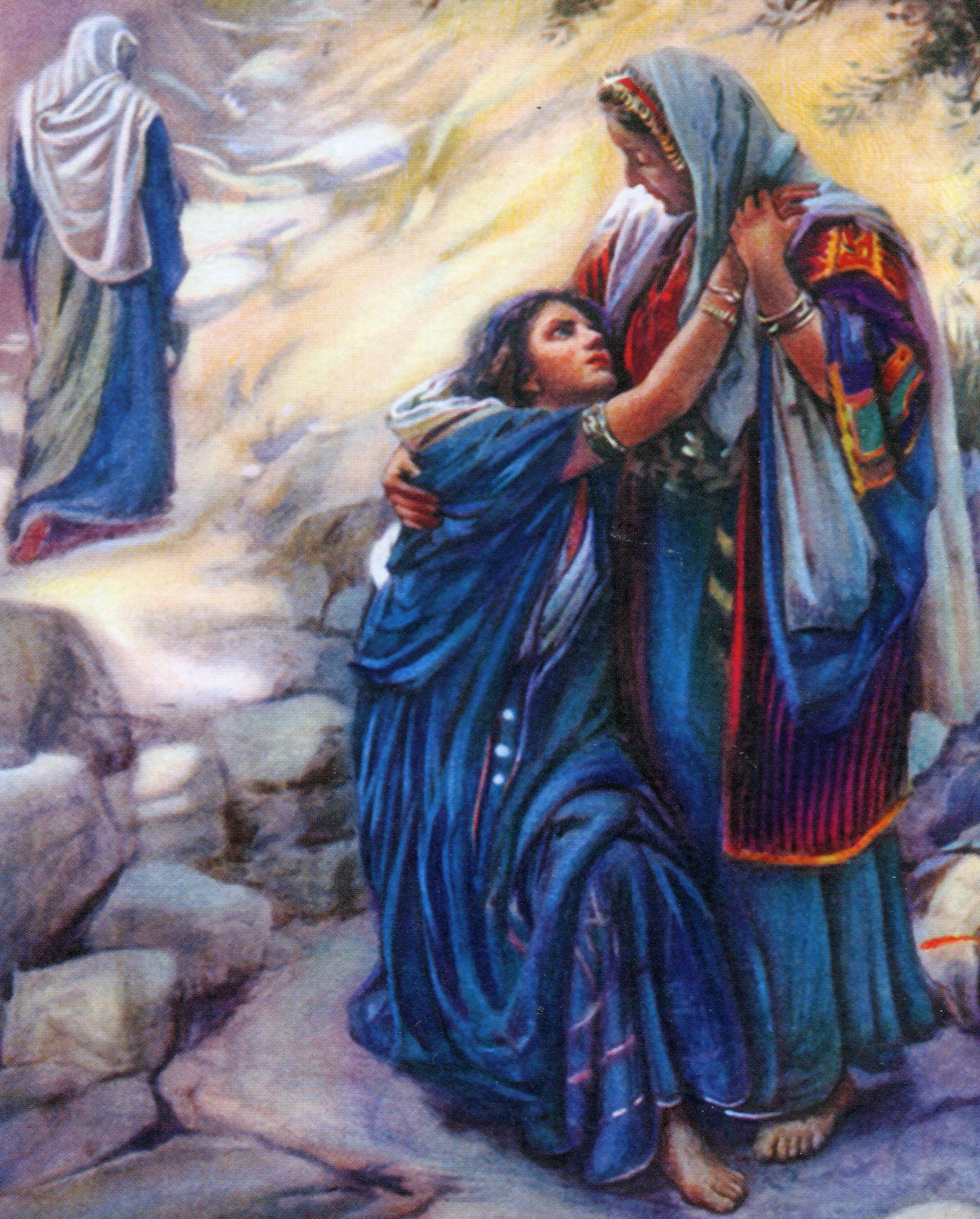
The story of Ruth, recorded in the Book of Ruth, provides one of the Bible’s most profound explorations of race, ethnicity, and inclusion within the family of God. Ruth’s identity as a Moabite woman—a foreigner from a nation historically viewed with suspicion by Israel—creates tension within the narrative. Yet her story ultimately reveals a powerful theological message: God’s covenant community is not limited by ethnicity but expanded through faith, loyalty, and covenant commitment.
This narrative offers deep insights into how the biblical tradition challenges ethnic barriers while affirming the universality of God’s redemptive plan.
1. Historical Background: Moabites and Israel
Understanding Ruth’s significance requires recognizing the historical relationship between Moab and Israel.
Tension Between the Nations
-
Moabites descended from Lot according to biblical tradition.
-
Their relationship with Israel was often hostile and politically tense.
-
Mosaic law even restricted Moabites from entering the assembly of the Lord for generations.
Because of these tensions, identifying Ruth as “the Moabite” immediately signals that she is an outsider entering Israelite society.
Social and Religious Barriers
Ruth’s identity created several barriers:
-
Ethnic difference – She belonged to another nation.
-
Religious difference – Moabites worshiped different gods.
-
Gender vulnerability – As a widow, she had limited social protection.
These barriers emphasize the extraordinary nature of Ruth’s acceptance into Israel’s community.
2. Ruth’s Radical Commitment
The turning point of the narrative occurs when Ruth pledges loyalty to Naomi.
Her famous declaration in Ruth 1:16 states:
“Your people shall be my people, and your God my God.”
This moment represents more than personal loyalty—it signifies a complete transformation of identity.
Key Aspects of Ruth’s Commitment
-
Cultural adoption – She joins Naomi’s people.
-
Spiritual conversion – She embraces the God of Israel.
-
Covenantal loyalty – She demonstrates “hesed,” or steadfast love.
Ruth’s decision defies the expectations of her time and demonstrates that faith and covenant loyalty transcend ethnic boundaries.
3. Ethnicity in the Narrative: “Ruth the Moabite”
Interestingly, the text repeatedly refers to her as “Ruth the Moabite.”
This description serves several narrative purposes:
1. Emphasizing Her Outsider Status
The repeated label reminds readers that Ruth begins the story as a foreigner living among God’s people.
2. Highlighting God’s Inclusive Grace
By continually reminding readers of her foreign identity, the narrative magnifies the significance of her acceptance.
3. Preserving Ethnic Identity
The story does not erase Ruth’s background. Instead, her identity is acknowledged while she is welcomed into the community.
Scholars note that this reflects a form of cultural integration in which ethnic identity remains visible while belonging is fully granted.
4. Inclusion Through Covenant Faithfulness
Ruth’s acceptance demonstrates a key biblical theme: membership in God’s family is defined by faith and covenant loyalty rather than ethnicity alone.
Evidence in the Narrative
-
Ruth receives protection from Boaz.
-
She participates in Israel’s agricultural and social life.
-
She ultimately marries Boaz and becomes integrated into the community.
Through this process, Ruth moves from outsider to insider within Israel’s covenant community.
5. Ruth in the Lineage of King David
One of the most remarkable aspects of Ruth’s story is her place in the genealogy of King David.
Ruth and Boaz have a son named Obed, who becomes the grandfather of David.
This inclusion carries enormous theological significance:
-
A Moabite woman becomes part of Israel’s royal lineage.
-
The outsider becomes foundational to Israel’s national story.
The message is clear: God’s purposes often include those who appear outside traditional boundaries.
6. Foreshadowing the Global Scope of Salvation
Ruth’s story also anticipates a broader biblical theme: God’s salvation extends to all nations.
Later biblical traditions reinforce this message:
-
Ruth appears in the genealogy of Jesus Christ in Gospel of Matthew.
-
Her story shows that God’s redemptive plan includes both Jews and Gentiles.
Thus, Ruth becomes a powerful symbol of cross-cultural inclusion in God’s kingdom.
7. Theological Lessons from Ruth’s Story
The narrative offers several important theological insights.
1. God’s Grace Crosses Ethnic Boundaries
Ruth’s inclusion shows that God’s covenant extends beyond national or racial boundaries.
2. Faith Matters More Than Heritage
The story emphasizes character, loyalty, and faithfulness rather than ancestry.
3. Outsiders Can Become Central to God’s Plan
Ruth moves from marginalized widow to ancestor of Israel’s greatest king.
4. Community Requires Hospitality
The acceptance shown by Boaz and the people of Bethlehem demonstrates the importance of welcoming the stranger.
Conclusion
Ruth’s status as a Moabite woman reveals a profound truth about the biblical understanding of community: God’s family is defined not by race or ethnicity but by faith, loyalty, and covenant commitment.
Her story challenges social boundaries and presents a powerful vision of inclusion. In a world often divided by ethnicity and nationality, the Book of Ruth proclaims that God’s redemptive plan welcomes those who respond with faith and devotion.
By moving from outsider to ancestor of kings, Ruth embodies the transformative power of divine grace—demonstrating that God’s family is ultimately open to all who seek Him.