What Does Nabal’s Sudden Death Reveal About Divine Judgment?
Introduction
The story of Nabal in First Book of Samuel chapter 25 presents a powerful lesson about divine justice. Nabal was a wealthy but arrogant man whose harsh treatment of David nearly caused a violent conflict. However, through the wise intervention of Abigail, David refrained from taking revenge.
Shortly afterward, Nabal suddenly died. The biblical text states that “the Lord struck Nabal, and he died” (1 Samuel 25:38). This event raises an important question: What does Nabal’s sudden death reveal about divine judgment?
Nabal’s death illustrates several profound truths about God’s justice, sovereignty, patience, and protection of His servants.
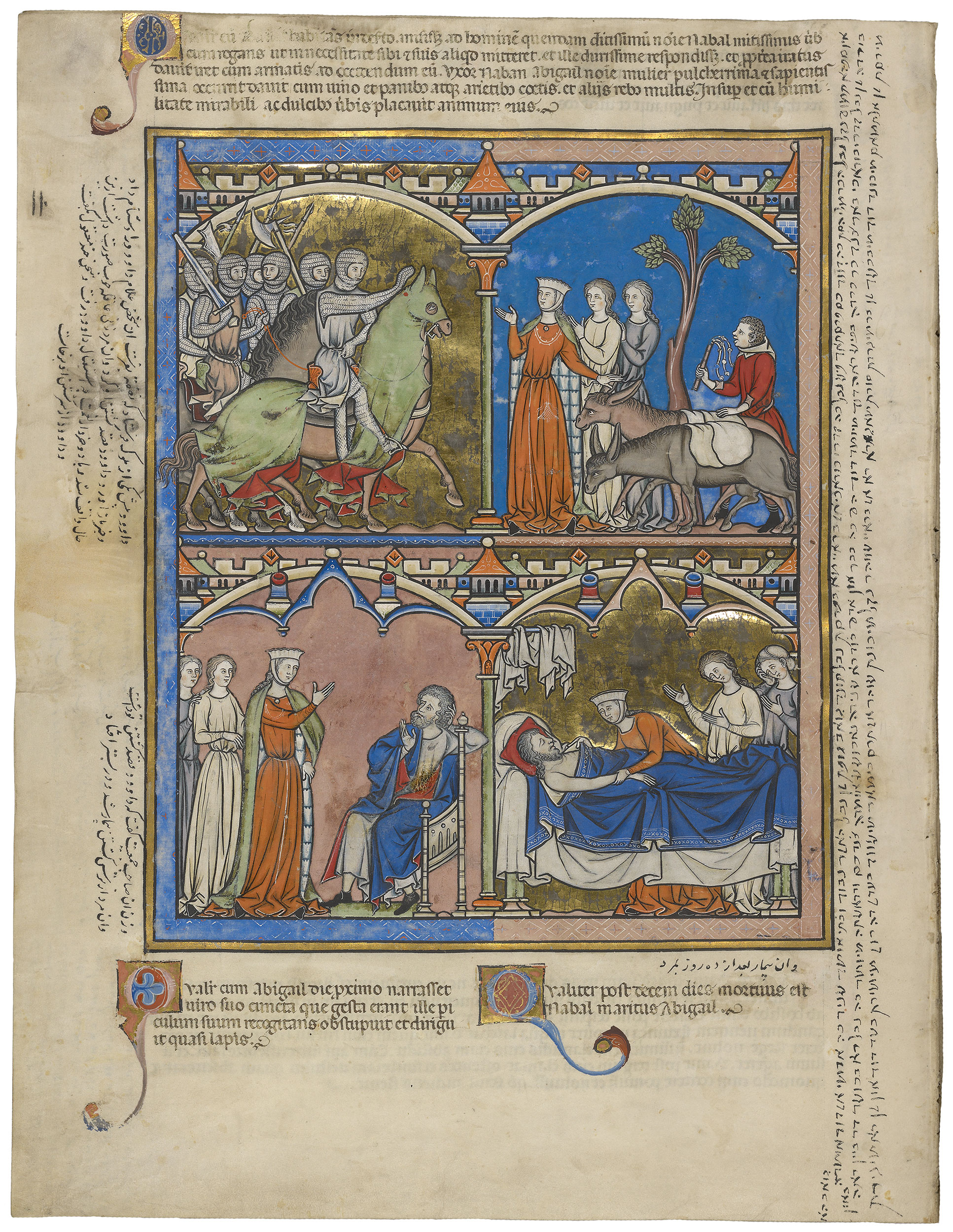
Biblical Scene Illustration


The Context of Nabal’s Story
Before understanding the significance of Nabal’s death, it is important to examine the events that led to it.
Nabal’s Arrogance and Refusal
Nabal was extremely wealthy, owning thousands of sheep and goats. During sheep-shearing season, David sent messengers requesting food and assistance because his men had protected Nabal’s shepherds in the wilderness.
However, Nabal responded with:
-
Insults
-
Disrespect
-
Ingratitude
He refused to provide any help and mocked David.
This response was shocking because hospitality and gratitude were highly valued in ancient Israel. Nabal’s behavior was considered both morally wrong and socially offensive.
David’s Anger and Abigail’s Intervention
David became furious and prepared to attack Nabal’s household.
At this critical moment, Abigail acted wisely. She quickly gathered food and met David on the road, humbly asking him to forgive Nabal’s foolishness.
Her intervention accomplished two important things:
-
It prevented bloodshed.
-
It kept David from committing personal revenge.
David recognized that Abigail’s actions were guided by God and turned away from violence.
Nabal’s Sudden Death
After Abigail returned home, Nabal was holding a lavish feast and was heavily drunk. The next morning, Abigail told him what had happened.
The Bible describes his reaction:
-
“His heart died within him.”
-
“He became like a stone.”
About ten days later, Nabal died because the Lord struck him.
This dramatic moment reveals several insights about divine judgment.
1. Divine Judgment Demonstrates God’s Justice
Nabal’s death shows that God ultimately judges wrongdoing.
Nabal’s sins included:
-
Arrogance and pride
-
Refusing hospitality
-
Insulting God’s chosen servant
-
Acting selfishly despite great wealth
Although Nabal seemed powerful and secure, his behavior was morally corrupt. His sudden death illustrates that no one escapes divine justice.
The Bible consistently teaches that wickedness eventually brings consequences.
2. God Protects His Servants
Another key lesson is that God defends those who trust Him.
David could have taken revenge and destroyed Nabal’s household. Instead, he chose restraint after Abigail’s wise appeal.
By allowing God to handle the situation, David avoided:
-
Blood guilt
-
Moral compromise
-
Personal vengeance
When Nabal later died, David recognized that God had defended him. Scripture records David saying that the Lord had “returned Nabal’s wickedness upon his own head.”
This teaches an important spiritual principle:
When believers resist revenge, God Himself brings justice.
3. Divine Judgment Often Comes Unexpectedly
Nabal’s death was sudden and unexpected.
Just hours earlier he had been:
-
Celebrating
-
Drinking
-
Acting like a king at a feast
Yet within days his life ended.
This contrast highlights a biblical warning: human life is fragile, and judgment can come without warning.
The story reminds readers that:
-
Wealth cannot prevent accountability.
-
Power cannot shield someone from God’s authority.
-
Foolish behavior eventually brings consequences.
4. God Shows Patience Before Judgment
Although Nabal died, the judgment was not immediate.
The narrative notes a ten-day delay between his collapse and death.
This period suggests several possibilities:
-
Time for reflection
-
Opportunity for repentance
-
Demonstration of God’s patience
Throughout the Bible, God often delays judgment, giving people time to change. However, persistent wrongdoing eventually results in justice.
5. Divine Judgment Upholds Moral Order
Nabal’s story reinforces an important biblical truth: God maintains moral order in the world.
Several contrasts appear in this chapter:
| Character | Behavior | Outcome |
|---|---|---|
| Nabal | Pride and selfishness | Judgment |
| Abigail | Wisdom and humility | Blessing |
| David | Restraint and trust in God | Vindication |
This contrast shows that righteousness and humility ultimately lead to blessing, while arrogance leads to downfall.
6. God’s Judgment Prevented Greater Violence
Another important aspect of Nabal’s death is that it prevented a tragedy.
If Abigail had not intervened, David would have attacked Nabal’s household.
This would have resulted in:
-
Innocent deaths
-
David’s moral guilt
-
Future regret for Israel’s future king
Instead, God resolved the situation without bloodshed. The story demonstrates that divine justice can bring resolution in ways humans cannot.
Spiritual Lessons From Nabal’s Death
Nabal’s sudden death offers several timeless lessons:
1. Pride Leads to Destruction
Arrogance and selfishness eventually bring consequences.
2. God Sees Every Action
Even when injustice seems unnoticed, God observes and judges.
3. Trust God Instead of Seeking Revenge
David’s restraint allowed God to handle the situation.
4. Wisdom Can Prevent Disaster
Abigail’s courage and humility saved many lives.
5. Divine Justice Is Certain
Even if delayed, God’s judgment will ultimately prevail.
Conclusion
The sudden death of Nabal is a powerful example of divine judgment in the Bible. It reveals that God is not indifferent to human behavior. Instead, He actively upholds justice, protects His servants, and holds individuals accountable for their actions.
Nabal’s story warns against arrogance, selfishness, and disrespect toward others. At the same time, it encourages believers to trust God rather than seeking revenge.
Through this dramatic event, the narrative teaches a timeless truth: God’s justice may be delayed, but it is never absent.
Comments are closed.