Cultural and Religious Practices in the Book of Ruth: Kinsman-Redeemer and Levirate Marriage
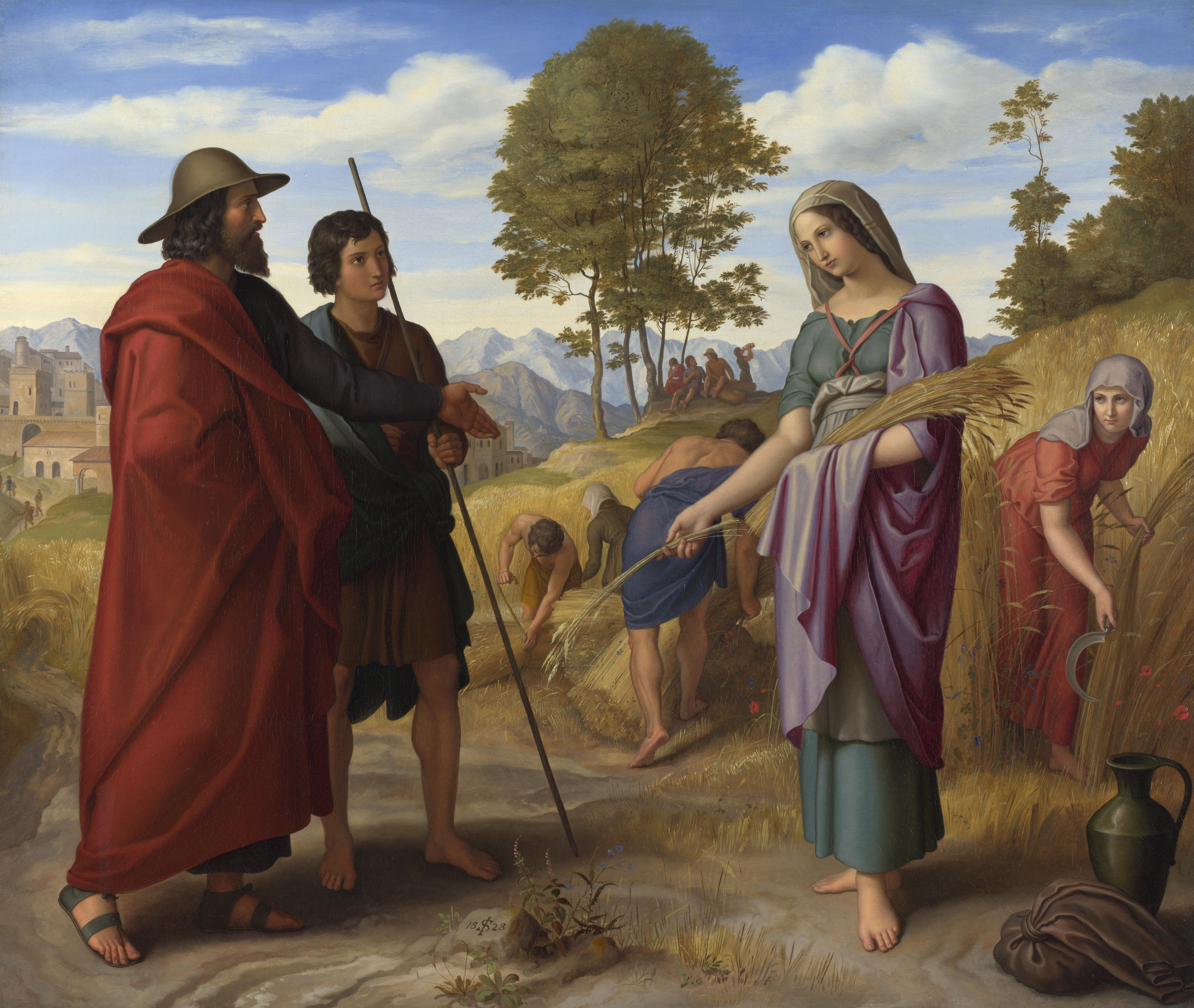


The Book of Ruth is one of the most culturally rich narratives in the Old Testament. Set during the period of the Book of Judges, it reveals the everyday customs, social responsibilities, and religious values of ancient Israel. The story centers on Ruth, her mother-in-law Naomi, and the wealthy landowner Boaz in Bethlehem.
Through their interactions, the book demonstrates several important cultural and religious practices of ancient Israel, including the kinsman-redeemer system, levirate-style marriage obligations, gleaning rights for the poor, and legal customs for property redemption. These practices reveal how faith, law, and social responsibility were integrated into daily life.
1. The Cultural Setting of the Book of Ruth
The narrative takes place during a time when Israel lacked centralized leadership, and communities relied heavily on family structures and traditional laws for stability.
Key characteristics of this cultural environment:
-
Strong emphasis on family loyalty and kinship responsibility
-
Agricultural society dependent on harvest seasons
-
Religious law influencing social and economic decisions
-
Protection for widows, foreigners, and the poor
The story begins when Naomi returns from Moab after losing her husband and sons. Her daughter-in-law Ruth chooses to stay with her, declaring loyalty and faith in Naomi’s God. This act sets the stage for the unfolding of Israelite customs that would eventually restore Naomi’s family line.
2. The Kinsman-Redeemer Custom
One of the most significant practices illustrated in the Book of Ruth is the role of the kinsman-redeemer, known in Hebrew as goel.
What is a Kinsman-Redeemer?
A kinsman-redeemer was a close male relative responsible for protecting the rights and property of family members who had fallen into hardship.
Responsibilities of a Kinsman-Redeemer
The redeemer could:
-
Redeem family land that had been sold due to poverty
-
Marry a widow to preserve the family line
-
Protect vulnerable relatives
-
Restore family inheritance
In the story, Boaz becomes the kinsman-redeemer for Naomi’s family. Because Naomi’s husband had died, their land and family legacy were at risk. Boaz steps forward to redeem the land and marry Ruth, ensuring that the family name continues.
Legal Process of Redemption
The redemption process occurred publicly at the city gate, where elders served as witnesses.
A unique cultural practice confirmed the transaction:
-
A man removed his sandal and gave it to the other party
-
This symbolic act finalized the agreement
This legal ritual shows how formal and structured Israelite social customs were, even in everyday matters.
3. The Role of Levirate-Style Marriage
Another important custom illustrated in the Book of Ruth is similar to levirate marriage, a practice described in Israelite law.
What is Levirate Marriage?
Levirate marriage required a man to marry the widow of his deceased brother if the brother died without children. The purpose was to:
-
Preserve the deceased man’s family line
-
Maintain inheritance within the family
-
Protect widows from poverty
Although Boaz was not Ruth’s brother-in-law, the story applies the principle of levirate responsibility through the broader kinsman-redeemer system.
Ruth’s Proposal
Following Naomi’s advice, Ruth approaches Boaz at the threshing floor and asks him to “spread his garment” over her, symbolically requesting protection and marriage. This gesture reflected:
-
Submission to cultural law
-
Respect for family lineage
-
Faith in God’s provision
Boaz responds honorably, acknowledging his responsibility but also noting that another relative had a closer legal claim. When that relative declines the duty, Boaz becomes the redeemer.
4. Gleaning: Provision for the Poor
The story also demonstrates the practice of gleaning, an agricultural law designed to care for the poor and foreigners.
What is Gleaning?
Gleaning allowed vulnerable individuals to collect leftover grain from harvested fields.
According to Israelite law:
-
Farmers could not harvest the corners of fields
-
Fallen grain had to be left for the poor
-
Foreigners and widows had the right to gather these leftovers
Ruth participates in this system when she gathers grain from Boaz’s fields. Boaz even instructs his workers to leave extra grain for her, demonstrating kindness and obedience to religious law.
Social Significance of Gleaning
This practice reflects several values:
-
Compassion for the poor
-
Social justice rooted in religious law
-
Community responsibility toward vulnerable groups
5. Hospitality and Protection of Foreigners
Another cultural practice highlighted in the narrative is the protection of foreigners. Ruth was a Moabite, meaning she was not originally part of Israel.
Despite this, Boaz treats her with exceptional kindness.
Cultural values demonstrated:
-
Hospitality toward strangers
-
Respect for those who show loyalty to Israel’s God
-
Inclusion of outsiders who embrace the community
Ruth’s acceptance into Israelite society ultimately leads to her becoming an ancestor of King David, showing how cultural openness and faith intersect in the story.
6. Marriage, Family, and Community Blessings
Marriage ceremonies in ancient Israel were community events that involved public blessings and recognition.
When Boaz marries Ruth, the elders pronounce blessings over them, emphasizing:
-
Fruitfulness
-
Family continuation
-
Community prosperity
This demonstrates that marriage was not just a private relationship but a social and religious covenant supported by the entire community.
7. Religious Faith in Everyday Life
Beyond legal customs, the Book of Ruth highlights how deeply faith shaped daily life.
Examples of religious expressions in the story:
-
Blessings invoking God’s name
-
Recognition of divine providence
-
Loyalty to God expressed through family devotion
Ruth’s famous declaration of loyalty to Naomi reflects both cultural commitment and spiritual faith.
Conclusion
The Book of Ruth provides a remarkable window into the cultural and religious practices of ancient Israel. Through customs like the kinsman-redeemer system, levirate-style marriage, gleaning laws, and legal redemption rituals, the narrative illustrates how family responsibility, social justice, and religious faith were deeply interconnected.
The actions of Ruth, Naomi, and Boaz demonstrate how these traditions protected vulnerable members of society while preserving family heritage. Ultimately, the story emphasizes that obedience to cultural and religious laws could bring restoration, blessing, and continuity to a community.
The legacy of these practices extends beyond the narrative itself, as Ruth becomes part of the lineage of Israel’s royal family, illustrating how faithfulness within cultural traditions can shape the course of history.
Comments are closed.