In What Ways Does the Book of Ruth Reveal the Mercy, Kindness, and Justice of God?

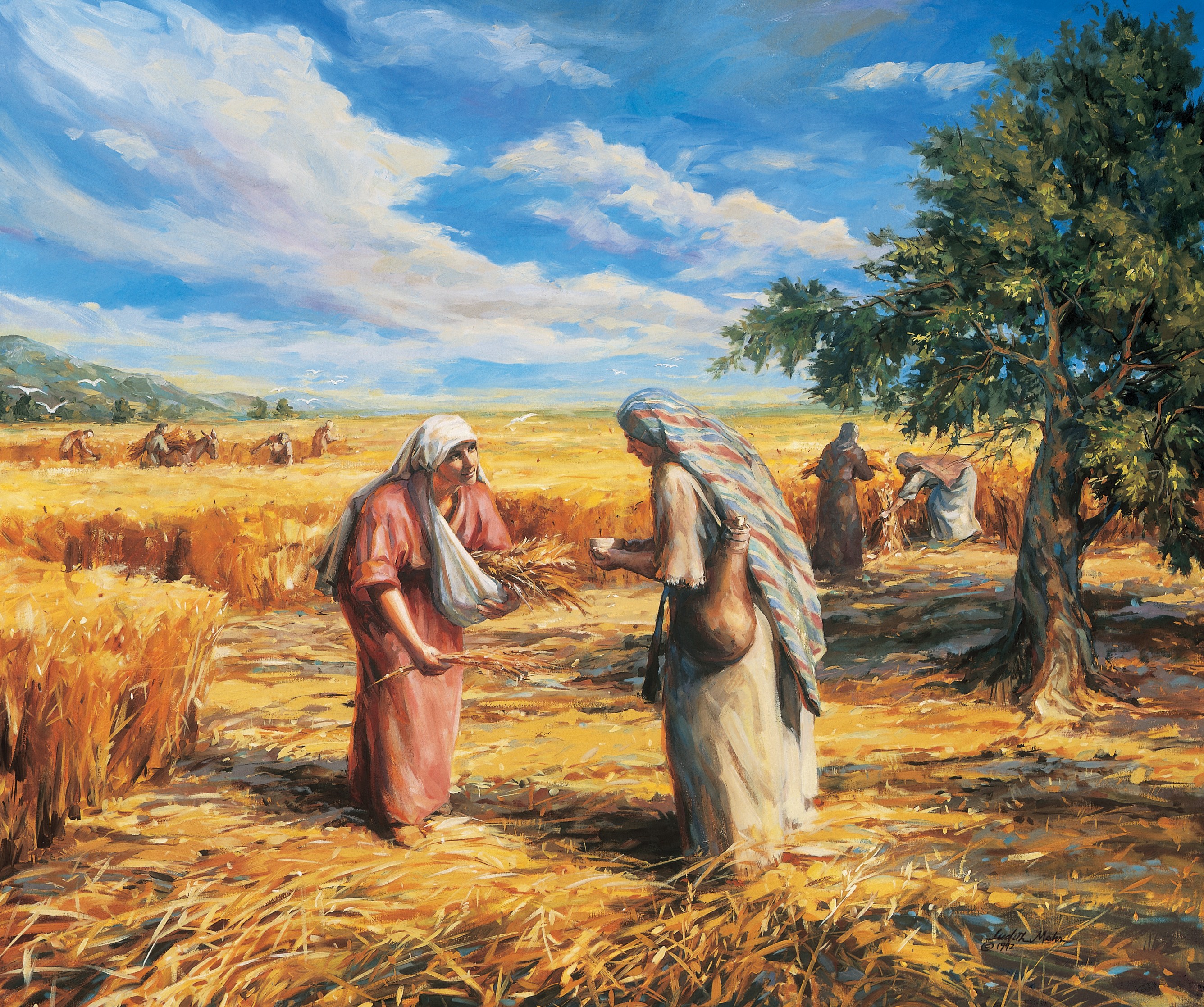
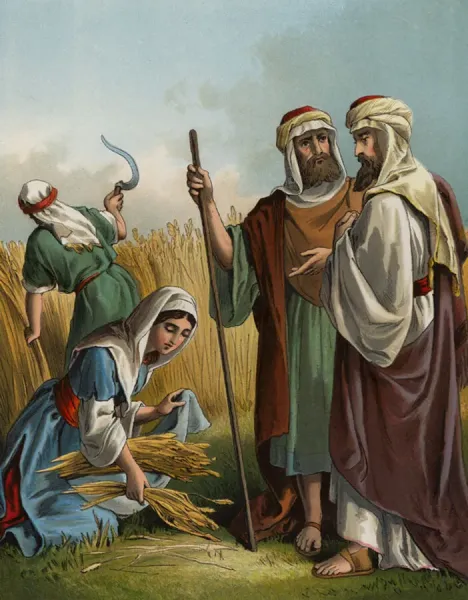
The Book of Ruth is one of the most beautiful and powerful narratives in the Bible. Although it is a short book with only four chapters, it provides profound insights into the character of God—especially His mercy, kindness, and justice. Through the lives of Ruth, Naomi, and Boaz, the story demonstrates how God works through human compassion, faithfulness, and righteous actions to restore hope and dignity.
Set during the period described in the Book of Judges—a time marked by social chaos and moral decline—the Book of Ruth presents a contrasting picture of divine grace. The narrative shows that God’s mercy reaches outsiders, His kindness inspires human relationships, and His justice restores the vulnerable.
1. God’s Mercy Toward the Vulnerable
One of the clearest themes in the Book of Ruth is God’s mercy toward people who are suffering or marginalized.
Naomi’s Tragedy and God’s Compassion
At the beginning of the story, Naomi experiences devastating loss:
-
Her husband dies.
-
Both of her sons die.
-
She is left as a widow in a foreign land.
These events leave Naomi feeling empty and bitter. When she returns to Bethlehem, she says, “Call me Mara, for the Almighty has made my life very bitter.”
However, the narrative gradually reveals that God has not abandoned her. Through unexpected circumstances—Ruth’s loyalty, Boaz’s generosity, and the eventual birth of a child—Naomi’s life is restored.
Mercy Through Providence
God’s mercy is also shown through what appears to be coincidence. Ruth “happens” to glean in the field of Boaz, a relative who can help them. This subtle guidance suggests that:
-
God works behind the scenes.
-
Divine mercy often comes through ordinary events.
-
Even painful experiences can lead to restoration.
The birth of Naomi’s grandson, Obed, ultimately renews her life and future.
2. God’s Kindness Expressed Through Human Relationships
The Book of Ruth highlights the Hebrew concept of “hesed”, meaning loyal love, kindness, or covenant faithfulness. God’s kindness is demonstrated through the actions of the characters.
Ruth’s Loyalty to Naomi
Ruth’s famous declaration expresses deep commitment:
“Where you go I will go, and where you stay I will stay. Your people will be my people and your God my God.”
This statement reveals extraordinary loyalty because:
-
Ruth leaves her homeland of Moab.
-
She chooses to care for her widowed mother-in-law.
-
She adopts Naomi’s faith and community.
Through Ruth’s actions, the story shows that God’s kindness often works through human compassion.
Boaz as an Instrument of Kindness
Boaz demonstrates kindness in several ways:
-
He allows Ruth to glean in his fields.
-
He ensures her safety among the workers.
-
He provides extra grain for her and Naomi.
Boaz goes beyond legal requirements. His generosity reflects the character of God, showing that true kindness involves both compassion and action.
3. God’s Justice in Protecting the Poor and Foreigners
The Book of Ruth also illustrates the justice of God, particularly toward the poor, widows, and foreigners.
The Law of Gleaning
According to Israelite law, landowners were required to leave part of their harvest for the poor and foreigners. Ruth benefits from this law when she gathers leftover grain in Boaz’s field.
This law reveals important aspects of God’s justice:
-
The poor were given dignity through work.
-
Foreigners were protected within the community.
-
Society was structured to care for the vulnerable.
Ruth, a foreigner and widow, becomes a powerful example of how God’s justice provides opportunities for survival and dignity.
4. The Role of the Kinsman-Redeemer
Another powerful example of divine justice appears in the concept of the kinsman-redeemer.
A kinsman-redeemer was a close relative who had the responsibility to:
-
Redeem family property.
-
Marry a widow to preserve the family line.
-
Protect the rights of relatives in distress.
Boaz fulfills this role by marrying Ruth and restoring Naomi’s family inheritance.
Justice Through Restoration
Boaz’s actions demonstrate that biblical justice is not only about punishment but also about restoration and healing.
Through this redemption:
-
Naomi’s family line continues.
-
Ruth receives security and honor.
-
The community celebrates the restoration of a broken family.
This reflects God’s justice as compassionate and restorative rather than merely legalistic.
5. God’s Inclusion of Outsiders
A remarkable aspect of the Book of Ruth is that the heroine is a Moabite, a foreigner often viewed negatively by Israel.
Yet Ruth becomes:
-
A respected member of the community.
-
The wife of Boaz.
-
The great-grandmother of King David.
This inclusion reveals an important truth: God’s mercy extends beyond national or ethnic boundaries.
The story teaches that faithfulness and character matter more than background or nationality.
6. God’s Plan for Redemption in History
The ending of the Book of Ruth connects the story to the larger biblical narrative. The genealogy at the end shows that Ruth and Boaz become ancestors of King David.
This connection highlights several theological themes:
-
God uses ordinary people to accomplish extraordinary purposes.
-
Acts of kindness and justice can shape history.
-
Divine mercy has long-term effects across generations.
Through Ruth’s faithfulness and Boaz’s righteousness, God’s redemptive plan unfolds in a surprising way.
7. Key Lessons About God’s Character
The Book of Ruth ultimately reveals several essential truths about God:
God’s Mercy
-
God cares for the suffering and abandoned.
-
Even in hardship, divine compassion is present.
God’s Kindness
-
God’s love is expressed through loyal relationships.
-
Human acts of compassion reflect divine character.
God’s Justice
-
God protects widows, foreigners, and the poor.
-
True justice restores dignity and community.
Conclusion
The Book of Ruth is a powerful narrative demonstrating God’s mercy, kindness, and justice in everyday life. Through the devotion of Ruth, the generosity of Boaz, and the restoration of Naomi, the story reveals how divine compassion operates through human actions.
Rather than dramatic miracles, God’s work appears through faithfulness, compassion, and righteous choices. The result is a narrative that encourages readers to embody the same mercy, kindness, and justice in their own communities.
Ultimately, the Book of Ruth teaches that God’s love is inclusive, restorative, and faithful—transforming lives even in the midst of loss and uncertainty.
Comments are closed.