In What Ways Does the Book of Ruth Illustrate God’s Providence and Faithfulness?
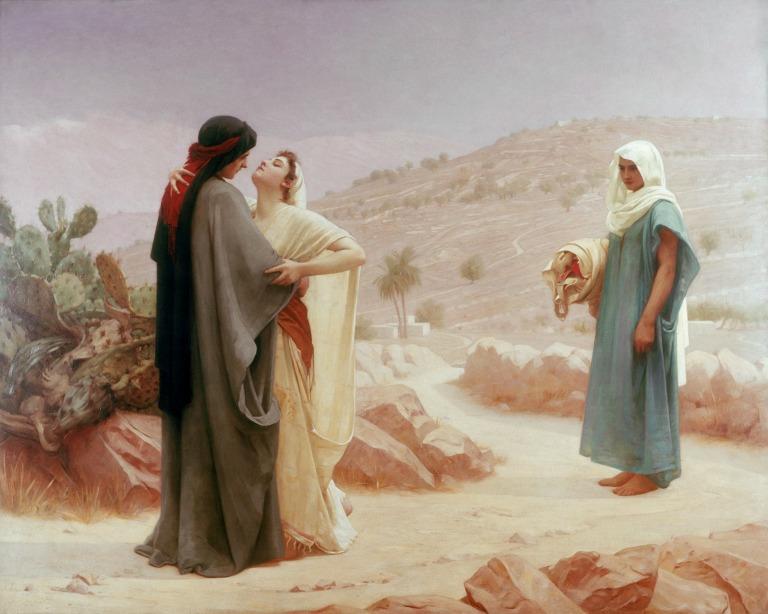
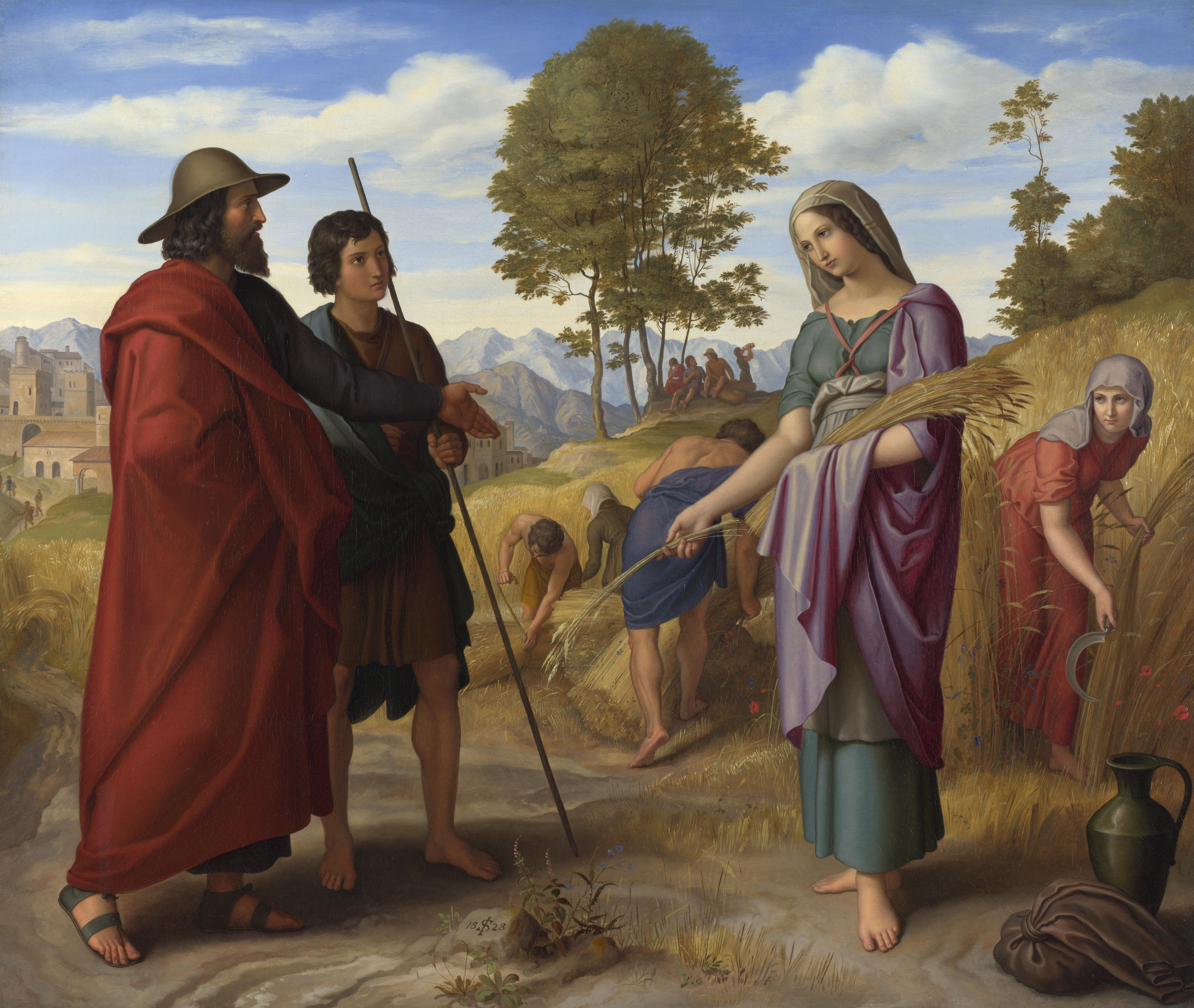

The Book of Ruth is one of the most beautiful and meaningful narratives in the Old Testament. Although it is a short book with only four chapters, it powerfully demonstrates God’s providence, faithfulness, and loving care for His people. The story centers on three key figures: Ruth, Naomi, and Boaz. Through their lives, the narrative reveals how God quietly guides events, rewards loyalty, and fulfills His promises.
Set during the time of the Book of Judges—a period marked by moral confusion and social instability—the Book of Ruth highlights a powerful contrast. Instead of chaos and violence, it presents a story of kindness, redemption, and divine providence.
Below are several key ways the Book of Ruth illustrates God’s providence and faithfulness.
1. God’s Providence Through Ordinary Events
One remarkable feature of the Book of Ruth is that God rarely appears through dramatic miracles. Instead, His providence works through ordinary circumstances.
Examples of Divine Guidance
-
Naomi’s decision to return to Bethlehem after hearing that the famine had ended.
-
Ruth’s “chance” arrival in the fields belonging to Boaz.
-
Boaz’s kindness and willingness to help Ruth and Naomi.
These events may seem coincidental, but the narrative suggests that God is quietly directing them. Ruth’s decision to glean in Boaz’s field appears accidental, yet it becomes the turning point in the story.
Lesson of Providence
God’s providence often operates through everyday situations rather than dramatic interventions. The Book of Ruth reminds readers that God can guide lives through seemingly ordinary events.
2. God’s Faithfulness in Times of Suffering
At the beginning of the story, Naomi experiences deep tragedy:
-
A famine forces her family to leave their homeland.
-
Her husband dies.
-
Her two sons die, leaving her widowed and childless.
Naomi even expresses bitterness about her circumstances. However, God’s faithfulness eventually becomes evident.
Transformation of Naomi’s Situation
-
Naomi returns to Bethlehem empty and grieving.
-
Through Ruth and Boaz, she gains renewed hope.
-
The birth of a grandson restores her joy and security.
The story shows that even in seasons of loss, God’s faithfulness continues working behind the scenes.
3. Loyalty and Faithfulness Reflect God’s Character
One of the central themes of the Book of Ruth is loyal love, often described by the Hebrew word hesed, meaning covenant faithfulness.
Ruth’s Loyalty
Ruth’s commitment to Naomi is one of the most famous declarations of loyalty in Scripture:
“Where you go I will go, and where you stay I will stay.”
Despite being from Moab, Ruth chooses to remain with Naomi and embrace her people and her God.
Boaz’s Kindness
Boaz demonstrates the same faithful love by:
-
Protecting Ruth in his fields
-
Providing food and safety
-
Acting as a family redeemer
Through these actions, human faithfulness reflects God’s own covenant love.
4. God’s Provision Through the Kinsman-Redeemer
A central theme in the story is the role of the kinsman-redeemer, a relative responsible for restoring the family’s inheritance and protecting widows.
Boaz fulfills this role by:
-
Redeeming Naomi’s family land
-
Marrying Ruth
-
Restoring the family line
This act shows God’s providential care for vulnerable people.
Spiritual Significance
The idea of a redeemer points beyond the story itself. It foreshadows the concept of divine redemption in the larger biblical narrative.
5. God’s Inclusion of Outsiders in His Plan
Ruth is not an Israelite; she is a Moabite. In ancient Israel, foreigners often faced social exclusion.
However, the Book of Ruth demonstrates that God’s grace extends beyond national boundaries.
Ruth’s Role in God’s Plan
Despite her foreign background:
-
Ruth becomes part of Israel’s community.
-
She marries Boaz.
-
She becomes the great-grandmother of King David.
This inclusion highlights God’s universal plan and His willingness to welcome those who trust Him.
6. God’s Faithfulness to His Covenant Promises
The climax of the Book of Ruth comes with the birth of Ruth and Boaz’s son, Obed.
Genealogical Significance
Obed becomes:
-
The father of Jesse
-
The grandfather of King David
This genealogy is important because David becomes Israel’s greatest king. Through this lineage, God continues fulfilling His covenant promises to His people.
The story shows that even small family events can play a role in God’s larger plan for history.
7. From Emptiness to Restoration
One of the most powerful themes in the Book of Ruth is the transformation from loss to blessing.
Naomi’s Journey
At the beginning of the story Naomi says she returned home empty.
By the end:
-
Her family line is restored.
-
She holds her grandson in her arms.
-
The community celebrates God’s goodness.
This transformation demonstrates that God’s providence can bring restoration even after deep suffering.
Key Lessons from the Book of Ruth
The story offers several important spiritual insights:
-
God works through ordinary events.
-
Faithfulness and kindness reflect God’s character.
-
God cares for the vulnerable and marginalized.
-
Divine providence often unfolds gradually.
-
God’s plans can include unexpected people.
Ultimately, the Book of Ruth shows that God’s faithfulness operates both in personal lives and in the unfolding of history.
Conclusion
The Book of Ruth beautifully illustrates God’s providence and faithfulness through the lives of Ruth, Naomi, and Boaz. Although the story contains no dramatic miracles, it reveals a God who quietly guides circumstances, rewards loyalty, and fulfills His promises.
From famine and loss to redemption and blessing, the narrative demonstrates that God remains present even when His work is not immediately visible. Through Ruth’s faithfulness, Boaz’s kindness, and Naomi’s restoration, the story shows how divine providence can transform tragedy into hope and despair into joy.
Comments are closed.