Saul’s Repeated Failure to Kill David: Evidence of Weakening Authority and Unstable Leadership

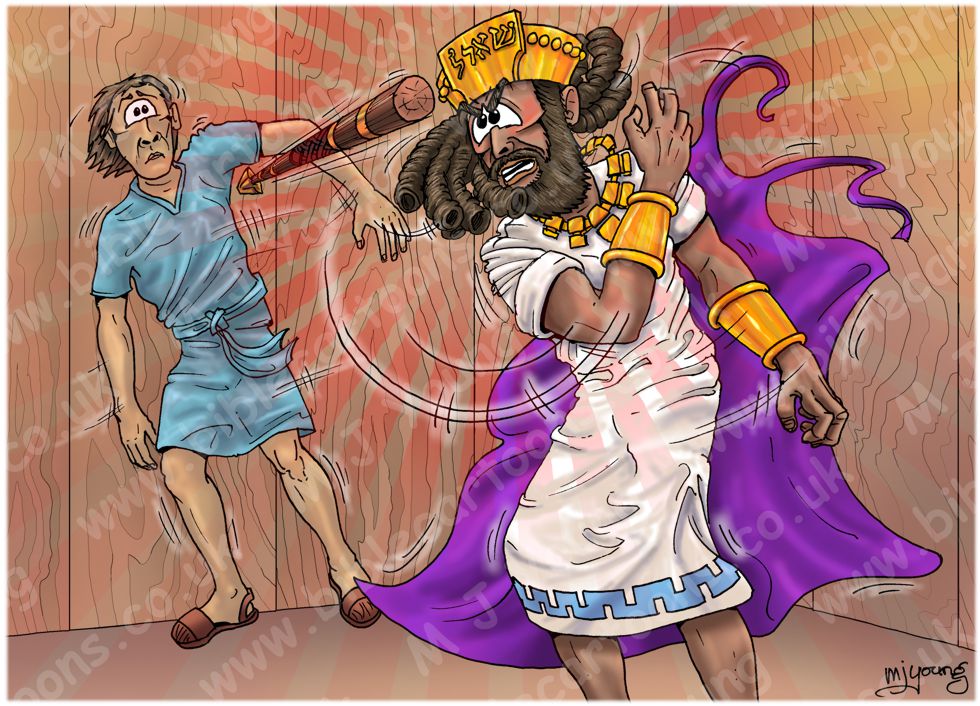

The dramatic conflict between King Saul and David is one of the most revealing leadership narratives in the Bible, particularly in the Book of 1 Samuel. Saul’s repeated attempts—and consistent failures—to kill David expose more than personal jealousy. They reveal a steady decline in Saul’s authority, emotional stability, and ability to lead Israel effectively.
Instead of acting as a wise and confident king, Saul increasingly behaves as a fearful ruler driven by insecurity. His inability to eliminate David, despite numerous opportunities, exposes the fragility of his leadership and highlights the growing contrast between Saul’s failing rule and David’s rising favor with both God and the people.
1. Saul’s Jealousy Undermined His Authority
Saul’s hostility toward David began after David’s victory over Goliath and his growing popularity among the Israelites. When the women sang, “Saul has slain his thousands, and David his tens of thousands,” Saul became deeply threatened.
This jealousy triggered a chain of destructive leadership behaviors:
-
Viewing a loyal servant as a rival rather than an ally
-
Allowing personal insecurity to dictate political decisions
-
Focusing more on protecting his throne than leading the nation
A strong leader builds capable people around him, but Saul saw David’s success as a danger rather than a blessing. His obsession with destroying David weakened his credibility and distracted him from governing Israel effectively.
2. Repeated Failed Assassination Attempts Exposed Weak Leadership
Saul tried several times to kill David, but each attempt ended in failure. These repeated failures publicly revealed that Saul’s power was diminishing.
Major Failed Attempts
1. The Spear Incident
-
Saul attempted to pin David to the wall with a spear while David played music for him.
-
David escaped not once but twice.
This incident demonstrated Saul’s impulsive anger and lack of control, traits that undermine a leader’s authority.
2. Sending David into Dangerous Battles
Saul hoped David would die in battle against the Philistines. Instead:
-
David returned victorious.
-
His popularity grew even stronger.
Rather than eliminating David, Saul unintentionally elevated him.
3. Using Marriage as a Trap
Saul offered his daughter in marriage, expecting David to die fulfilling a dangerous bride-price requirement. Instead:
-
David succeeded again.
-
His reputation as a courageous warrior increased.
Every plan Saul devised backfired, revealing the weakness of his strategies.
3. Saul’s Emotional Instability Became Visible
Another key indicator of Saul’s weakening leadership was his emotional instability. The Bible describes moments where Saul was tormented by an evil spirit and behaved irrationally.
Signs of Saul’s instability included:
-
Sudden bursts of rage
-
Paranoid fear of losing power
-
Violent outbursts against loyal servants
-
Constant suspicion of conspiracies
These behaviors made Saul appear unpredictable and unsafe as a ruler. Leaders who lack emotional stability often lose the trust of their followers, and Saul’s court began to recognize his instability.
Even his own son, Jonathan, defended David and opposed Saul’s attempts to kill him. When a king’s own family questions his judgment, it signals a serious collapse of authority.
4. David’s Integrity Highlighted Saul’s Weakness
Ironically, Saul’s leadership decline became more obvious because of David’s contrasting character.
Despite Saul’s relentless pursuit, David repeatedly spared Saul’s life when he had opportunities to kill him. For example:
-
David refused to harm Saul in the cave at En-gedi.
-
He respected Saul as “the Lord’s anointed.”
David demonstrated:
-
Self-control
-
Respect for God’s authority
-
Patience in waiting for God’s timing
These actions made Saul appear even more unstable and unjust by comparison. While Saul tried to cling to power through violence, David gained influence through humility and righteousness.
5. Saul’s Fear Replaced His Confidence
Healthy leadership requires confidence and trust in God’s guidance. Saul, however, gradually became dominated by fear.
His fears included:
-
Losing the throne
-
Being overshadowed by David
-
Losing the loyalty of the people
As fear increased, Saul began making increasingly desperate decisions, including:
-
Obsessively hunting David across Israel
-
Ignoring national responsibilities
-
Consulting forbidden spiritual practices later in his reign
Fear-driven leadership often leads to poor judgment, and Saul’s reign became defined by reaction rather than wisdom.
6. Saul’s Loss of Divine Favor Became Evident
Perhaps the most significant factor behind Saul’s weakening authority was the loss of God’s favor. Earlier in his reign, Saul had already been rejected as king because of his disobedience to God.
The consequences included:
-
God’s Spirit departing from Saul
-
David receiving God’s blessing
-
Saul’s plans continually failing
This spiritual reality explains why Saul could never successfully eliminate David. Despite Saul’s authority as king, God was protecting David because David had been chosen as the future ruler of Israel.
This theological dimension reveals that Saul’s failures were not merely strategic mistakes—they reflected a deeper spiritual decline.
7. The People’s Loyalty Gradually Shifted
As Saul’s instability increased, the people’s admiration moved toward David. David became known as:
-
A courageous warrior
-
A wise leader
-
A man favored by God
Meanwhile, Saul appeared increasingly:
-
Suspicious
-
Angry
-
Distrustful
Public perception matters greatly in leadership. Saul’s repeated failures made it clear that his authority was fading while David’s influence was growing.
Conclusion
Saul’s repeated failure to kill David is far more than a dramatic biblical storyline. It reveals the progressive collapse of a leader who allowed jealousy, fear, and insecurity to dominate his decisions.
These failures exposed several weaknesses in Saul’s leadership:
-
Jealousy that undermined wise judgment
-
Emotional instability that eroded trust
-
Fear that replaced confident leadership
-
Loss of divine favor and spiritual direction
At the same time, David’s integrity, patience, and faithfulness highlighted the qualities of a future king.
Ultimately, Saul’s inability to eliminate David symbolized a deeper truth: leadership built on insecurity an
What major themes are introduced in the first half of 1 Samuel?
Comments are closed.