
In What Ways Does Samuel Emerge as a Unifying Leader Calling Israel Back to Exclusive Worship of the Lord?
The life of Samuel marks a crucial turning point in the history of Israel. During a period of political instability and spiritual decline, Samuel rose as a prophet, judge, and spiritual reformer. His leadership helped unite the nation and redirect its people toward faithful devotion to the Lord.
At a time when the Israelites were tempted by idolatry and influenced by surrounding nations, Samuel called them back to exclusive worship of God. Through spiritual guidance, national repentance, and decisive leadership, he restored unity among the tribes and reestablished the central role of God in Israel’s life.
Historical Context: Israel’s Spiritual Crisis
Before Samuel’s leadership, Israel experienced a chaotic period known as the time of the judges. During this era:
-
The tribes were often divided and disorganized.
-
Many people turned to the worship of foreign gods.
-
Religious leaders like the sons of Eli had become corrupt.
-
Israel suffered defeat from enemies such as the Philistia and their armies.
The capture of the Ark of the Covenant by the Philistines symbolized Israel’s spiritual decline. The people had begun to treat sacred objects as magical tools rather than honoring God himself.
Into this crisis stepped Samuel, who became the spiritual leader capable of uniting the nation.
Samuel as Prophet and Spiritual Guide
Samuel’s authority came primarily from his role as a prophet—someone who spoke God’s word to the people. Unlike many leaders before him, Samuel demonstrated personal integrity and obedience to God.
Key aspects of his prophetic leadership included:
-
Delivering God’s messages clearly and courageously
-
Correcting moral and spiritual failures
-
Calling the nation to repentance
-
Guiding Israel through God’s direction rather than human ambition
Because Samuel consistently demonstrated faithfulness, the people recognized him as a trustworthy spiritual authority. His credibility allowed him to influence the entire nation.
Calling Israel to Repentance and Exclusive Worship
One of Samuel’s most significant acts as a unifying leader occurred when he called Israel to abandon idolatry and return fully to the Lord.
At the national gathering in Mizpah, Samuel challenged the people with a powerful call:
If you are returning to the Lord with all your hearts, then rid yourselves of the foreign gods.
At the time, many Israelites were worshiping Canaanite deities such as:
-
Baal
-
Ashtoreth
Samuel urged the people to remove these idols and commit themselves entirely to the worship of the Lord.
The people responded by:
-
Confessing their sins
-
Fasting and praying
-
Publicly renouncing false gods
This moment represented a national spiritual renewal and helped unify Israel under the worship of one God.
National Intercession and Victory
Samuel’s leadership also united Israel during moments of national danger. When the Philistines attacked during the assembly at Mizpah, the Israelites were afraid.
Instead of relying on military strength alone, they asked Samuel to pray for them.
Samuel:
-
Offered a sacrifice to God
-
Interceded on behalf of the nation
-
Encouraged the people to trust in God’s power
According to the biblical account, God responded by confusing the Philistine army and granting Israel victory.
Samuel later set up a memorial stone called:
-
Ebenezer
This monument symbolized God’s help and reminded the people that their unity and strength came from faithfulness to the Lord.
Establishing Moral and Judicial Leadership
Another way Samuel unified Israel was through his role as a judge. He traveled throughout the land settling disputes and administering justice.
His regular circuit included places such as:
-
Bethel
-
Gilgal
-
Mizpah
By doing this, Samuel:
-
Promoted fairness and justice
-
Strengthened national identity
-
Encouraged obedience to God’s law
His leadership created stability during a time when Israel desperately needed guidance.
Preparing Israel for Future Leadership
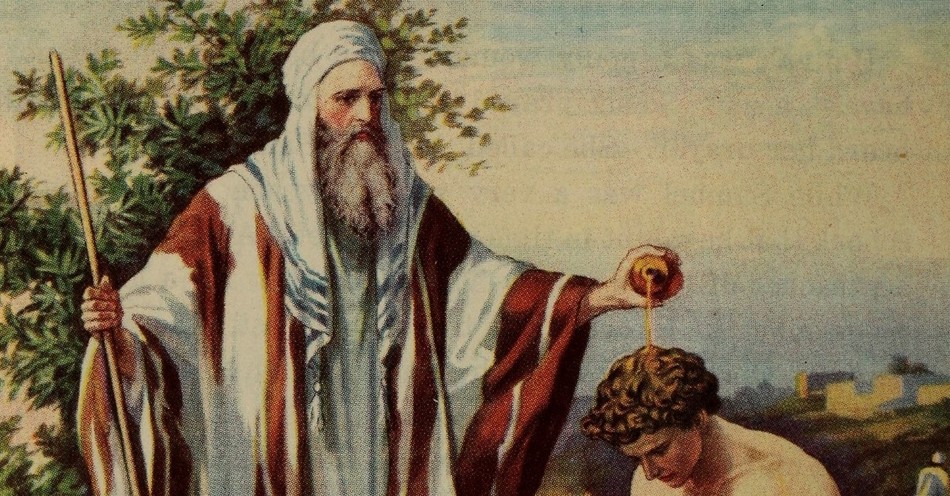
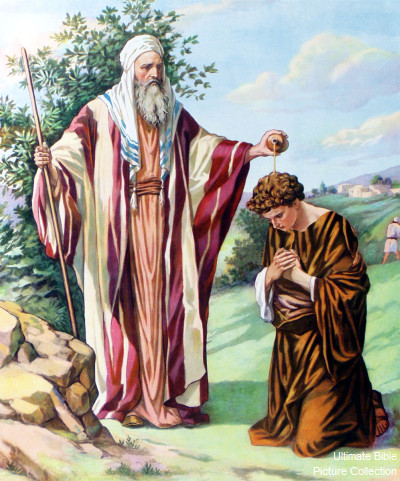
Samuel’s influence extended beyond his own lifetime. He played a key role in shaping Israel’s political future by anointing its first kings.
He anointed:
-
Saul
-
David
Although Israel requested a king to be like other nations, Samuel reminded them that God remained their true ruler. His leadership helped maintain the balance between political authority and spiritual devotion.
Through this transition, Samuel ensured that the nation’s unity would continue under leaders chosen according to God’s will.
Characteristics That Made Samuel a Unifying Leader
Several qualities explain why Samuel successfully united Israel.
1. Spiritual Integrity
Samuel’s life reflected genuine obedience to God. His personal example inspired trust and respect.
2. Courage to Confront Sin
He boldly challenged idolatry and corruption, even when it was unpopular.
3. Commitment to Prayer
Samuel consistently prayed for the nation, demonstrating reliance on God rather than human power.
4. National Vision
He recognized that Israel’s unity depended on shared devotion to the Lord.
Lessons for Believers Today
Samuel’s leadership continues to offer powerful lessons for modern readers.
Important spiritual lessons include:
-
True unity begins with shared faith and values.
-
Spiritual leaders must prioritize obedience to God.
-
Repentance and renewal can restore a divided community.
-
Godly leadership requires courage, humility, and prayer.
Samuel’s life reminds believers that national and spiritual renewal begins when people return wholeheartedly to God.
Conclusion
Samuel emerged as one of Israel’s most influential leaders during a time of deep spiritual crisis. By calling the nation to repentance, confronting idolatry, interceding in prayer, and administering justice, he united the tribes and restored their commitment to God.
His leadership demonstrated that true unity cannot be achieved through political power alone—it must be rooted in faithful devotion to the Lord. Through Samuel’s guidance, Israel rediscovered its identity as a people chosen to worship and serve God alone.
How does the return of the Ark illustrate God’s ability to defend His own honor?
Comments are closed.