In What Ways Does God Respond to Sincere Repentance?


Sincere repentance is one of the most powerful themes in the Bible. Throughout Scripture, God consistently shows mercy, forgiveness, and restoration to those who genuinely turn back to Him. Repentance is more than simply saying “sorry.” It involves recognizing sin, feeling genuine sorrow, and choosing to change direction toward God.
The biblical stories of figures like King David, the people of Nineveh, and the teachings of Jesus Christ illustrate how God responds when repentance comes from the heart. These examples reveal that God’s response is not merely judgment but often compassion, healing, and renewal.
Below are the key ways God responds to sincere repentance according to Scripture.
1. God Offers Forgiveness
One of the clearest responses to genuine repentance is forgiveness. The Bible repeatedly teaches that God is ready to forgive those who confess their sins and return to Him.
How forgiveness is shown
-
God removes the guilt of sin.
-
He restores the relationship between Himself and the repentant person.
-
He cleanses the heart and conscience.
A powerful example appears in the life of King David. After his sin with Bathsheba, David expressed deep repentance in Psalm 51. Instead of rejecting him, God forgave him and continued His covenant relationship.
This reveals an important truth: no sin is beyond God’s mercy when repentance is sincere.
2. God Shows Mercy Instead of Judgment
Another common response is mercy. When people repent, God often withholds the punishment that might otherwise come.
Example: The repentance of Nineveh
When the prophet Jonah warned the city of Nineveh about impending destruction, the people humbled themselves with fasting and repentance. Scripture records that when God saw their sincere change, He spared the city.
This story demonstrates:
-
God notices genuine change.
-
Repentance can alter the course of judgment.
-
Divine mercy triumphs when hearts turn back to God.
3. God Restores Broken Relationships
Sin damages relationships—with God and with others. When repentance occurs, God works toward restoration.
Restoration includes:
-
Renewed fellowship with God
-
Emotional and spiritual healing
-
Renewed purpose in life
For instance, after denying Jesus Christ three times, Peter the Apostle experienced deep regret. Yet Jesus later restored him and even entrusted him with leadership in the early church.
This shows that repentance does not disqualify someone from future service. Instead, it often becomes the beginning of transformation.
4. God Brings Spiritual Renewal
True repentance does more than erase past mistakes—it initiates inner renewal.
Signs of spiritual renewal include:
-
A transformed heart
-
New desires to pursue righteousness
-
Renewed spiritual sensitivity
-
Greater humility before God
In Psalm 51, King David prayed, “Create in me a clean heart, O God.” His prayer illustrates that repentance leads to spiritual rebirth rather than mere behavioral change.
God responds by renewing the inner life of the person who repents.
5. God Welcomes the Repentant with Joy
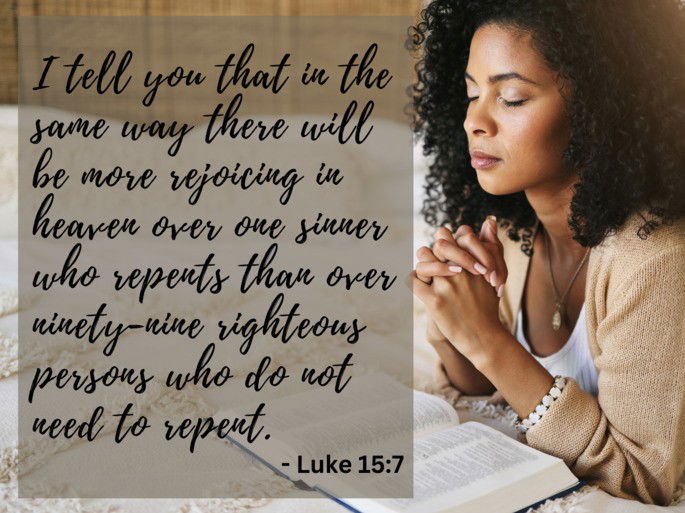
One of the most surprising biblical teachings is that repentance brings joy in heaven.
According to the teachings of Jesus Christ, heaven rejoices when even one sinner repents.
This reveals several truths:
-
Every individual matters to God.
-
Repentance is celebrated, not merely tolerated.
-
God delights in restoration rather than condemnation.
The parable of the lost sheep shows a shepherd celebrating when the missing sheep is found. This reflects God’s heart toward those who return to Him.
6. God Provides Guidance and Strength for Change
Sincere repentance involves turning away from old patterns. God does not expect people to accomplish this alone. Instead, He provides help.
God’s assistance often comes through:
-
The work of the Holy Spirit
-
Scripture and spiritual wisdom
-
Guidance through prayer
-
Support from faith communities
When someone repents, God empowers them to walk in a new direction. Repentance therefore becomes the starting point for a transformed life.
7. God Turns Failure into Growth
Another remarkable aspect of God’s response is that He often transforms past failure into spiritual growth.
Many biblical leaders experienced failure before becoming effective servants of God.
Examples include:
-
King David after his moral failure
-
Peter the Apostle after denying Christ
-
Jonah after fleeing God’s command
Their stories show that repentance can lead to deeper humility, wisdom, and compassion.
Instead of defining people by their mistakes, God often uses repentance to shape stronger character.
8. God Reaffirms His Covenant Love
Ultimately, sincere repentance reveals the depth of God’s covenant love. God’s desire is not simply to punish wrongdoing but to restore people into a right relationship with Him.
Throughout the Bible, God repeatedly calls people to return to Him. His response to repentance demonstrates:
-
His patience
-
His compassion
-
His commitment to redemption
This consistent pattern shows that God’s grace is stronger than human failure.
Conclusion
Sincere repentance opens the door to profound transformation. When individuals acknowledge their wrongdoing and turn back to God, Scripture shows that God responds with forgiveness, mercy, and renewal.
Rather than rejecting those who fail, God welcomes them back with compassion and joy. Through repentance, broken relationships are restored, hearts are renewed, and lives are redirected toward purpose.
The stories of King David, Jonah, and the teachings of Jesus Christ remind believers that no one is beyond God’s grace. True repentance is not the end of the story—it is the beginning of restoration.
In this way, God’s response to sincere repentance reveals His character: merciful, patient, and eager to forgive.
In what ways does God limit judgment even when discipline is necessary?