Ruth’s Story: A Powerful Reflection of Restoration and Hope in Times of Suffering
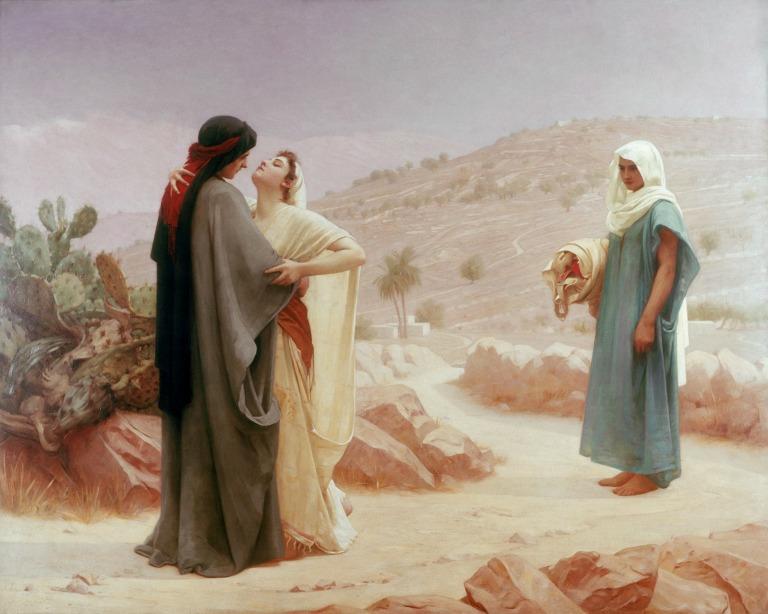

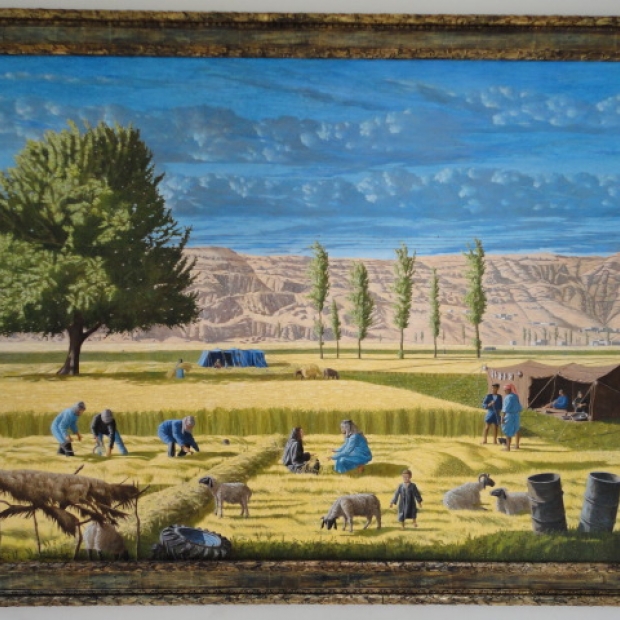
The story recorded in the Book of Ruth is one of the most beautiful narratives in the Bible. Though it is a short book, it carries a profound message about faith, loyalty, restoration, and hope during suffering. Through the lives of Ruth, Naomi, and Boaz, the story demonstrates how God can transform tragedy into blessing.
Set during the chaotic period of the Judges, the narrative begins with famine, loss, and grief but ends with redemption and new life. Ruth’s journey from suffering to restoration mirrors the larger biblical theme that God brings hope even in the darkest circumstances.
1. The Context of Suffering in Ruth’s Story
The narrative begins with deep tragedy. Naomi and her husband leave Bethlehem due to famine and settle in Moab. There, Naomi’s husband and two sons die, leaving three widows: Naomi, Ruth, and Orpah.
Key Elements of the Suffering
-
Famine forces Naomi’s family to migrate.
-
Death of family members leaves the women vulnerable.
-
Loss of security and inheritance in a patriarchal society.
-
Emotional despair, as Naomi later says her life has become bitter.
Naomi even asks people to call her Mara, meaning “bitter,” because she feels God has dealt harshly with her.
This stage of the story represents a recurring biblical theme: human suffering and brokenness. The Bible repeatedly shows that hardship often becomes the starting point for God’s redemptive work.
2. Ruth’s Loyalty: Faith in the Midst of Hardship
One of the most famous moments in the story occurs when Ruth refuses to leave Naomi. She declares:
“Where you go I will go, and where you stay I will stay; your people will be my people and your God my God.”
This statement reflects extraordinary loyalty and faith.
Why Ruth’s Choice Matters
-
Ruth was a Moabite, not an Israelite.
-
She chose uncertain poverty over security in her homeland.
-
She committed herself not only to Naomi but also to Naomi’s God.
Ruth’s decision demonstrates a key biblical principle: hope begins with faithfulness, even when circumstances appear bleak.
Her loyalty becomes the turning point in the story and reflects the broader biblical teaching that faithful devotion leads to restoration.
3. God’s Hidden Providence
Interestingly, the Book of Ruth rarely mentions God directly. Yet throughout the narrative, God’s guidance becomes evident through ordinary events.
When Ruth goes to gather leftover grain to support Naomi, she “happens” to work in the field of Boaz. This seemingly random event reveals divine providence.
Examples of God’s Quiet Work
-
Ruth meets Boaz while gleaning in the fields.
-
Boaz shows kindness and protection toward Ruth.
-
The community recognizes Ruth’s character and loyalty.
-
Boaz becomes the kinsman-redeemer who restores Naomi’s family line.
The concept of a kinsman-redeemer is important in biblical theology. It represents someone who restores family property, protection, and lineage.
In this way, Boaz becomes a symbol of God’s restorative work.
4. Restoration Through Redemption
The climax of the story occurs when Boaz marries Ruth and restores Naomi’s family inheritance. Their union leads to the birth of a son, Obed.
This moment transforms Naomi’s despair into joy.
Signs of Restoration in the Story
-
Naomi’s emptiness becomes fullness.
-
Ruth finds security and belonging.
-
A broken family line is restored.
-
The community celebrates God’s goodness.
The women of Bethlehem even tell Naomi:
“Praise be to the Lord, who this day has not left you without a guardian-redeemer.”
This transformation from bitterness to blessing reflects the biblical promise that suffering is not the end of the story.
5. Ruth and the Larger Biblical Story
Ruth’s story is not only about personal redemption; it also plays a crucial role in the broader biblical narrative.
Obed becomes the grandfather of King David. This means Ruth, a foreign woman, becomes part of the royal lineage of Israel.
Even more importantly, the genealogy later connects to Jesus Christ in the New Testament.
Why This Is Significant
-
God includes outsiders in His plan of salvation.
-
Redemption extends beyond Israel to all nations.
-
Suffering becomes part of a larger redemptive purpose.
Thus, Ruth’s story foreshadows the ultimate redemption offered through Christ, showing that God works through ordinary people and painful circumstances to accomplish His plans.
6. Themes of Hope and Restoration in Ruth
The Book of Ruth highlights several key themes that echo throughout Scripture.
1. God Restores What Is Lost
Even after devastating loss, Naomi’s life is renewed.
2. Faithfulness Leads to Blessing
Ruth’s loyalty and humility open the door for unexpected blessings.
3. God Works Through Ordinary Events
Simple acts like gleaning in fields become part of divine providence.
4. Redemption Is Central to God’s Plan
Boaz’s role as redeemer symbolizes God’s commitment to restore His people.
5. Hope Emerges from Suffering
The story shows that pain can become the foundation for future joy.
7. Lessons for Modern Readers
Ruth’s story remains powerful because it reflects experiences people still face today.
Practical Lessons
-
Loyalty and kindness matter, even in difficult times.
-
Faith can guide us through uncertainty.
-
God’s plans may unfold quietly through everyday circumstances.
-
Suffering does not eliminate hope.
For believers, the story reminds them that God can transform tragedy into redemption, just as He did in Naomi and Ruth’s lives.
Conclusion
The story of Ruth is a profound example of how God brings restoration and hope out of suffering. Beginning with famine, loss, and despair, the narrative gradually reveals divine providence working through loyalty, kindness, and redemption.
Through Ruth’s faithfulness, Naomi’s bitterness turns into joy, and a broken family line becomes part of God’s greater plan for humanity. The Book of Ruth ultimately teaches that even in seasons of hardship, God is quietly working to restore, redeem, and bring hope.
This powerful message explains why Ruth’s story continues to inspire readers as a timeless reflection of the Bible’s central theme: God transforms suffering into redemption and despair into hope.
Comments are closed.