Ruth as a Type of the Gentile Church and the Opening of God’s Grace to All People
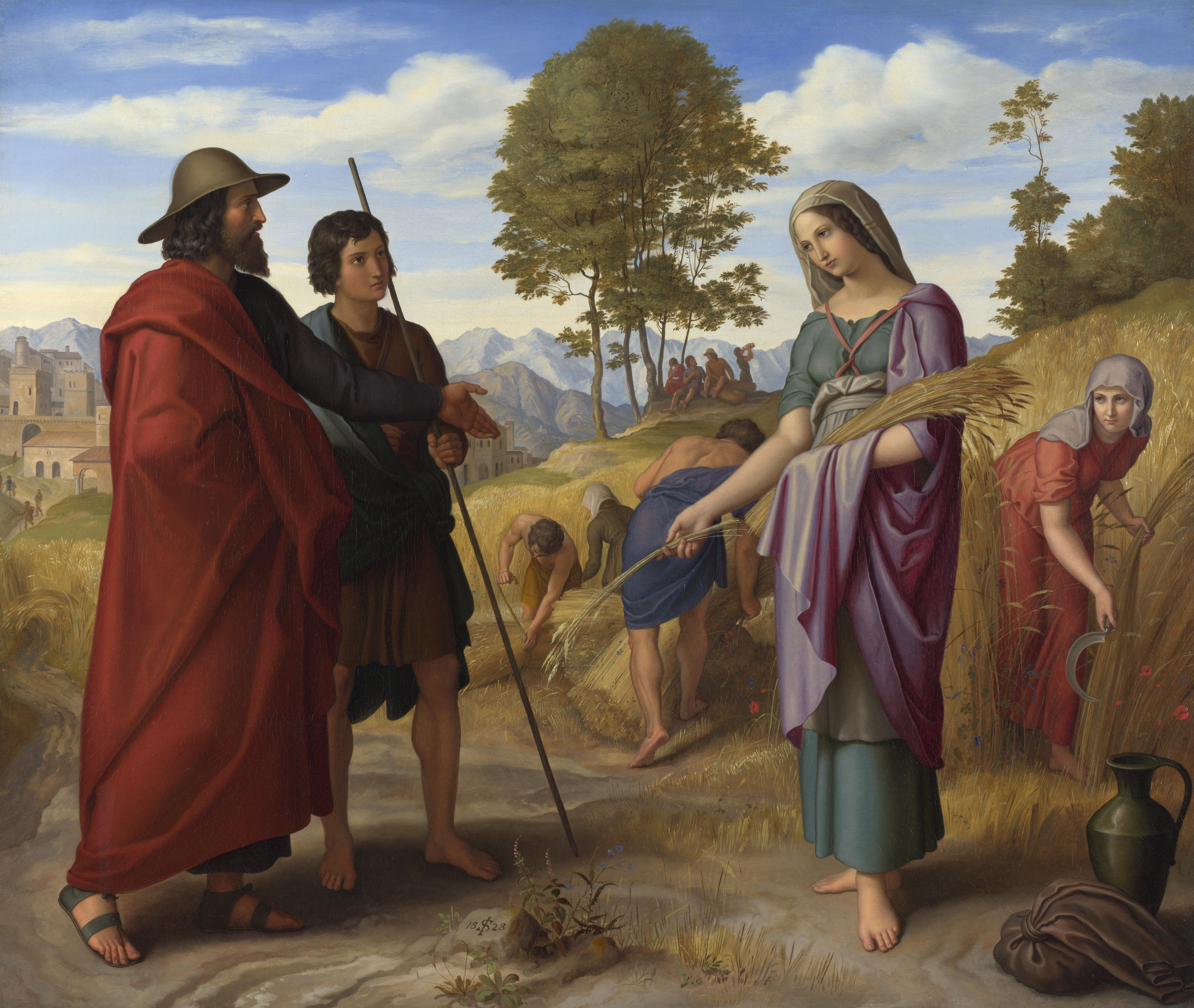
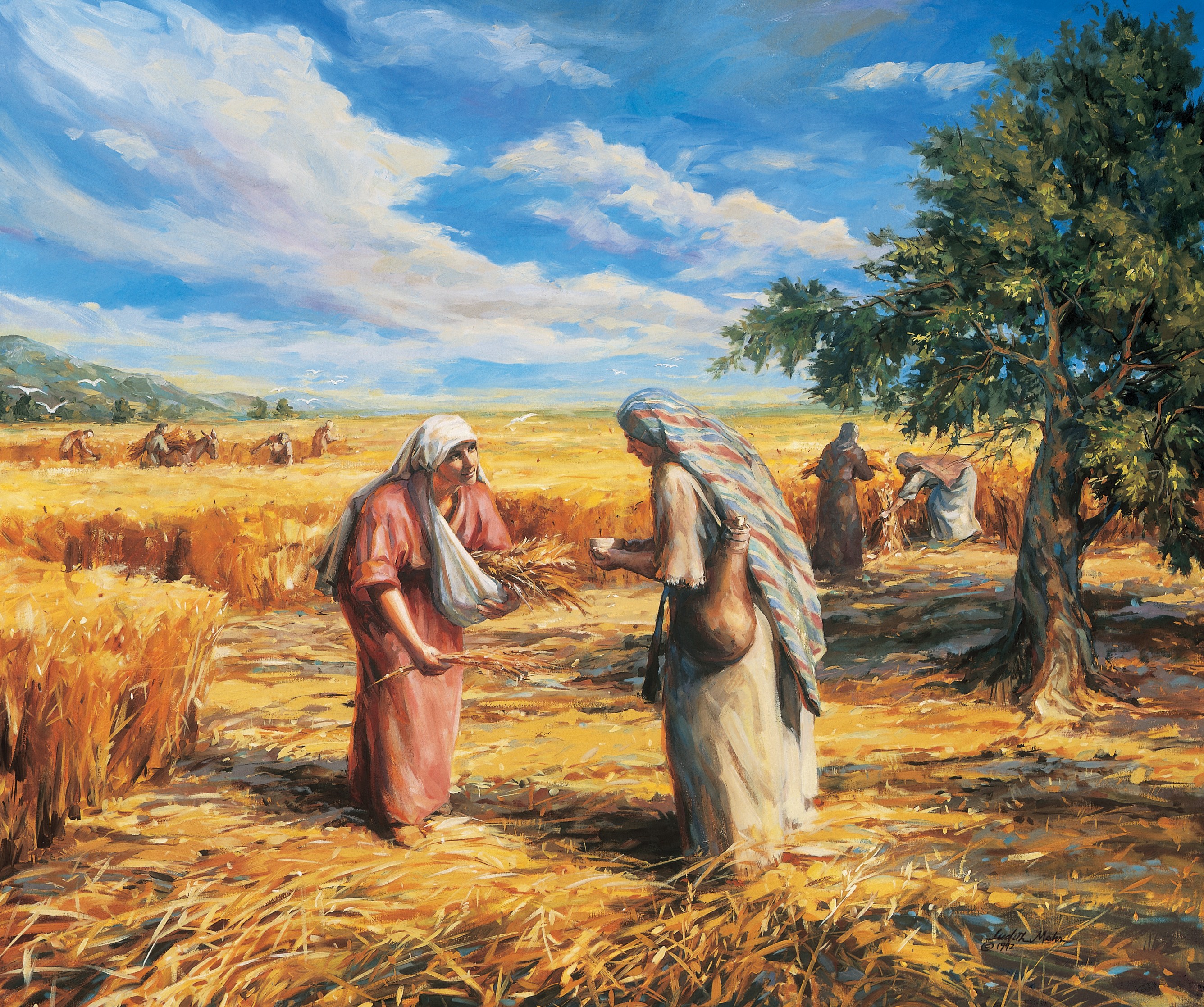
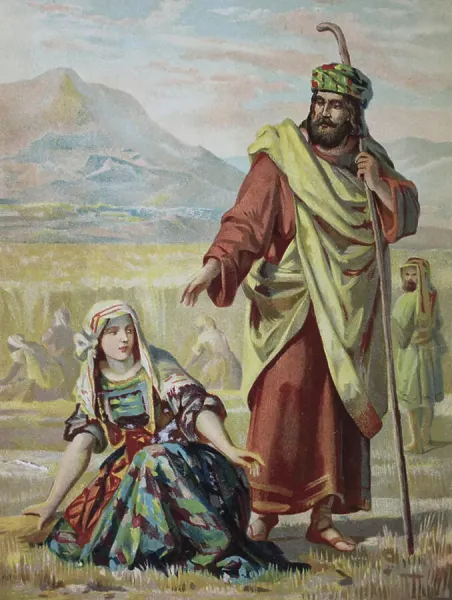
The story of Ruth in the Book of Ruth is one of the most beautiful narratives in the Bible. Though short, this book carries profound theological significance. Ruth’s life is often understood as a type or symbol of the Gentile church, demonstrating how God’s grace extends beyond Israel to include all nations.
Through Ruth’s faith, loyalty, and eventual inclusion in the lineage of Jesus Christ, the Bible reveals a powerful message: God’s plan of redemption is open to everyone, not just one ethnic group. Her story foreshadows the inclusion of Gentiles into the family of God.
1. The Background of Ruth: A Gentile Outsider
Ruth’s story begins during the period described in the Book of Judges, a time of spiritual instability in Israel. She was a Moabite woman, meaning she came from the nation of Moab, historically considered an enemy of Israel.
Because of this background, Ruth represented someone outside the covenant people of God.
Key facts about Ruth’s background
-
She was not an Israelite
-
She came from a foreign nation
-
Moabites were often viewed with suspicion by Israelites
-
She had no natural claim to Israel’s covenant promises
Yet despite these barriers, Ruth became fully accepted among God’s people. This transformation mirrors how Gentiles later entered the Christian church through faith.
2. Ruth’s Faith and Conversion
One of the most powerful moments in Scripture occurs when Ruth commits herself to Naomi and to Israel’s God.
Her famous declaration includes:
-
Loyalty to Naomi
-
Acceptance of Israel’s people
-
Commitment to Israel’s God
In essence, Ruth made a spiritual conversion. She abandoned her former identity and chose to follow the Lord.
What this symbolizes for the Gentile church
Ruth represents how non-Israelites come to God:
-
Through faith
-
Through commitment
-
Through trust in God’s covenant
Similarly, the Gentile church enters God’s family not by ethnicity but by faith.
This same principle is emphasized later in the New Testament by Paul the Apostle, who taught that salvation is open to both Jews and Gentiles.
3. Ruth’s Humility and Dependence on Grace
When Ruth arrived in Bethlehem with Naomi, she had no social status or resources. She survived by gleaning leftover grain in the fields according to Israelite law.
During this time she encountered Boaz, a wealthy landowner and relative of Naomi’s family.
Ruth’s humble position illustrates several truths:
-
She was a stranger
-
She relied on the kindness of others
-
She depended on grace rather than entitlement
This mirrors the spiritual condition of the Gentile church. Just like Ruth:
-
Gentiles had no covenant claim
-
They depended entirely on God’s grace
-
They were welcomed through mercy and faith
Ruth’s words capture this humility when she asks why she has found favor despite being a foreigner.
4. Boaz as a Redeemer: A Picture of Christ
Boaz eventually becomes Ruth’s kinsman-redeemer, a role in ancient Israel where a close relative restored family inheritance and protected vulnerable members.
This concept foreshadows the work of Jesus Christ.
Parallels between Boaz and Christ
| Boaz | Christ |
|---|---|
| Kinsman redeemer | Redeemer of humanity |
| Shows kindness to Ruth | Offers grace to sinners |
| Brings Ruth into his family | Brings believers into God’s family |
| Restores inheritance | Restores spiritual inheritance |
Just as Boaz redeemed Ruth, Christ redeems people from every nation.
This connection strengthens the typology of Ruth as representing the Gentile church welcomed by the Redeemer.
5. Ruth’s Inclusion in the Messianic Line
One of the most remarkable outcomes of Ruth’s story is her place in biblical genealogy.
Ruth becomes:
-
The great-grandmother of King David
-
An ancestor of Jesus Christ
This means a Gentile woman became part of the lineage of the Messiah.
Why this is significant
This inclusion shows that:
-
God’s redemptive plan always included the nations
-
The Messiah would come from a line that included Gentiles
-
God values faith over nationality
Ruth’s presence in the genealogy sends a powerful message that God’s kingdom is open to all people.
6. Ruth as a Prophetic Picture of the Church
Many biblical scholars view Ruth as a symbolic representation of the Gentile church.
Key symbolic parallels
1. Ruth leaves her old nation
Gentile believers leave their former spiritual life.
2. Ruth joins God’s covenant people
Gentiles are grafted into God’s family.
3. Ruth receives grace through Boaz
The church receives salvation through Christ.
4. Ruth becomes part of the royal lineage
Believers become heirs of God’s kingdom.
Through these parallels, Ruth’s story foreshadows the global expansion of God’s salvation plan.
7. The Universal Message of Grace
The story of Ruth teaches that God’s grace is not limited by ethnicity, nationality, or background.
Her life demonstrates that:
-
Faith matters more than heritage
-
Outsiders can become insiders
-
God’s mercy reaches beyond borders
This truth becomes fully realized in the New Testament when the gospel spreads to all nations.
Ruth therefore stands as an early testimony that God’s redemption is universal.
Conclusion
The story of Ruth is much more than a historical narrative. It is a profound theological picture of how God welcomes outsiders into His family. As a Moabite woman who embraced faith in Israel’s God, Ruth symbolizes the Gentile church entering the covenant through grace.
Her journey—from foreigner to ancestor of the Messiah—reveals the heart of God’s redemptive plan: salvation is available to all who believe.
Through Ruth’s faith, humility, and redemption by Boaz, the Bible foreshadows the future inclusion of Gentiles in the church and the universal reach of God’s grace through Jesus Christ.
Comments are closed.