How Does This Balance Protect Readers from Idealizing Human Leaders?


Throughout Scripture, leaders are portrayed with both remarkable strengths and serious weaknesses. This deliberate balance plays a crucial role in shaping how readers understand leadership, faith, and human nature. Instead of presenting heroes as flawless figures, biblical narratives reveal the complexities of their lives.
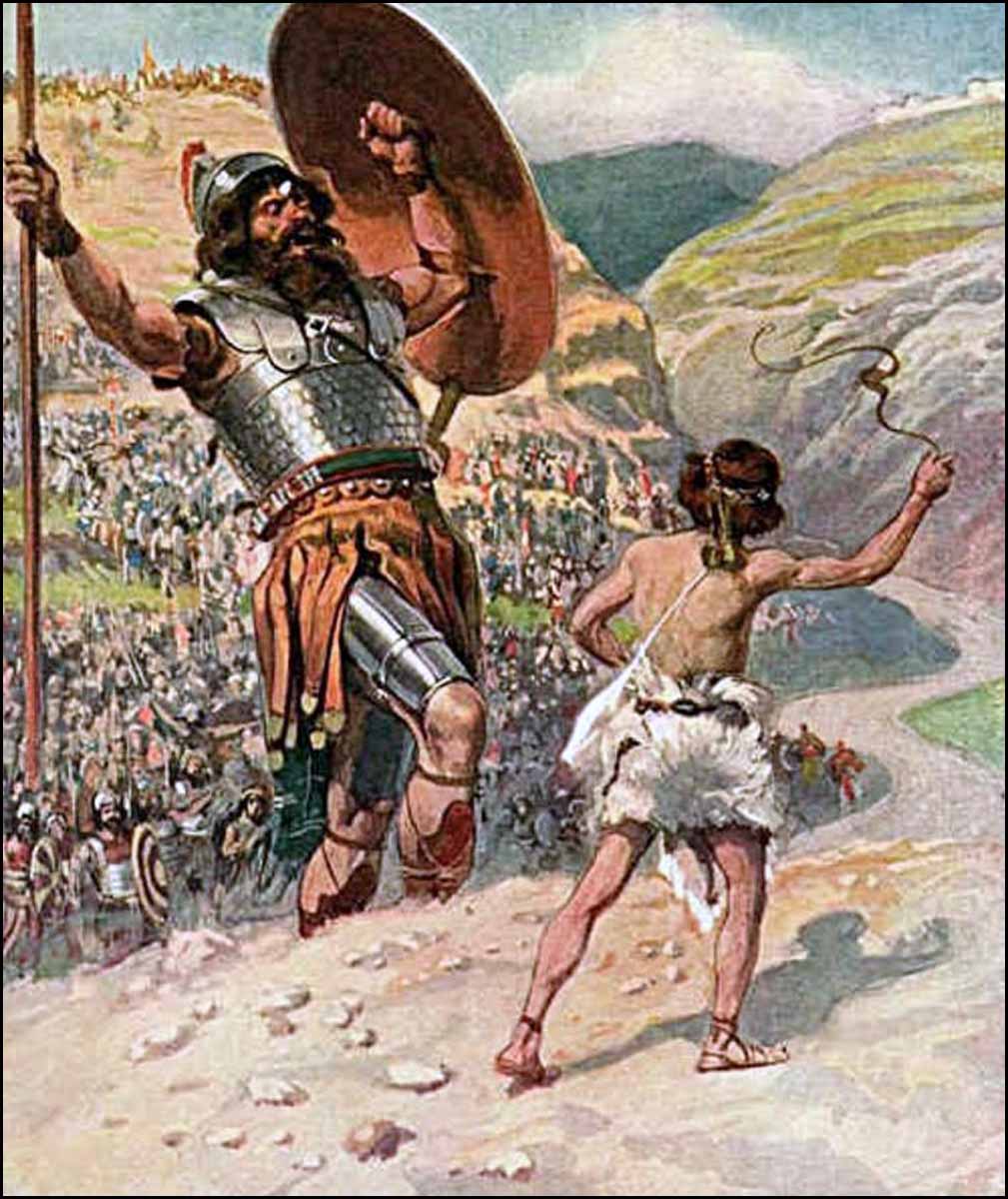
For example, the life of King David shows both heroic faith and moral failure. He defeats Goliath with courage yet later falls into sin involving Bathsheba and Uriah. This balanced portrayal prevents readers from idolizing leaders and instead points them toward dependence on God rather than human perfection.
Understanding how this narrative balance works can deepen our spiritual reflection and protect us from unrealistic expectations of human leaders.
1. Scripture Shows Both Strengths and Failures
One of the most powerful ways the Bible prevents idealizing leaders is by honestly presenting their failures alongside their achievements.
Examples of Balanced Portrayals
-
King David
-
Courageously defeats Goliath.
-
Writes many Psalms expressing deep faith.
-
Commits adultery and arranges the death of Uriah.
-
-
Moses
-
Leads Israel out of Egypt.
-
Receives the Law on Mount Sinai.
-
Disobeys God and is not allowed to enter the Promised Land.
-
These stories reveal that even the greatest leaders are deeply human. By highlighting both triumphs and failures, Scripture teaches readers not to place ultimate trust in human figures.
2. It Redirects Faith Toward God, Not People
When leaders are portrayed as imperfect, readers are reminded that ultimate authority belongs to God alone.
Why This Matters
If biblical leaders were depicted as flawless heroes, readers might:
-
Place excessive trust in human authority
-
Assume leaders are spiritually superior
-
Develop unrealistic expectations
Instead, the Bible consistently redirects attention toward divine leadership.
Key Lessons
-
God remains faithful even when leaders fail.
-
Spiritual authority ultimately belongs to God.
-
Faith must rest in God’s character, not human performance.
This approach encourages humility and spiritual maturity among readers.
3. It Encourages Discernment in Leadership
Balanced storytelling also teaches readers how to evaluate leaders wisely.
Rather than blindly following authority figures, Scripture invites thoughtful discernment.
Signs of Healthy Leadership
-
Humility before God
-
Willingness to repent
-
Commitment to justice
-
Dependence on divine guidance
When readers see both the successes and failures of leaders, they learn that true leadership is measured by character and faithfulness rather than status or power.
4. It Highlights the Importance of Repentance
Another way this balance protects readers is by emphasizing repentance rather than perfection.
The story of King David illustrates this clearly. After his moral failure involving Bathsheba, David openly repents and turns back to God.
This teaches an essential truth:
Great leaders are not those who never fail, but those who return to God when they do.
Spiritual Lessons from Repentance
-
Failure does not end God’s work in a person’s life.
-
Honest confession restores relationship with God.
-
Humility is essential for leadership.
Readers therefore learn to value repentance more than outward success.
5. It Prevents the Creation of Human Idols
Idealizing leaders can easily turn them into idols—figures admired beyond what is healthy or appropriate.
Scripture actively resists this tendency by:
-
Revealing leaders’ weaknesses
-
Showing consequences for their mistakes
-
Demonstrating God’s ultimate authority
This approach protects readers from a dangerous mindset that elevates human figures above their proper place.
Why Idolizing Leaders Is Dangerous
-
It ignores human fallibility.
-
It discourages personal responsibility.
-
It shifts focus away from God.
Balanced narratives remind readers that no human leader deserves absolute devotion.
6. It Creates Relatable Role Models
Interestingly, imperfect leaders often inspire readers more deeply than flawless heroes.
When readers see struggles, doubts, and failures, they recognize their own experiences reflected in these stories.
Benefits of Realistic Role Models
-
Encourages personal growth
-
Provides hope after failure
-
Demonstrates God’s patience
This realism shows that God works through ordinary people with weaknesses and limitations.
7. It Points Toward the Need for Perfect Leadership
Ultimately, the imperfect nature of biblical leaders points toward a deeper theological message: humanity needs a perfect leader.
In Christian theology, this role is fulfilled by Jesus Christ, whose life demonstrates perfect obedience and love.
While human leaders fall short, Jesus represents the ideal model of leadership grounded in humility, sacrifice, and divine authority.
This contrast reinforces the central message of Scripture:
Human leaders may guide, but God alone saves.
Conclusion
The Bible’s balanced portrayal of human leaders serves a profound purpose. By showing both the strengths and failures of figures like King David and Moses, Scripture protects readers from idealizing them.
Instead of encouraging hero worship, these narratives teach:
-
humility in leadership
-
discernment in following authority
-
repentance after failure
-
trust in God above all
This balance ultimately redirects attention from human greatness to divine faithfulness. Readers learn that while leaders may inspire and guide, true hope and authority belong to God alone.
Comments are closed.