How the Thunderstorm During Harvest Symbolizes God’s Displeasure

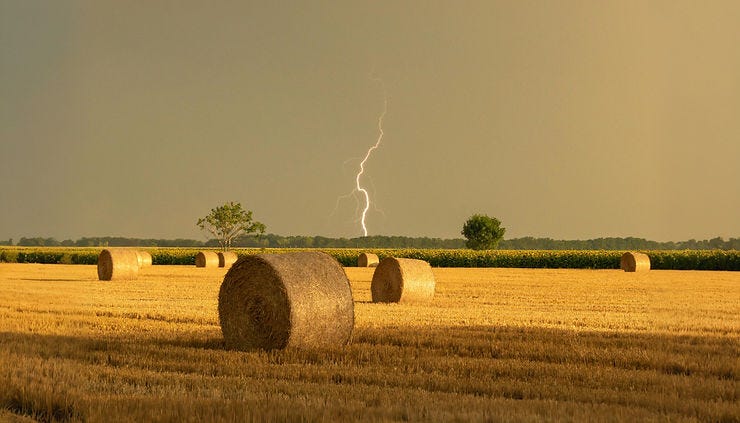

The thunderstorm that occurred during the wheat harvest in First Book of Samuel 12:16–18 is a powerful biblical moment that illustrates God’s displeasure with Israel’s actions. At this point in Israel’s history, the people had demanded a human king instead of trusting God as their true ruler. Through the prophet Samuel the Prophet, God responded with an extraordinary sign: thunder and rain during the wheat harvest.
This event was not merely a natural storm. It was a divine demonstration meant to awaken the people’s conscience and reveal the seriousness of their disobedience. By sending an unusual storm during harvest season, God showed that He was displeased with Israel’s rejection of His kingship.
Below is a detailed exploration of how this thunderstorm symbolized God’s displeasure and served as a spiritual warning to His people.
The Historical Context of the Thunderstorm
Before understanding the symbolism of the storm, it is important to consider the situation that led to it.
In First Book of Samuel 8, the Israelites asked for a king so they could be like other nations. Although God allowed this request, He made it clear that it represented a rejection of His direct rule over them.
By the time we reach chapter 12:
-
Saul had already been anointed as king.
-
Samuel delivered a farewell speech to Israel.
-
He reminded the people of God’s faithfulness throughout their history.
Samuel then said:
“Is it not wheat harvest today? I will call on the Lord to send thunder and rain so that you may realize what an evil thing you did in asking for a king.”
Immediately after Samuel prayed, God sent thunder and rain, and the people became afraid because they realized the seriousness of their sin.
Why a Thunderstorm During Harvest Was Significant
The storm was especially powerful because it happened during wheat harvest, a season when rain was extremely rare in Israel.
1. Wheat Harvest Occurred During the Dry Season
In ancient Israel, the wheat harvest usually took place between May and June, a period known for dry and stable weather.
Rain during this time was:
-
Unexpected
-
Potentially destructive to crops
-
Seen as abnormal
Therefore, when thunder and rain suddenly appeared, the people immediately recognized it as a supernatural act of God rather than a normal weather event.
2. The Storm Threatened Their Provision
Harvest represented:
-
Food supply for the year
-
Economic stability
-
Blessing from God
A storm during harvest could damage crops and threaten survival. By sending a storm at this moment, God showed that the blessings they enjoyed ultimately depended on Him.
The Thunderstorm as a Sign of Divine Displeasure
The storm symbolized God’s displeasure in several important ways.
1. It Revealed the Seriousness of Israel’s Sin
Israel believed that asking for a king would make them stronger and more secure. However, their request revealed a deeper problem: a lack of trust in God.
The thunderstorm served as a dramatic reminder that:
-
God was still sovereign over nature.
-
Human kings could not replace divine authority.
-
Their decision carried spiritual consequences.
The sudden storm made the people realize that their request had been a rejection of God’s rule.
2. It Demonstrated God’s Power Over Creation
By controlling the weather, God showed that He remained the true King of Israel, even though the people had chosen a human ruler.
The thunder and rain proved that:
-
God commands nature.
-
His authority cannot be replaced by human leadership.
-
He alone controls blessing and judgment.
This divine display reminded the Israelites that no earthly king could rival God’s power.
3. It Awakened Fear and Repentance
After witnessing the storm, the people responded with fear and humility.
The Bible records that the people said:
-
“Pray to the Lord your God for your servants so that we will not die.”
-
“For we have added to all our sins the evil of asking for a king.”
This reaction shows that the storm successfully awakened a sense of repentance and reverence.
The people suddenly recognized:
-
Their mistake
-
God’s authority
-
Their need for forgiveness
The Storm as Both Judgment and Mercy
Although the thunderstorm symbolized God’s displeasure, it also revealed His mercy.
Samuel’s Message of Hope
After the storm, Samuel reassured the people:
-
Do not turn away from the Lord.
-
Serve Him faithfully.
-
God will not abandon His people.
This shows that the storm was not meant to destroy Israel but to correct them.
God used the storm as:
-
A warning
-
A call to repentance
-
A reminder of His authority
Even in discipline, God continued to show His grace.
Spiritual Lessons from the Harvest Thunderstorm
This biblical event contains important lessons for believers today.
1. God Desires Trust Rather Than Human Dependence
Israel wanted security in a human king instead of trusting God. The storm reminds believers that true security comes from God alone.
2. God Uses Unusual Circumstances to Get Our Attention
Sometimes God allows unexpected events to wake people spiritually. Just as the storm shocked Israel, challenging situations can prompt people to reconsider their relationship with God.
3. Reverence for God Is Essential
The people’s fear after the storm was not merely terror—it was reverence and recognition of God’s holiness. True faith includes humility before God’s authority.
Conclusion
The thunderstorm during the wheat harvest was far more than a dramatic weather event. It was a powerful symbol of God’s displeasure with Israel’s rejection of His rule. By sending thunder and rain during a normally dry season, God demonstrated His authority, exposed the seriousness of their sin, and called the people back to repentance.
At the same time, the storm revealed God’s mercy. Instead of abandoning Israel, He used the event to teach them a lasting lesson about trust, obedience, and reverence.
Ultimately, the harvest thunderstorm reminds readers that God remains sovereign over both nature and human history, and He continues to call His people to faithfulness.
In what ways does Samuel’s farewell speech serve as a spiritual and moral warning?
Comments are closed.