How the Inclusion of Ruth, a Moabite, in the Genealogy of David Reflects God’s Plan for Israel and the Inclusion of Gentiles in His Redemptive Plan
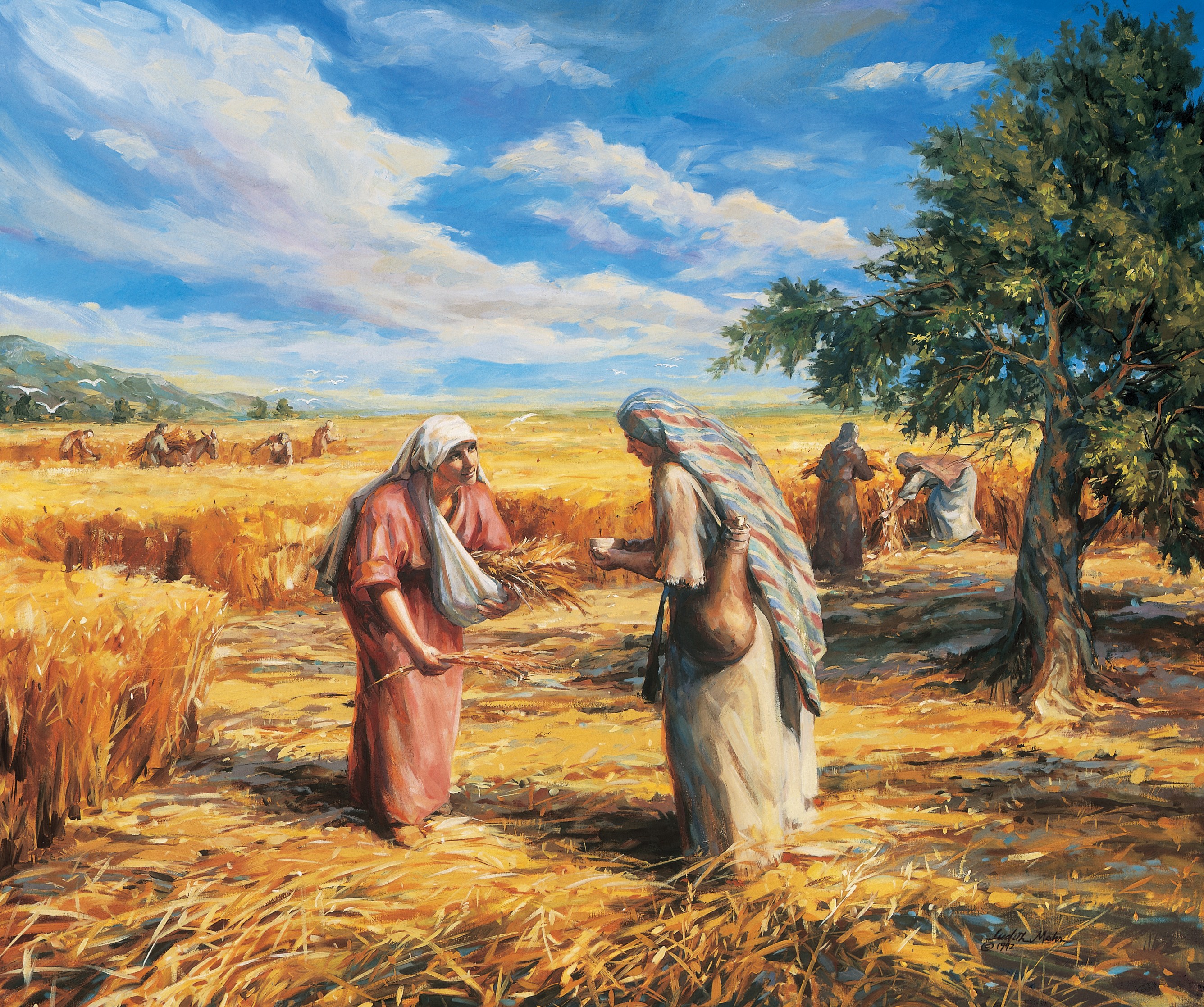

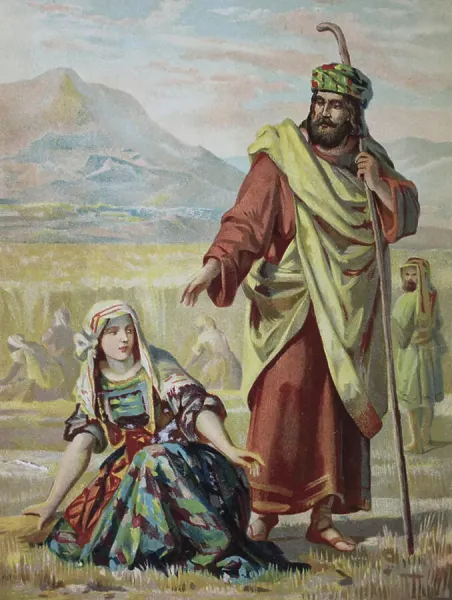
The story of Book of Ruth is one of the most remarkable narratives in the Bible. It tells how Ruth, a foreign woman from Moab, became part of the lineage of David, Israel’s greatest king. This inclusion is not accidental; rather, it reveals God’s larger redemptive plan—one that ultimately includes both Israel and the nations.
In a period when Israel was struggling with spiritual instability during the time of the judges, Ruth’s story demonstrates God’s sovereignty, grace, and the surprising way He incorporates Gentiles into His covenant purposes.
1. The Background of Ruth’s Story
The events of Ruth occur during the era described in the Book of Judges, a time marked by moral chaos and repeated cycles of disobedience in Israel.
Key Background Elements
-
A famine forced an Israelite family from Bethlehem to migrate to Moab.
-
The family consisted of Naomi, her husband Elimelech, and their sons.
-
After tragedy struck and the men died, Naomi decided to return to Bethlehem.
-
Ruth, though a Moabite widow, chose to remain with Naomi and follow the God of Israel.
One of the most powerful statements of faith in the Old Testament occurs when Ruth declares:
“Your people shall be my people, and your God my God.”
This commitment shows that Ruth did not merely follow Naomi geographically; she embraced Israel’s faith and covenant.
2. Ruth the Moabite: A Surprising Inclusion
The inclusion of Ruth in Israel’s history is striking because the Moabites had a complicated relationship with Israel.
Historical Tension Between Israel and Moab
-
Moab descended from Lot.
-
Moab opposed Israel during the wilderness journey.
-
Moabite influence led Israel into idolatry at Baal Peor.
Because of these tensions, Moabites were often viewed with suspicion within Israelite society. Yet Ruth’s character—marked by loyalty, humility, and faith—transcended ethnic boundaries.
Her story demonstrates that God’s acceptance is not based on nationality but on faith and devotion.
3. Ruth’s Marriage and the Lineage of David
When Ruth returned to Bethlehem with Naomi, she worked by gleaning grain in the fields of Boaz, a wealthy relative of Naomi’s husband.
Boaz as the Kinsman-Redeemer
Boaz fulfilled the role of a kinsman-redeemer, a relative who had the legal responsibility to restore family inheritance and protect vulnerable relatives.
Through this redemption:
-
Boaz married Ruth.
-
Their union restored Naomi’s family line.
-
Ruth became integrated into Israel’s covenant community.
Genealogy Leading to David
The final verses of Ruth reveal a crucial genealogical connection:
-
Boaz and Ruth had a son named Obed.
-
Obed became the father of Jesse.
-
Jesse became the father of David.
This means that a Moabite woman became the great-grandmother of Israel’s greatest king.
4. Theological Significance of Ruth in David’s Genealogy
Ruth’s presence in David’s genealogy is not merely historical; it carries deep theological meaning.
1. God’s Sovereign Plan
God used unexpected individuals and circumstances to accomplish His purposes. A foreign widow became a crucial part of Israel’s royal lineage, showing that God’s plans often unfold in surprising ways.
2. Faith Over Ethnicity
Ruth demonstrates that covenant participation is grounded in faith rather than ethnicity. Her devotion to Israel’s God brought her fully into the community of God’s people.
3. Redemption Through Grace
The story reflects a pattern of redemption:
-
Naomi’s bitterness becomes restoration.
-
Ruth’s poverty becomes blessing.
-
A foreigner becomes part of Israel’s royal family.
This pattern foreshadows the broader theme of salvation throughout Scripture.
5. Foreshadowing the Inclusion of Gentiles
The story of Ruth anticipates a much larger biblical theme: the inclusion of Gentiles in God’s redemptive plan.
Evidence of This Theme
-
God’s Promise to Abraham
God promised Abraham that all nations would be blessed through his descendants. -
Ruth as an Early Example
Ruth represents the nations being welcomed into God’s covenant through faith. -
David’s Line Leading to the Messiah
David’s royal lineage ultimately leads to Jesus Christ, whose mission extended salvation to all nations.
In fact, the genealogy of Jesus recorded in the Gospel of Matthew explicitly mentions Ruth, highlighting her importance in God’s redemptive history.
6. Ruth as a Model of Faith and Covenant Loyalty
Ruth’s life demonstrates qualities that reflect the heart of God’s covenant.
Key Characteristics of Ruth
-
Loyalty – She remained faithful to Naomi despite hardship.
-
Humility – She worked diligently in the fields.
-
Faith – She embraced Israel’s God wholeheartedly.
-
Courage – She entered a foreign culture and trusted God’s provision.
These virtues made her an ideal participant in God’s unfolding plan.
7. The Broader Message for Israel
For the original readers in Israel, Ruth’s story communicated important lessons.
Lessons for Israel
-
God’s purposes are larger than ethnic boundaries.
-
Faithfulness matters more than ancestry.
-
God can use outsiders to accomplish His plans.
-
The covenant community should welcome those who genuinely follow God.
Thus, Ruth’s inclusion served as both a theological message and a social challenge for Israel.
8. Conclusion
The inclusion of Ruth, a Moabite, in the genealogy of King David reveals the breadth of God’s redemptive plan. Her story demonstrates that God’s covenant purposes extend beyond Israel to embrace people from every nation who place their faith in Him.
Through Ruth’s loyalty and faith, God transformed a foreign widow into the ancestor of Israel’s greatest king and ultimately into the lineage leading to the Messiah. Her story therefore stands as a powerful testimony that God’s plan of redemption has always included the nations.
Ruth’s journey from Moab to Bethlehem illustrates a timeless truth: God welcomes all who trust in Him, regardless of their background.
How does the Book of Ruth’s brevity (four chapters) enhance its message of redemption and grace?
Comments are closed.