How the Book of Ruth Contributes to the Larger Biblical Narrative of the Coming Messiah Through the Davidic Line


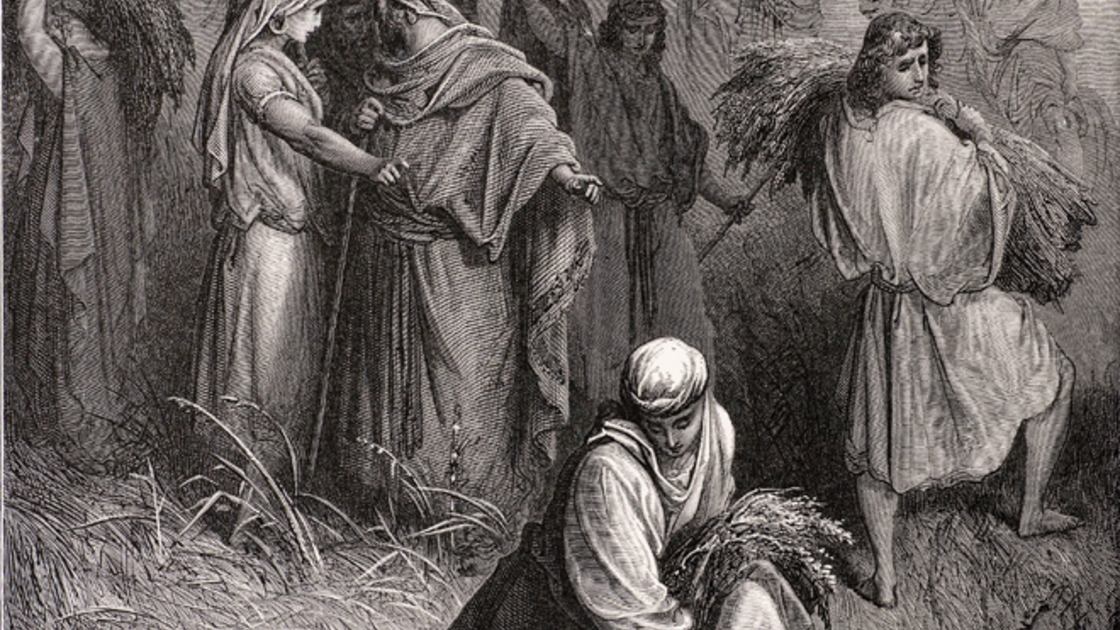
The Book of Ruth is one of the most beautiful and theologically significant narratives in the Bible. Although it is a short book with only four chapters, it plays a crucial role in the broader biblical story that leads to the coming of the Messiah. Set during the turbulent era described in the Book of Judges, Ruth provides a hopeful contrast to the chaos of that time and connects directly to the royal lineage of King David and ultimately Jesus Christ.
Through themes of loyalty, redemption, providence, and genealogy, the Book of Ruth reveals how God worked through ordinary individuals to prepare the way for the Messiah.
Historical Context of the Book of Ruth
The story of Ruth occurs “in the days when the judges ruled,” a period characterized by moral decline and social instability in Israel. The closing statement of Judges summarizes the era: “Everyone did what was right in his own eyes.”
Against this backdrop of disorder, the Book of Ruth highlights faithfulness and righteousness through a small family living in Bethlehem.
Key figures in the narrative include:
-
Ruth – a Moabite widow who demonstrates extraordinary loyalty.
-
Naomi – an Israelite woman who returns to Bethlehem after suffering personal loss.
-
Boaz – Naomi’s relative who becomes Ruth’s redeemer.
This story unfolds in everyday settings—fields, homes, and city gates—but its outcome affects the entire biblical narrative.
Ruth’s Faith and Inclusion in God’s Covenant
One of the most remarkable aspects of the Book of Ruth is that Ruth was not originally an Israelite. She was from Moab, traditionally considered outside the covenant community of Israel.
Despite this background, Ruth makes a profound declaration of faith:
“Your people will be my people, and your God my God.”
This statement demonstrates her wholehearted commitment to the God of Israel. Ruth’s inclusion in the biblical story illustrates several important theological truths:
Key Lessons
-
God’s plan includes people from all nations.
-
Faith, not ethnicity, defines participation in God’s covenant.
-
Outsiders who demonstrate faithfulness can play central roles in God’s purposes.
This foreshadows the later message of the gospel, where salvation through Jesus Christ is extended to all nations.
The Role of Boaz as the Kinsman-Redeemer
Another significant theme in the Book of Ruth is the concept of the kinsman-redeemer, a relative responsible for rescuing a family member from poverty or hardship.
In the story:
-
Naomi’s family line is at risk of disappearing.
-
Ruth is a vulnerable widow without protection.
-
Boaz steps in to redeem the family’s property and marry Ruth.
Boaz’s role reflects the Hebrew concept of redemption, where a close relative restores family stability.
Symbolic Significance
Boaz’s actions symbolically point toward the greater redemption accomplished by Jesus Christ:
-
Boaz redeems Ruth and Naomi from poverty.
-
Christ redeems humanity from sin.
-
Boaz acts out of compassion and covenant loyalty.
-
Christ fulfills ultimate redemption through sacrifice.
Thus, the story of Ruth functions as a powerful preview of the redemptive work of the Messiah.
Ruth and the Genealogy of King David
The most direct connection between the Book of Ruth and the coming Messiah appears in the genealogy at the end of the book.
Ruth 4 records the lineage:
-
Boaz and Ruth have a son named Obed.
-
Obed becomes the father of Jesse.
-
Jesse becomes the father of King David.
This genealogy establishes Ruth as the great-grandmother of King David, the most celebrated king in Israel’s history.
Because God promised that the Messiah would come from David’s lineage (often called the Davidic covenant), Ruth becomes an essential link in the chain leading to the Messiah.
Bethlehem: The Birthplace of a King
The Book of Ruth also highlights the importance of Bethlehem, the town where the story takes place.
Bethlehem becomes significant in two major ways:
-
It is the hometown of King David.
-
It later becomes the birthplace of Jesus Christ.
This geographic continuity strengthens the narrative connection between Ruth’s story and the arrival of the Messiah centuries later.
The Davidic Line and the Messiah
The Old Testament repeatedly promises that a future king from David’s line will rule forever.
This promise is fulfilled in the New Testament when the genealogy of Jesus traces His lineage back to David—and through David, back to Ruth and Boaz.
Two key genealogies confirm this:
-
Gospel of Matthew traces Jesus’ royal lineage.
-
Gospel of Luke records another genealogical line linking Jesus to David.
In these genealogies, Ruth is one of the few women specifically mentioned, highlighting her importance in the messianic story.
Themes That Point Toward the Messiah
Several themes in the Book of Ruth foreshadow the coming of the Messiah.
1. Redemption
Boaz redeems Ruth and Naomi, symbolizing the greater redemption that Christ brings.
2. Grace to Outsiders
Ruth, a foreigner, becomes part of God’s chosen people, anticipating the inclusion of the Gentiles in salvation.
3. Divine Providence
Although God rarely appears directly in the narrative, His guidance is evident in every event—from Ruth’s arrival in Boaz’s field to the birth of Obed.
4. Hope During Dark Times
During the chaotic era of the Judges, Ruth shows that God was quietly preparing the future kingly line.
Theological Significance in the Biblical Narrative
The Book of Ruth serves as a bridge between the period of the Judges and the rise of Israel’s monarchy.
Its importance includes:
-
Explaining the ancestry of King David
-
Demonstrating God’s providence in history
-
Foreshadowing redemption through Christ
-
Showing that faithfulness matters even in dark times
By connecting Ruth to David and David to Jesus, the book becomes an essential link in the biblical story of salvation.
Conclusion
Although the Book of Ruth is brief, its contribution to the larger biblical narrative is profound. Through the faithful lives of Ruth, Naomi, and Boaz, God preserved a family line that would lead to King David and eventually to Jesus Christ, the promised Messiah.
The story reveals that God often works through ordinary people and everyday events to accomplish extraordinary purposes. Ruth’s faith, Boaz’s redemption, and the genealogy at the end of the book all point forward to the fulfillment of God’s redemptive plan through the Davidic line.
Thus, the Book of Ruth is not merely a touching story of loyalty and love—it is a crucial chapter in the unfolding story of the Messiah.
Comments are closed.