Saul’s Rash Oath and the Near Death of Jonathan (1 Samuel 14)
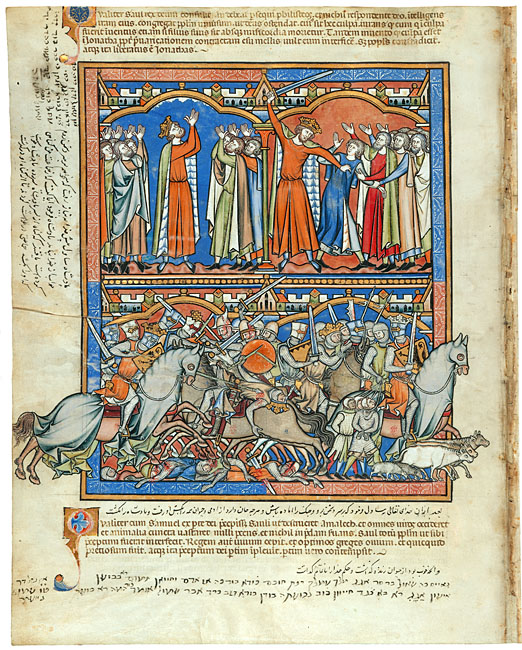


The story of Saul and his son Jonathan in First Book of Samuel chapter 14 reveals the dangers of impulsive leadership and poorly considered spiritual vows. Saul’s rash oath during a military campaign against the Philistines nearly resulted in the death of his own son. This dramatic episode illustrates the consequences of hasty decisions, the tension between authority and wisdom, and the importance of discernment in leadership.
Background: Israel’s Battle Against the Philistines
At this point in the biblical narrative, Saul was the first king of Israel and was engaged in ongoing conflict with the Philistines. The Philistines were a powerful enemy, and Israel’s army was often smaller and less equipped.
Jonathan, Saul’s son, demonstrated great courage and faith in God. Without informing his father, he launched a bold attack with only his armor-bearer against a Philistine outpost. Trusting in God’s power, Jonathan declared that the Lord can save “by many or by few.”
Because of this faith-filled action:
-
The Philistine garrison was thrown into confusion.
-
God caused panic among the enemy forces.
-
Israel gained a significant advantage in the battle.
Ironically, the victory began through Jonathan’s faith, but Saul’s later decision almost destroyed the hero of the battle.
Saul’s Rash Oath During the Battle
During the intense pursuit of the Philistines, Saul made a sudden and extreme oath:
“Cursed be the man who eats food before evening comes, before I have avenged myself on my enemies.” (1 Samuel 14:24)
This command meant:
-
None of the soldiers could eat during the battle.
-
The army had to continue fighting while hungry and exhausted.
-
The oath applied to everyone—even unknowingly.
Saul likely intended this oath to motivate the soldiers and ensure total focus on defeating the enemy. However, the decision proved to be impractical and harmful.
Negative Effects of Saul’s Oath
The command produced several unintended consequences:
-
Physical exhaustion: Soldiers became weak from hunger.
-
Reduced effectiveness: The army struggled to continue fighting.
-
Moral pressure: Fear of breaking the oath prevented soldiers from eating even when food was available.
Instead of strengthening the army, Saul’s decision weakened it.
Jonathan Unknowingly Breaks the Oath
While moving through a forest during the pursuit, Jonathan encountered honey dripping on the ground. Because he had not heard Saul’s oath, he dipped the tip of his staff into the honey and tasted it.
Immediately:
-
His strength returned.
-
His eyes “brightened,” indicating renewed energy.
However, the soldiers who were with him warned him that his father had placed the army under a curse if anyone ate before evening.
Jonathan quickly realized the mistake of Saul’s command and responded wisely. He suggested that if the army had been allowed to eat freely, they could have defeated the Philistines even more decisively.
Saul Seeks God but Finds Silence
Later that day Saul attempted to consult God about continuing the battle. However, God did not answer him.
Saul assumed that someone in the army had sinned by breaking the oath. Determined to identify the guilty person, he ordered a sacred lot to be cast.
The lot fell on Jonathan.
This meant that Jonathan—Israel’s bravest warrior that day—had unknowingly violated Saul’s command.
Jonathan Accepts the Consequence
When confronted, Jonathan honestly admitted what he had done:
“I tasted a little honey with the end of the staff that was in my hand. And now I must die!”
His response demonstrates remarkable character:
-
Honesty: He did not attempt to hide his actions.
-
Humility: He accepted the consequences.
-
Respect: He honored his father’s authority despite the injustice.
Saul reacted harshly and declared that Jonathan must die for breaking the oath.
The People Rescue Jonathan
At this critical moment, the soldiers intervened. They recognized that Jonathan had been the instrument of Israel’s victory.
The people protested Saul’s decision and said:
-
Jonathan had worked with God that day.
-
It would be unjust for the hero of the battle to die.
-
God clearly used Jonathan to bring salvation to Israel.
The soldiers ultimately rescued Jonathan, refusing to allow Saul to execute him.
As the text records, “Not a hair of his head shall fall to the ground.”
Lessons from Saul’s Rash Oath
This event teaches several powerful spiritual and leadership lessons.
1. The Danger of Impulsive Decisions
Saul acted quickly without considering the consequences. Leaders must exercise wisdom and patience before making binding commitments.
2. Religious Vows Must Reflect God’s Character
Saul’s oath sounded spiritual but actually harmed his people. True devotion to God should produce wisdom, mercy, and justice.
3. Leadership Requires Discernment
Saul focused on enforcing his oath rather than recognizing the larger purpose of God’s work through Jonathan.
4. God Works Through Faith, Not Human Pressure
Jonathan’s faith and courage brought victory—not Saul’s harsh rule.
5. Community Accountability Matters
The people of Israel courageously stood against Saul’s unjust decision. Their intervention preserved Jonathan’s life.
Spiritual Significance of the Story
This episode marks a turning point in Saul’s leadership. It reveals a pattern that becomes more evident later in the narrative:
-
Saul increasingly acts impulsively.
-
He prioritizes his authority over God’s guidance.
-
His leadership begins to deteriorate.
In contrast, Jonathan represents the kind of faith and humility that God honors. Though he was the king’s son, he trusted God more than royal authority.
Conclusion
Saul’s rash oath nearly resulted in the death of his own son because it was made impulsively and enforced without wisdom. Jonathan unknowingly broke the oath by eating honey during the battle, and Saul initially demanded his execution. However, the people intervened and saved Jonathan, recognizing that he had been used by God to bring victory to Israel.
This story from the First Book of Samuel serves as a powerful reminder that leadership requires wisdom, humility, and careful judgment. It also highlights how genuine faith—like Jonathan’s—can accomplish what rigid authority cannot.
What does Saul’s fear of losing authority reveal about his character?
Comments are closed.