Saul’s Pursuit of David vs. David’s Restraint: A Powerful Lesson in Character and Trust in God

The story of the conflict between King Saul and David in the book of First Samuel presents one of the most dramatic contrasts in biblical leadership. Saul relentlessly pursued David out of jealousy and fear, while David repeatedly chose restraint, mercy, and trust in God. This contrast highlights two opposing attitudes toward power, authority, and faith.
Saul’s pursuit represents insecurity, pride, and misuse of authority, whereas David’s restraint reflects humility, patience, and deep reverence for God’s will. The narrative demonstrates that true leadership and righteousness are revealed not by power but by character.
The Background of Saul’s Pursuit
The tension between Saul and David began after David’s victory over Goliath. David’s growing popularity stirred jealousy in Saul’s heart. When people praised David more than Saul, the king became consumed with fear and envy.
Key reasons for Saul’s pursuit of David
-
Jealousy of David’s success and military victories
-
Fear of losing the throne after learning God had rejected him as king
-
Influence of pride and insecurity
-
Misinterpretation of David as a threat
Saul’s jealousy escalated into obsession. He repeatedly attempted to kill David, even throwing a spear at him in the palace. Eventually, Saul mobilized 3,000 soldiers to hunt David in the wilderness (1 Samuel 24).
This pursuit reveals Saul’s tragic transformation from a chosen king into a ruler driven by fear and anger.
David’s Opportunity for Revenge
One of the most powerful moments in the story occurs in the wilderness of En Gedi.
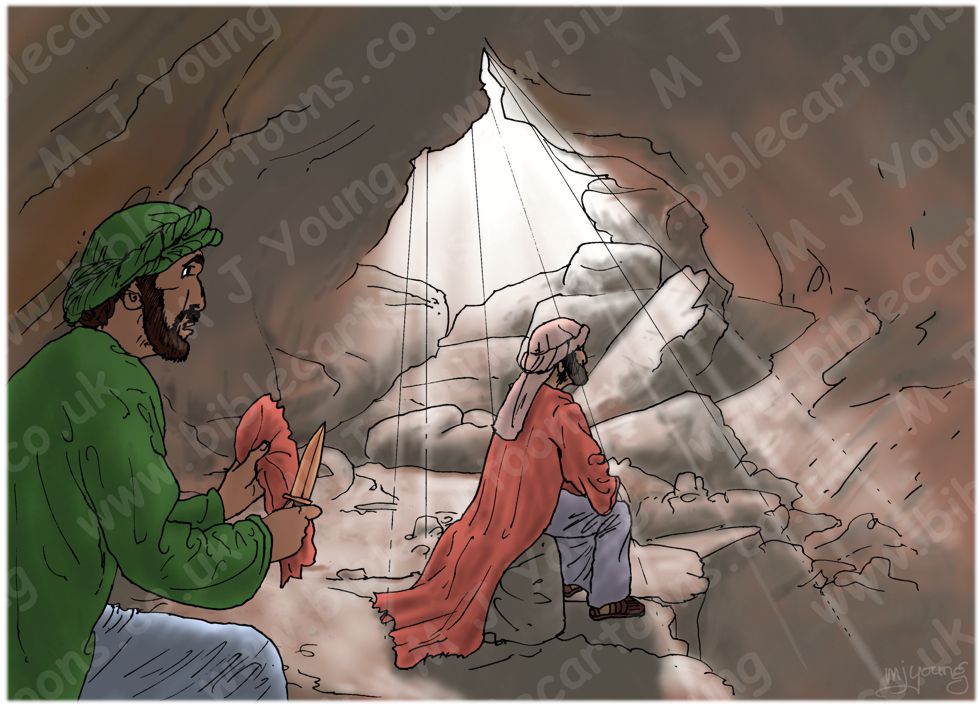
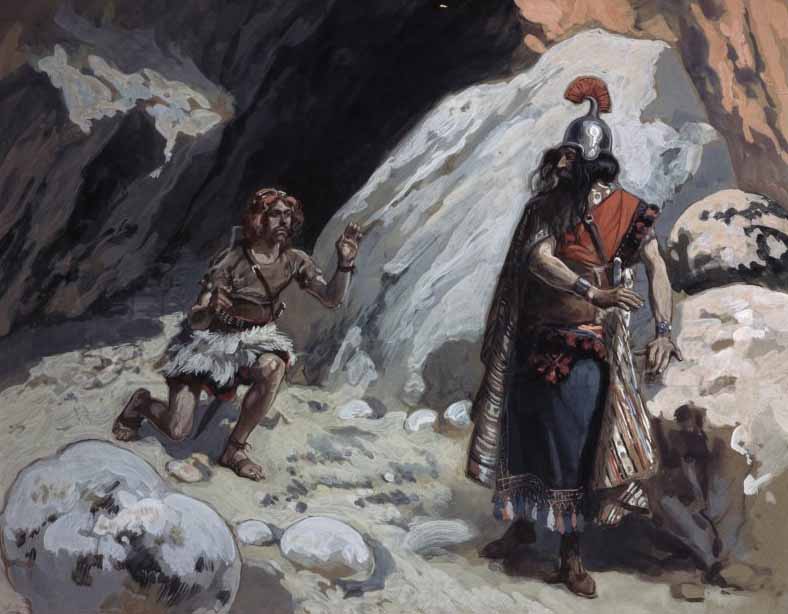
While Saul was searching for David, he unknowingly entered a cave where David and his men were hiding. Saul was completely vulnerable, and David had the perfect opportunity to kill him.
David’s men even encouraged him:
“This is the day the Lord spoke of when he said, ‘I will give your enemy into your hands.’”
However, David did something remarkable.
Instead of killing Saul, he quietly cut off a corner of Saul’s robe and spared his life.
Saul’s Attitude: Power Driven by Fear
Saul’s relentless pursuit of David reveals several weaknesses in his character.
1. Jealousy Controlled His Actions
Saul allowed envy to dominate his decisions. Instead of celebrating David’s success as a blessing to Israel, he saw David as a rival.
Jealousy blinded Saul and pushed him toward destructive behavior.
2. Misuse of Authority
Saul used his royal power for personal revenge rather than national leadership.
Examples include:
-
Sending soldiers to capture or kill David
-
Ordering unjust actions against innocent people
-
Prioritizing his personal vendetta over Israel’s security
This misuse of authority ultimately weakened his kingdom.
3. Lack of Trust in God
Saul knew that God had chosen David as the future king. Instead of accepting God’s will, he tried to fight against it.
His pursuit of David was essentially an attempt to resist God’s plan.
David’s Restraint: Trust and Humility
David’s response to Saul stands in sharp contrast. Even though Saul wanted him dead, David consistently refused to harm him.
1. Respect for God’s Anointed
David explained to his men:
“I will not lay my hand on my lord, because he is the Lord’s anointed.”
Although Saul was acting wickedly, David still respected the position God had given him.
This shows David’s deep reverence for divine authority.
2. Self-Control in the Face of Injustice
David had every reason to seek revenge:
-
Saul had tried to kill him multiple times
-
David had been forced to live as a fugitive
-
His followers urged him to act
Yet David restrained himself.
This reveals remarkable emotional discipline and spiritual maturity.
3. Trust in God’s Timing
David believed that if God wanted him to become king, God would accomplish it in His own way.
Instead of forcing the situation, David waited patiently.
This attitude demonstrated profound faith.
The Moral Contrast Between Saul and David
The story highlights a powerful contrast between two kinds of leadership.
| Saul’s Pursuit | David’s Restraint |
|---|---|
| Driven by jealousy | Guided by humility |
| Misused authority | Respected God’s authority |
| Tried to control the future | Trusted God’s timing |
| Acted from fear | Acted from faith |
| Sought revenge | Chose mercy |
When Saul later realized David had spared him, he admitted:
“You are more righteous than I.” (1 Samuel 24:17)
Even Saul recognized the moral difference between them.
Spiritual Lessons from the Story
The contrast between Saul and David teaches several important spiritual principles.
1. True Character Appears in Difficult Situations
Anyone can act righteously when circumstances are favorable. David’s greatness appears in the moment when he had power to destroy his enemy but chose mercy instead.
2. Revenge Is Not God’s Way
David left justice in God’s hands. This principle appears throughout Scripture: believers are called to trust God rather than take revenge.
3. Leadership Requires Humility
David demonstrated that leadership is not about seizing power but about honoring God and serving others.
4. God’s Plans Cannot Be Stopped
Despite Saul’s efforts, David eventually became king. The story shows that human resistance cannot defeat God’s purposes.
Why This Story Still Matters Today
The story of Saul and David continues to resonate because it reflects struggles people face today:
-
Workplace jealousy
-
Conflicts between leaders
-
Temptations toward revenge
-
The challenge of trusting God’s timing
David’s restraint reminds believers that integrity and patience ultimately lead to God’s blessing.
Rather than responding to hostility with retaliation, the biblical model encourages humility, forgiveness, and faith.
Conclusion
Saul’s pursuit of David and David’s restraint form one of the clearest contrasts in the Bible between destructive leadership and godly character. Saul allowed jealousy and fear to control his actions, while David demonstrated humility, patience, and deep trust in God.
By sparing Saul’s life, David proved that true righteousness is not about defeating enemies but about honoring God even when revenge seems justified.
This story reminds readers that great leaders trust God’s timing, show mercy, and act with integrity—even when they have the power to do otherwise.
Comments are closed.