How Saul’s Physical Appearance Influenced Israel’s Expectations of Leadership
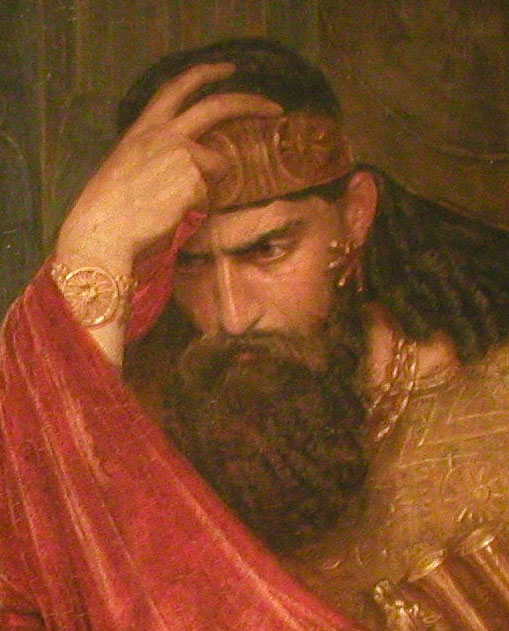
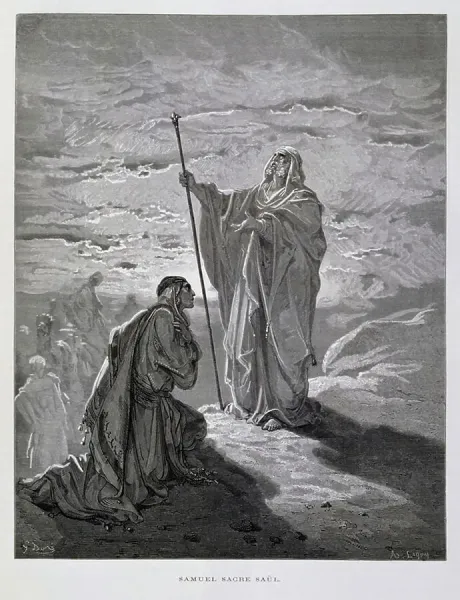
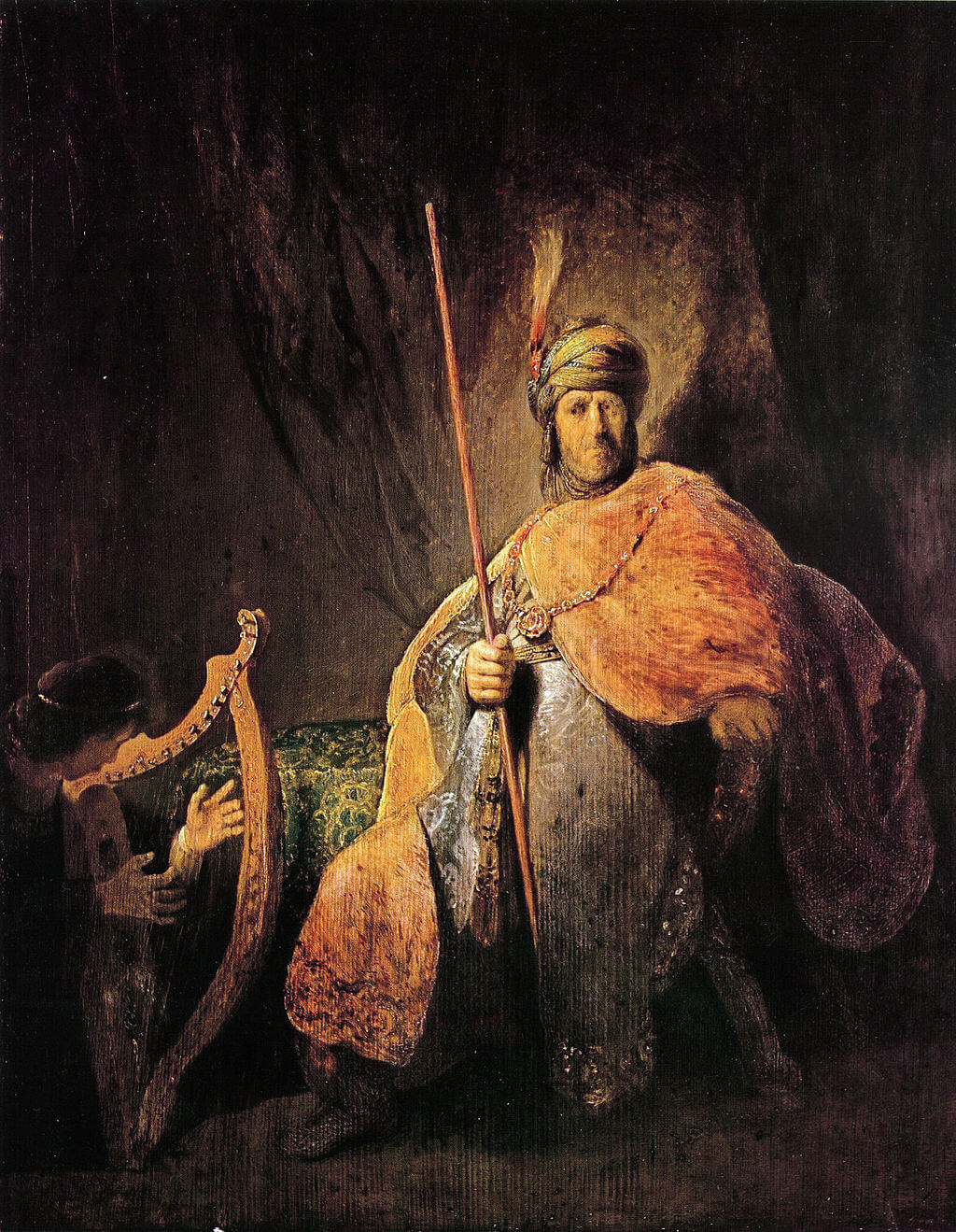
The story of Saul in the book of First Samuel provides an important lesson about how outward appearance can shape people’s expectations of leadership. When the people of Israel demanded a king like the surrounding nations, God chose Saul through the prophet Samuel. One of the first things highlighted in Scripture about Saul was his impressive physical appearance.
The Bible describes Saul as exceptionally tall and handsome, stating that he was “a head taller than anyone else” among the Israelites (1 Samuel 9:2). This outward appearance strongly influenced how the people perceived him as their leader. Israel expected their king to look powerful, confident, and capable of leading them in battle.
However, the story of Saul shows that external qualities alone are not enough to sustain godly leadership. His life becomes a powerful biblical lesson about the difference between appearance and character.
Israel’s Desire for a King Like Other Nations
Before Saul became king, Israel was governed by judges and prophets under God’s direct leadership. However, the people began to desire a human king.
Reasons Israel Wanted a King
-
They wanted a visible leader to guide them in warfare.
-
They wished to be like surrounding nations that had kings.
-
They desired centralized political and military leadership.
When the elders approached the prophet Samuel, they asked for a king who could lead them and fight their battles (1 Samuel 8:20). Their request reflected a growing dependence on human leadership rather than trusting God as their ultimate king.
Because of this expectation, Saul’s appearance seemed to perfectly match what the people wanted.
Saul’s Impressive Physical Appearance
The Bible gives a striking description of Saul’s physical features.
Key Characteristics
-
Tall stature – He stood a head taller than any other Israelite.
-
Handsome appearance – He was described as an attractive young man.
-
Royal presence – His size and strength made him look like a natural leader.
In ancient societies, physical appearance was often associated with strength, courage, and authority. A tall and impressive man would naturally stand out among others and command respect.
For the people of Israel, Saul looked exactly like the kind of king who could lead armies and defeat enemies such as the Philistines.
How Saul’s Appearance Shaped Israel’s Expectations
Saul’s physical qualities caused the people to develop certain expectations about his leadership.
1. Expectation of Military Strength
Because Saul looked strong and imposing, the Israelites believed he would be a powerful warrior.
-
A tall leader symbolized battlefield dominance.
-
People assumed he would inspire confidence among soldiers.
-
His stature suggested he could defeat Israel’s enemies.
This expectation made Saul popular at the beginning of his reign.
2. Expectation of Royal Authority
Saul’s appearance also gave him an immediate sense of authority.
-
People naturally respected him.
-
His physical presence matched their idea of a king.
-
He looked like the rulers of surrounding nations.
In many ways, Saul fulfilled Israel’s external vision of kingship.
3. Expectation of National Unity
The tribes of Israel were often divided, but Saul’s impressive presence helped unify them initially.
-
His leadership gathered the tribes together.
-
His victories over enemies strengthened national pride.
-
The people saw him as a symbol of strength and stability.
For a time, Saul appeared to be the perfect choice for Israel’s first king.
The Problem with Appearance-Based Leadership
While Saul’s appearance initially impressed the people, his story reveals an important spiritual truth: leadership based only on outward qualities cannot sustain a nation.
Over time, Saul demonstrated serious character flaws.
Saul’s Leadership Struggles
-
He became impatient and disobedient to God’s commands.
-
He made impulsive decisions in moments of pressure.
-
He developed jealousy toward David, whom God later chose as his successor.
These weaknesses revealed that Saul’s impressive appearance did not guarantee spiritual maturity or obedience to God.
God’s Different Standard for Leadership
Saul’s story contrasts strongly with the later selection of David. When God chose David, He made a powerful statement about leadership.
In 1 Samuel 16:7, God tells Samuel:
“People look at the outward appearance, but the Lord looks at the heart.”
This verse highlights the key lesson from Saul’s story: God values character, faith, and obedience more than physical appearance.
While Saul looked like a king, David had a heart devoted to God.
Lessons for Leadership Today
The story of Saul still carries important lessons about leadership and expectations.
1. Appearance Can Create False Expectations
People often judge leaders by external qualities such as:
-
charisma
-
confidence
-
physical presence
-
public image
However, these traits do not always reflect true leadership ability.
2. Character Matters More Than Image
Effective leadership requires:
-
integrity
-
humility
-
obedience to God
-
wisdom and patience
Without these qualities, even the most impressive-looking leader can fail.
3. God’s Perspective Is Different from Human Standards
Human beings often focus on visible qualities, but God evaluates the heart.
Saul’s story reminds believers that true leadership flows from spiritual character, not outward appearance.
Conclusion
Saul’s physical appearance strongly influenced Israel’s expectations of leadership. His height, strength, and impressive presence made him look like the ideal king the people desired. For a time, these qualities gave the nation confidence and unity.
However, Saul’s later failures revealed that appearance alone cannot sustain faithful leadership. His story demonstrates that while people often judge by outward qualities, God values the condition of the heart.
Ultimately, the rise and fall of Saul teaches a timeless biblical principle: true leadership is measured not by how someone looks, but by their obedience, humility, and devotion to God.
What warnings does Samuel give concerning the consequences of monarchy?
Comments are closed.