How Samuel’s Statement “Obedience Is Better Than Sacrifice” Defines True Worship
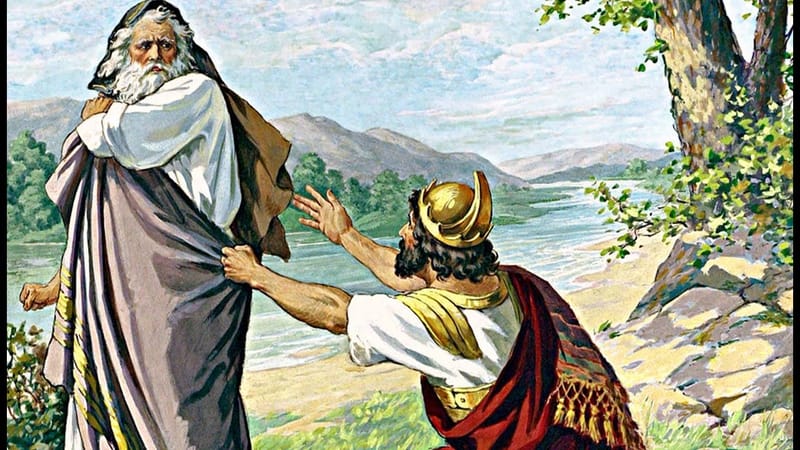


One of the most powerful statements in the Bible about worship comes from Samuel in Book of 1 Samuel 15:22. Speaking to Saul, Samuel declares:
“To obey is better than sacrifice, and to heed is better than the fat of rams.”
This statement reveals a central biblical truth: true worship is not primarily about rituals, offerings, or outward religious actions—it is about sincere obedience to God. The story surrounding this verse provides deep insight into the nature of genuine worship and the danger of substituting religious activity for faithful obedience.
The Biblical Context of Samuel’s Statement
To understand the meaning of Samuel’s declaration, we must look at the situation in which it was spoken.
God commanded King Saul to destroy the Amalekites completely as an act of divine judgment. Saul, however, partially obeyed. He spared the Amalekite king and kept the best animals instead of destroying them as instructed.
When confronted, Saul attempted to justify his actions by claiming that the animals were saved for sacrifice to God. At that moment, Samuel responded with the famous statement that obedience is better than sacrifice.
This confrontation reveals an important spiritual principle: God values obedience to His word more than impressive religious offerings.
Why Obedience Matters More Than Sacrifice
1. Obedience Reflects a Heart That Truly Honors God
Sacrifices in ancient Israel were meant to be expressions of devotion and repentance. However, when sacrifices were offered without obedience, they became meaningless rituals.
True worship requires:
-
Listening to God’s commands
-
Submitting to His authority
-
Living according to His will
A person may perform religious acts—such as prayers, offerings, or ceremonies—but if their life contradicts God’s commands, those acts lose their value.
Samuel’s statement shows that God desires hearts that obey Him, not merely religious performance.
2. Sacrifice Without Obedience Becomes Hypocrisy
Saul attempted to mask disobedience with religious activity. He thought that offering sacrifices could compensate for ignoring God’s command.
Samuel exposed this misunderstanding.
Religious actions cannot replace obedience because:
-
God sees the motives of the heart
-
External rituals cannot hide disobedience
-
Worship without obedience becomes empty tradition
This principle appears throughout Scripture. God repeatedly warns His people that rituals without righteousness are unacceptable.
3. True Worship Is Rooted in Relationship With God
Obedience flows from a relationship with God, not merely from obligation.
When believers truly know and love God, they desire to follow His commands. Worship becomes more than ceremonies—it becomes a lifestyle.
True worship includes:
-
Trusting God’s wisdom
-
Following His instructions
-
Living in humility before Him
Samuel’s statement reminds us that worship is relational, not merely ritualistic.
Saul’s Failure: A Warning About False Worship
Saul’s story illustrates the dangers of substituting religious acts for obedience.
Saul’s Mistakes
-
He partially obeyed God’s command
-
He blamed others for his actions
-
He used sacrifice to justify disobedience
These actions reveal a deeper problem: Saul valued his reputation and personal judgment more than God’s command.
Because of this, God rejected Saul as king.
This teaches an important lesson: partial obedience is still disobedience.
Characteristics of True Worship
Samuel’s declaration helps define what genuine worship looks like.
1. Listening to God’s Voice
True worship begins with hearing and responding to God’s word. Worshippers seek to understand God’s will through Scripture and prayer.
2. Complete Obedience
God does not desire selective obedience. True worship involves following His commands even when they are difficult.
3. Humility Before God
Saul’s pride contributed to his downfall. Genuine worship requires humility and submission to God’s authority.
4. Sincere Devotion
Worship must come from a sincere heart rather than from the desire to impress others.
How This Principle Applies to Believers Today
Although the Old Testament sacrificial system is no longer practiced, the principle behind Samuel’s statement remains deeply relevant.
Modern believers may be tempted to replace obedience with religious activity such as:
-
Attending church regularly
-
Giving offerings
-
Participating in ministries
-
Performing visible acts of devotion
While these practices are valuable, they cannot substitute for a life that follows God’s commands.
True worship today means:
-
Living according to God’s teachings
-
Demonstrating love, justice, and faithfulness
-
Aligning daily decisions with God’s will
In other words, worship extends beyond church services into every area of life.
The Deeper Spiritual Meaning of “Obedience Is Better Than Sacrifice”
Samuel’s statement ultimately reveals the kind of worship God desires.
God seeks worshippers who:
-
Listen carefully to His voice
-
Follow His commands faithfully
-
Offer their lives in devotion to Him
Sacrifices and rituals can express worship, but obedience demonstrates it.
The message is clear: true worship is not about what we offer God externally but about how we obey Him internally.
Conclusion
Samuel’s declaration that “obedience is better than sacrifice” defines true worship by shifting the focus from ritual to relationship and from outward performance to inward faithfulness.
The story of Saul serves as a powerful reminder that religious actions cannot replace obedience to God’s word. Genuine worship requires listening to God, submitting to His authority, and living according to His commands.
Ultimately, the greatest act of worship is a life fully devoted to God—one that reflects love, humility, and faithful obedience.
What does the people’s defense of Jonathan reveal about popular support and justice?
Comments are closed.