How Samuel’s Rebuke Marked the Beginning of Saul’s Decline

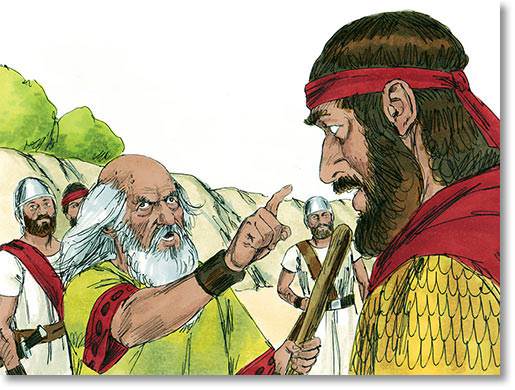

The confrontation between the prophet Samuel and King Saul in 1 Samuel 13 and 1 Samuel 15 is one of the most pivotal moments in Israel’s early monarchy. Samuel’s rebuke did more than expose Saul’s mistake—it revealed a deeper pattern of disobedience, pride, and misplaced priorities that ultimately led to Saul’s downfall as king.
What began as a single act of disobedience soon became the starting point of Saul’s spiritual and political decline. This event teaches profound lessons about leadership, obedience, and the consequences of rejecting God’s word.
The Background: Saul’s Promising Beginning
Before his decline, Saul began his reign with great promise.
-
He was chosen and anointed by God to be Israel’s first king.
-
Initially, he demonstrated humility and courage.
-
He successfully led Israel in battles against their enemies.
-
The Spirit of God empowered him for leadership.
However, over time Saul’s character began to change. Instead of trusting and obeying God completely, he started making decisions based on fear, pressure from people, and personal pride.
This shift in attitude set the stage for Samuel’s powerful rebuke.
Saul’s Disobedience Against God’s Command
The most significant rebuke occurs in 1 Samuel 15, when God commanded Saul to completely destroy the Amalekites and everything belonging to them.
Instead of fully obeying:
-
Saul spared King Agag, the Amalekite ruler.
-
He allowed the soldiers to keep the best livestock.
-
He justified his actions by claiming the animals would be used for sacrifices to God.
At first glance, Saul’s reasoning sounded religious and acceptable. But the real issue was partial obedience, which in God’s eyes is still disobedience.
Samuel confronted Saul with a powerful question:
“Has the Lord as great delight in burnt offerings and sacrifices as in obeying the voice of the Lord? Behold, to obey is better than sacrifice.”
This moment exposed the core problem of Saul’s leadership.
Samuel’s Rebuke: A Turning Point
Samuel’s rebuke was direct, prophetic, and decisive. He explained that Saul’s actions were not just a mistake—they were rebellion against God’s authority.
Samuel declared:
-
Obedience is more important than religious rituals.
-
Rebellion is like the sin of witchcraft.
-
Stubbornness is like idolatry.
Because Saul rejected God’s command, Samuel delivered a shocking announcement:
“Because you have rejected the word of the Lord, He has rejected you as king.”
This statement marked the official beginning of Saul’s decline. Though Saul continued to reign for several years, God had already withdrawn His approval and chosen another king.
Saul’s Response Revealed His Heart
One of the most revealing aspects of this story is Saul’s reaction to the rebuke.
Instead of showing genuine repentance, Saul:
-
Made excuses, blaming the soldiers.
-
Claimed the animals were meant for sacrifice.
-
Admitted his sin only after repeated confrontation.
-
Asked Samuel to honor him in front of the people.
Saul even said:
“I have sinned… but please honor me before the elders of my people and before Israel.”
This statement shows that Saul was more concerned about his public reputation than about restoring his relationship with God.
His response demonstrated that his heart had shifted from humility to pride.
Symbolic Moment: The Tearing of Samuel’s Robe
As Samuel turned to leave, Saul grabbed the prophet’s robe, and it tore.
Samuel immediately used this moment as a prophetic symbol:
-
Just as the robe was torn,
-
God had torn the kingdom away from Saul.
Samuel declared that the kingdom would be given to “one better than you.”
This prophecy pointed to David, the future king who would be known as a man after God’s own heart.
The Consequences of Saul’s Decline
After Samuel’s rebuke, Saul’s leadership steadily deteriorated. Several consequences followed:
1. Loss of God’s Favor
God withdrew His approval and began preparing David as Saul’s replacement.
2. Spiritual Instability
Later chapters describe Saul being troubled and emotionally unstable.
3. Jealousy and Fear
When David became popular, Saul’s insecurity grew into destructive jealousy.
4. Poor Decisions
Saul made increasingly reckless choices, including persecuting David and even consulting a medium.
5. Tragic End
Saul’s life ultimately ended in defeat and despair on the battlefield.
The rebuke by Samuel was the first major sign of this downward spiral.
Spiritual Lessons from Samuel’s Rebuke
This powerful biblical episode offers timeless spiritual insights.
1. Partial Obedience Is Still Disobedience
God expects complete obedience, not selective compliance.
2. Religious Actions Cannot Replace Obedience
Sacrifices, rituals, and appearances cannot compensate for a rebellious heart.
3. Pride Leads to Spiritual Decline
Saul’s fall began when he prioritized his reputation over God’s command.
4. Leadership Requires Humility
Those in positions of authority must remain accountable to God.
5. God Values the Heart
The difference between Saul and David was not perfection but a heart willing to repent and obey.
Conclusion
Samuel’s rebuke marked the turning point in Saul’s reign. What seemed like a single act of disobedience revealed a deeper issue—Saul had begun to value human approval over divine obedience. When Samuel declared that God had rejected Saul as king, the course of Israel’s history changed forever.
This moment reminds believers that obedience, humility, and faithfulness are essential in walking with God. Saul’s story serves as a warning that spiritual decline often begins with small compromises, but its consequences can shape an entire life.
Comments are closed.