How Does Samuel Review Israel’s History to Remind Them of God’s Faithfulness?
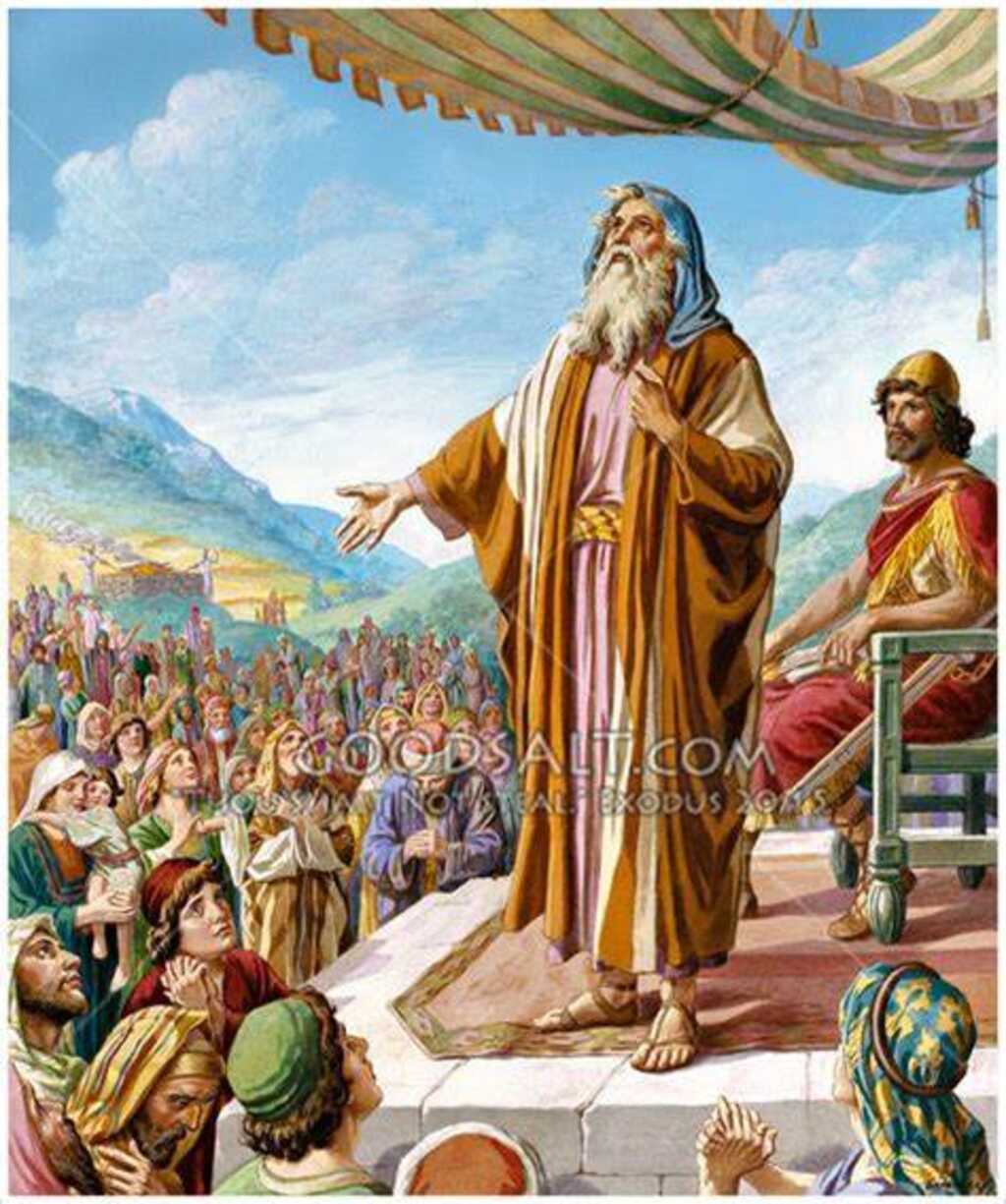
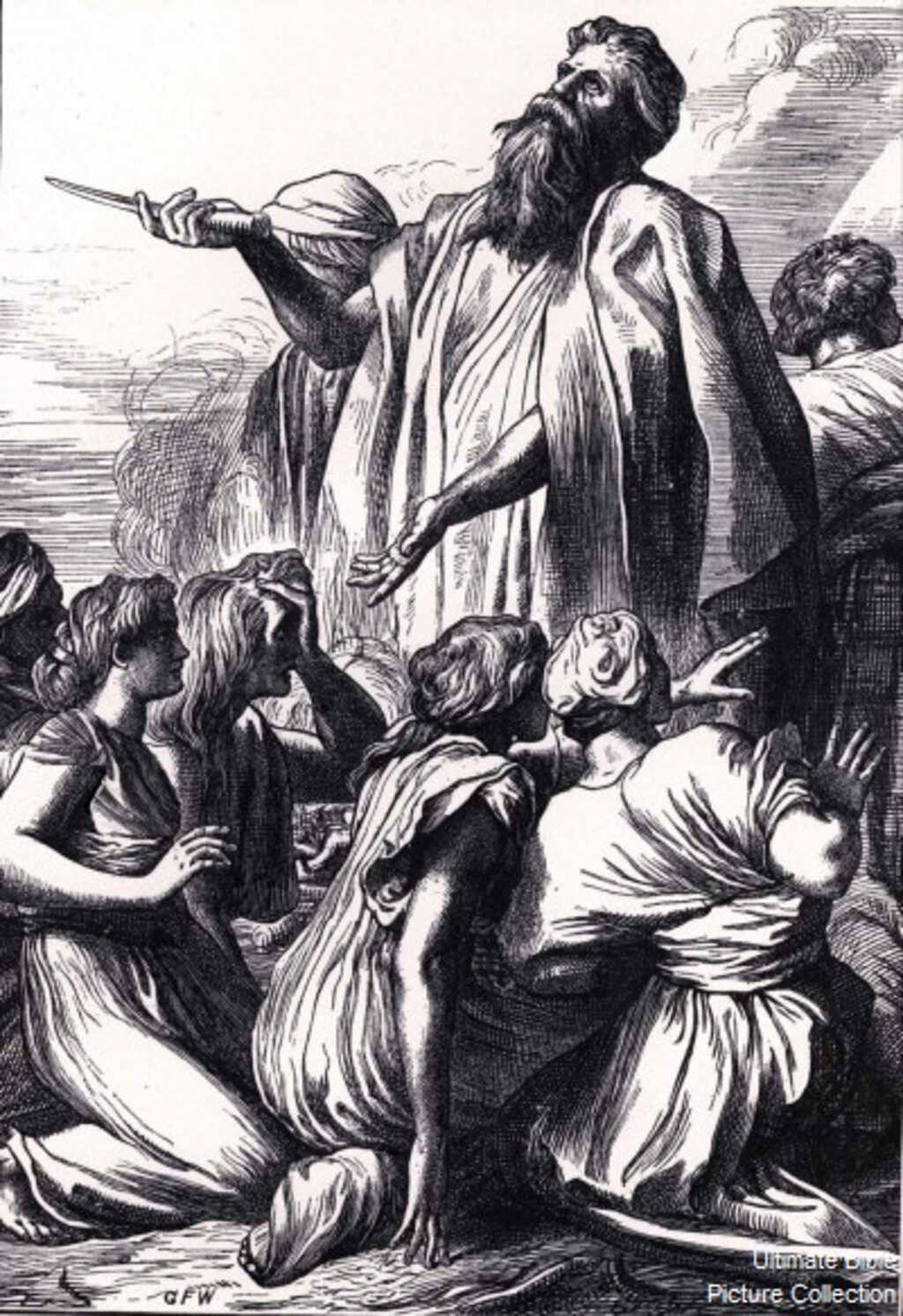

The farewell speech of the prophet Samuel in 1 Samuel 12 is one of the most powerful historical reminders in the Bible. As Israel transitions from the period of judges to a monarchy under King Saul, Samuel calls the people together to reflect on their past. Instead of focusing only on political change, he carefully reviews Israel’s history to highlight a greater truth: God has always been faithful to His people, even when they were unfaithful to Him.
Samuel’s review of history serves as both a warning and an encouragement. By recounting God’s acts of deliverance and Israel’s repeated failures, he reminds the nation that their survival and success have always depended on God’s mercy, guidance, and covenant faithfulness.
1. Samuel Begins with Personal Integrity and Accountability
Samuel first establishes credibility before reviewing Israel’s history. He publicly asks the people if he has ever cheated, oppressed, or taken anything unjustly from them.
Key Points of His Opening Appeal
-
He invites the people to testify against him if he has wronged anyone.
-
The people confirm that Samuel has been honest and just.
-
This establishes that his message is trustworthy and unbiased.
This introduction is important because Samuel wants the people to know that his review of history is not about defending himself or criticizing them unfairly. Instead, he speaks as a faithful servant of God who seeks their spiritual wellbeing.
2. Samuel Reminds Israel of God’s Deliverance from Egypt
Samuel begins the historical review with one of the most important events in Israel’s story: the Exodus.
God’s Faithfulness in the Exodus
-
God raised up Moses and Aaron to lead the Israelites.
-
He delivered them from slavery in Egypt.
-
He brought them safely into the Promised Land.
The Exodus represents God’s power, compassion, and covenant loyalty. By starting with this event, Samuel reminds Israel that their entire national identity exists because God rescued them.
This historical reminder emphasizes that Israel was never self-made; their freedom came solely through God’s intervention and grace.
3. Samuel Recalls Israel’s Repeated Forgetfulness
After highlighting God’s faithfulness, Samuel points out a recurring problem in Israel’s history: they repeatedly forgot the Lord.
Throughout the period of the judges, Israel often turned away from God and followed false gods.
The Pattern Samuel Describes
-
Israel forgot God and worshiped idols.
-
God allowed enemy nations to oppress them.
-
The people cried out for help.
-
God raised up deliverers to rescue them.
This cycle demonstrates two important truths:
-
Human beings are prone to spiritual forgetfulness and rebellion.
-
God remains patient and faithful despite human failure.
Samuel’s historical review helps the people recognize that their struggles were not caused by God’s abandonment but by their own disobedience.
4. Samuel Lists the Judges God Sent as Deliverers
Samuel specifically mentions several leaders whom God raised up to rescue Israel from their enemies.
Deliverers Mentioned in the Review
-
Jerubbaal (Gideon)
-
Barak
-
Jephthah
-
Samuel himself
Each of these leaders represents a moment when God responded to Israel’s cries for help.
What These Judges Represent
-
God’s willingness to forgive.
-
His commitment to protect His people.
-
His power to defeat enemies.
By recalling these judges, Samuel shows that God consistently answered Israel’s prayers and restored them when they repented.
5. Samuel Explains Israel’s Demand for a King
After reviewing God’s past deliverance, Samuel addresses the nation’s recent request for a king.
When the people feared the Ammonite threat, they demanded a king like other nations. However, Samuel reminds them of an important truth:
“The Lord your God was your king.”
In other words, Israel already had the perfect ruler—God Himself.
Why This Request Was Problematic
-
It revealed a lack of trust in God.
-
The people wanted to be like surrounding nations.
-
They prioritized political security over spiritual faithfulness.
Even though their request reflected misplaced trust, God still allowed them to have a king. This shows God’s patience and willingness to work through human choices.
6. Samuel Demonstrates God’s Power with a Sign
To reinforce his message, Samuel calls upon God to send thunder and rain during the wheat harvest—a season when rain was extremely unusual.
When God sends the storm, the people become afraid.
Purpose of the Sign
-
It confirms that Samuel’s message comes from God.
-
It reveals the seriousness of Israel’s request for a king.
-
It reminds the nation that God still controls nature and history.
The miracle strengthens Samuel’s historical review by showing that the same powerful God who worked in the past is still active in the present.
7. Samuel Offers Hope Despite Israel’s Mistake
Even though Samuel confronts the people about their sin, his message ultimately offers hope.
He assures them that God will not abandon them if they remain faithful.
Samuel’s Encouragement
-
Fear the Lord.
-
Serve Him faithfully.
-
Remember the great things He has done.
Samuel also promises to continue praying for them and teaching them the right way to live.
This demonstrates the heart of a faithful spiritual leader—one who warns against sin but also points people back to God’s grace.
8. The Central Message of Samuel’s Historical Review
Samuel’s review of Israel’s history communicates several powerful spiritual lessons:
Key Themes
-
God’s Faithfulness: God repeatedly rescued and guided Israel.
-
Human Weakness: The people often forgot God and turned to idols.
-
Divine Mercy: God continued to forgive and restore them.
-
Call to Obedience: Israel’s future depended on their faithfulness.
By recalling these events, Samuel helps the nation understand that their past proves God’s reliability. Therefore, they can trust Him for their future.
Conclusion
Samuel’s historical review in 1 Samuel 12 is more than a retelling of past events—it is a spiritual reminder of God’s unwavering faithfulness. By recounting the Exodus, the period of the judges, and Israel’s repeated deliverance, Samuel shows that God has always been present, guiding and protecting His people.
At the same time, the review challenges Israel to learn from their history. Their survival has never depended on kings, armies, or political power. Instead, it has always depended on their relationship with God.
Samuel’s message remains relevant today: remembering God’s past faithfulness strengthens faith, encourages repentance, and inspires believers to trust Him for the future.
Why did some Israelites reject Saul’s kingship, and what does this reveal about political division?
Comments are closed.