Divine Providence in the Fields: Ruth’s Unexpected Meeting with Boaz
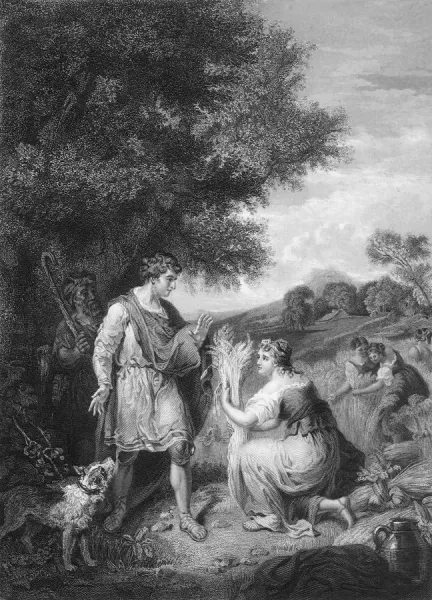
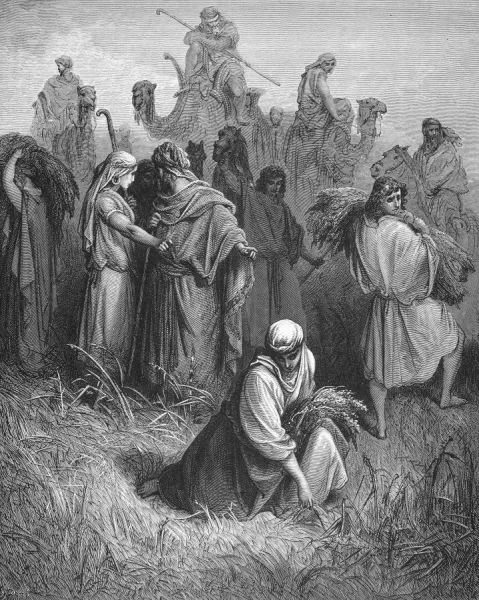

The story of Book of Ruth is one of the most beautiful narratives in the Bible, illustrating themes of loyalty, redemption, kindness, and divine guidance. A pivotal moment occurs when Ruth (biblical figure) unexpectedly meets Boaz (biblical figure) while gleaning in his field. At first glance, this meeting appears to be a simple coincidence. However, the narrative reveals a deeper theological message: God’s providence quietly guiding events to accomplish a greater purpose.
This encounter highlights how divine providence works through ordinary circumstances, transforming a moment of survival into a turning point that shapes Israel’s history.
Understanding Divine Providence in the Book of Ruth
Divine providence refers to God’s unseen guidance and care in directing events according to His purpose. Unlike dramatic miracles seen elsewhere in Scripture, the Book of Ruth demonstrates providence through everyday situations.
Characteristics of divine providence in the story include:
-
God working through ordinary human actions
-
Events appearing accidental but serving a divine plan
-
Blessings emerging from hardship and loss
-
Faithfulness being rewarded in unexpected ways
The meeting between Ruth and Boaz perfectly illustrates this subtle but powerful theme.
Ruth’s Vulnerable Situation Before the Meeting
Before arriving in Boaz’s field, Ruth’s circumstances were extremely difficult.
Key Challenges Ruth Faced
-
She was a widow without financial security
-
She was a foreigner from Moab, often viewed with suspicion in Israel
-
She lived with Naomi (biblical figure), who had also lost her husband and sons
-
She depended on gleaning, collecting leftover grain from fields after harvesters passed
Gleaning was a provision in Israelite law that allowed the poor to gather leftover crops (Leviticus 19:9–10). Ruth went out simply seeking food to support herself and Naomi.
The narrative emphasizes that she “happened” to come to a field belonging to Boaz. This wording is intentionally ironic—it appears accidental, but readers recognize that divine guidance is at work.
The Significance of Ruth “Happening” Upon Boaz’s Field
One of the most striking lines in the story states that Ruth “chanced upon” the field of Boaz. From a human perspective, it seems like luck. Yet within the biblical worldview, this moment reveals God’s hidden hand.
Why This Moment Matters
-
Boaz was a relative of Naomi’s late husband, making him a potential redeemer
-
His field provided safety and provision for Ruth
-
This encounter initiated a relationship that would ultimately lead to marriage
The apparent coincidence becomes a divine arrangement that sets the entire story in motion.
Boaz’s Character as an Instrument of Providence
Divine providence in the Book of Ruth also operates through human character. Boaz’s actions reveal kindness, integrity, and obedience to God’s law.
Ways Boaz Demonstrates God’s Care
-
He welcomes Ruth, even though she is a foreigner
-
He ensures her protection from harassment in the fields
-
He provides extra grain and food for her and Naomi
-
He praises her loyalty to Naomi and her faith
Instead of merely tolerating Ruth’s presence, Boaz actively blesses her. Through his generosity, God’s provision becomes visible in practical ways.
Ruth’s Faithfulness as Part of God’s Plan
Providence does not remove human responsibility. Ruth’s character plays a vital role in how events unfold.
Qualities Ruth Demonstrates
-
Loyalty to Naomi (“Where you go, I will go”)
-
Humility in approaching Boaz
-
Diligence in working from morning until evening
-
Faith in seeking refuge under God’s care
Her decision to work in the fields was motivated by responsibility and love, yet it placed her exactly where God intended.
The Role of Naomi in Recognizing Providence
After Ruth returns home with abundant grain, Naomi immediately perceives the significance of the encounter.
When Naomi learns the owner of the field is Boaz, she recognizes that this meeting is not random.
Naomi’s Insight
-
She identifies Boaz as a kinsman-redeemer, someone who could restore the family line
-
She praises God for His kindness toward the living and the dead
-
She begins guiding Ruth toward a future that brings restoration
Naomi’s realization reinforces the theme that God is actively working behind the scenes.
From Chance Meeting to Redemptive Legacy
The meeting in the fields eventually leads to Ruth and Boaz marrying. Their union produces a son named Obed (biblical figure), who becomes the grandfather of David (king of Israel).
This outcome demonstrates the extraordinary reach of divine providence.
Long-Term Impact of the Meeting
-
Naomi’s family line is restored
-
Ruth, a foreigner, becomes part of Israel’s heritage
-
The lineage of King David begins
-
The story ultimately contributes to the genealogy of Jesus Christ
What began as a simple search for food becomes a key moment in biblical history.
Lessons About Divine Providence from Ruth’s Encounter
The story offers timeless insights about how God works in human life.
Key Lessons
-
God works through ordinary circumstances rather than only dramatic miracles
-
Faithfulness in small actions can lead to great outcomes
-
Kindness and integrity can become channels of divine blessing
-
Seemingly random events may carry deeper meaning
The meeting between Ruth and Boaz shows that providence often unfolds quietly, guiding lives toward purposes greater than individuals can see at the moment.
Conclusion
Ruth’s unexpected meeting with Boaz in the fields serves as one of the clearest examples of divine providence in the Bible. What appears to be coincidence is actually a carefully orchestrated moment that leads to restoration, redemption, and a lasting legacy.
Through Ruth’s faithfulness, Boaz’s generosity, and Naomi’s wisdom, the Book of Ruth demonstrates that God’s guidance often operates through everyday choices and ordinary events. The story reminds readers that even in times of hardship and uncertainty, unseen providence may be directing life toward a greater purpose.
Comments are closed.