Ruth’s Decision to Marry Boaz: A Demonstration of Faith in God’s Provision and Justice


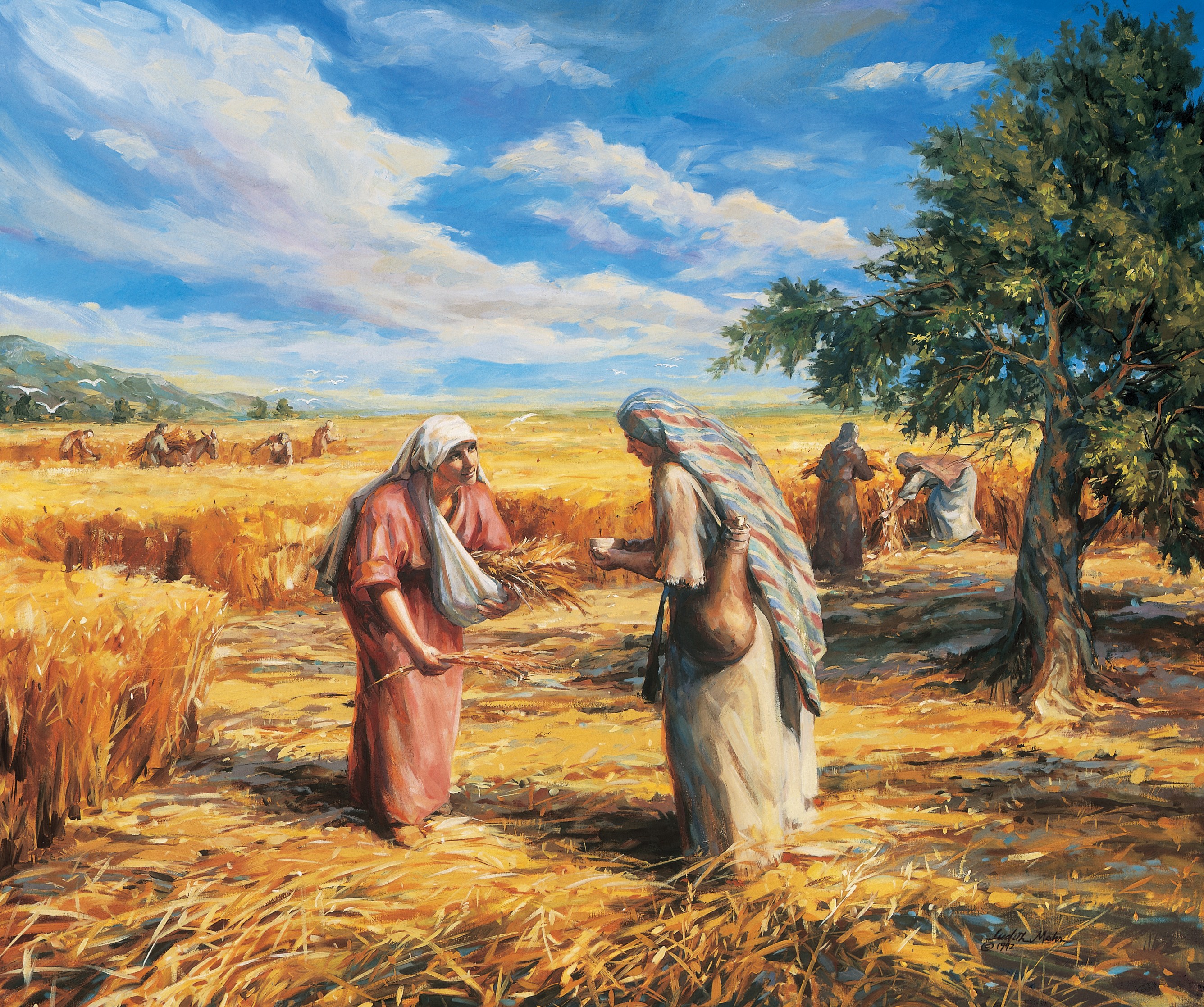
The story of Ruth in the Book of Ruth is one of the most powerful biblical narratives about faith, loyalty, and divine provision. Ruth’s decision to marry Boaz is not simply a romantic moment but a profound expression of her trust in God’s justice and care. As a widowed foreigner living in a new land, Ruth had little security or social status. Yet her actions demonstrate a deep belief that God provides for those who trust Him and that divine justice works through faithful people.
This marriage ultimately becomes a turning point not only in Ruth’s life but also in the history of Israel, because Ruth and Boaz become ancestors of King David.
1. Ruth’s Faith in God’s Provision
Ruth’s decision to marry Boaz shows her belief that God provides for His people even in difficult circumstances.
Trust Despite Uncertainty
After the death of her husband, Ruth faced an uncertain future. She was:
-
A widow
-
A foreigner from Moab
-
Living in Bethlehem with her widowed mother-in-law Naomi
In ancient Israel, widows were among the most vulnerable members of society. Despite this reality, Ruth trusted that God would provide a way forward.
Her faith was first shown when she declared her loyalty to Naomi:
“Your people shall be my people and your God my God.”
This statement reflects Ruth’s complete commitment to the God of Israel. By choosing to stay with Naomi, she placed herself under God’s care rather than returning to her homeland.
Provision Through Boaz
Ruth begins to gather leftover grain in the fields, a practice known as gleaning that allowed the poor to survive. Providentially, she ends up working in the fields owned by Boaz.
Boaz treats her with kindness by:
-
Allowing her to gather extra grain
-
Protecting her from harassment
-
Providing food and water
These acts show Ruth that God is already working through Boaz to provide for her and Naomi.
2. Understanding the Role of the Kinsman-Redeemer
Ruth’s decision to marry Boaz also demonstrates her belief in God’s justice through the legal system of Israel.
The Kinsman-Redeemer System
In ancient Israel, a close relative called a kinsman-redeemer had the responsibility to protect family inheritance and care for widows.
This system ensured:
-
Family land remained within the clan
-
Widows were not abandoned
-
The name of the deceased family member continued
Boaz was one of Naomi’s relatives and therefore qualified to fulfill this role.
Ruth’s Faith in the System
Following Naomi’s guidance, Ruth approaches Boaz at the threshing floor and asks him to spread his cloak over her. This action symbolically asks him to act as her redeemer.
This request shows that Ruth believed:
-
God’s laws were designed to protect the vulnerable
-
Justice could come through faithful obedience to these laws
-
Boaz would act honorably as a righteous man
Rather than manipulating the situation, Ruth humbly appeals to God’s established order.
3. Boaz as an Instrument of God’s Justice
Boaz’s response confirms that Ruth’s faith was well placed.
When Ruth asks him to redeem her, Boaz does not act impulsively. Instead, he carefully follows the legal process at the city gate.
Boaz’s Integrity
Boaz demonstrates righteousness by:
-
Recognizing Ruth’s virtue
-
Ensuring another closer relative has the first legal opportunity
-
Publicly confirming the marriage before witnesses
This careful process shows that God’s justice operates through ethical leadership and respect for community laws.
Redemption and Restoration
When the other relative declines the responsibility, Boaz officially redeems Naomi’s land and marries Ruth.
This act restores:
-
Naomi’s family inheritance
-
Ruth’s security and dignity
-
The future of their family line
Ruth’s faith that justice would prevail is fulfilled.
4. God’s Providential Plan Revealed
Ruth’s marriage to Boaz reveals that God’s provision often unfolds through ordinary human relationships.
Blessing Beyond Expectation
Through this marriage:
-
Ruth moves from poverty to security
-
Naomi regains hope and family legacy
-
A child named Obed is born
Obed becomes the grandfather of King David, linking Ruth’s story to the larger history of Israel.
Inclusion of the Outsider
Ruth’s story also highlights God’s justice in welcoming outsiders. Though she was a Moabite, Ruth becomes part of Israel’s most important royal lineage.
Her story shows that God values:
-
Faithfulness over nationality
-
Character over social status
-
Loyalty over heritage
5. Moral and Spiritual Lessons from Ruth’s Decision
Ruth’s decision to marry Boaz teaches several enduring lessons about faith and divine justice.
Faith Requires Courage
Ruth risked rejection and misunderstanding when she approached Boaz. Her willingness to act demonstrates that faith sometimes requires bold steps.
God Provides Through People
God’s provision in this story comes through human kindness and obedience.
Boaz becomes the channel through which God blesses Ruth and Naomi.
Justice Protects the Vulnerable
The kinsman-redeemer system shows how God’s laws were designed to protect those most at risk in society.
Ruth trusted that these laws would work as intended.
Faithfulness Leads to Unexpected Blessings
Ruth did not pursue wealth or status. She simply remained loyal to Naomi and faithful to God. As a result, she received blessings far greater than she could have imagined.
Conclusion
Ruth’s decision to marry Boaz is a profound demonstration of her faith in God’s provision and justice. As a widowed foreigner, she could have chosen despair or self-preservation. Instead, she trusted the God of Israel and followed the path of faithfulness.
Through her courage, humility, and trust, Ruth experienced God’s provision in the form of protection, redemption, and family restoration. Her marriage to Boaz not only secured her future but also played a crucial role in the unfolding story of Israel’s history.
The story of Ruth reminds readers that God often works quietly through faithful individuals and just systems to bring about provision and redemption.
Comments are closed.