Humility in the Story of Ruth: How Ruth Demonstrates Humility in Her Interactions with Others (Especially Boaz)

The story recorded in the Book of Ruth presents one of the most beautiful examples of humility in the Bible. Through her words and actions, Ruth consistently demonstrates a humble spirit toward others—especially toward Boaz and her mother-in-law Naomi.
Her humility is not merely expressed through polite speech but through sacrificial actions, respectful behavior, and a willingness to serve others. Living as a foreign widow in Bethlehem, Ruth’s humility becomes the foundation for her transformation from a poor outsider to an honored member of Israel’s community.
Below is a detailed exploration of how Ruth demonstrates humility throughout her interactions with others, particularly with Boaz.
1. Ruth’s Humility in Choosing Loyalty Over Self-Interest
The story begins with Ruth showing humility through loyalty and devotion to Naomi.
After the death of her husband, Ruth could have returned to her homeland in Moab and started a new life. Instead, she chose to remain with Naomi, even though it meant uncertainty and hardship.
Her famous declaration reveals this humble commitment:
Key aspects of humility in this moment:
-
She placed Naomi’s needs above her own future.
-
She willingly left her homeland and culture.
-
She accepted the role of a servant-like companion.
Her statement reflects deep humility:
“Where you go I will go, and where you stay I will stay.”
This decision demonstrates that humility often involves sacrificial loyalty and selflessness.
2. Ruth’s Humility in Willingness to Work
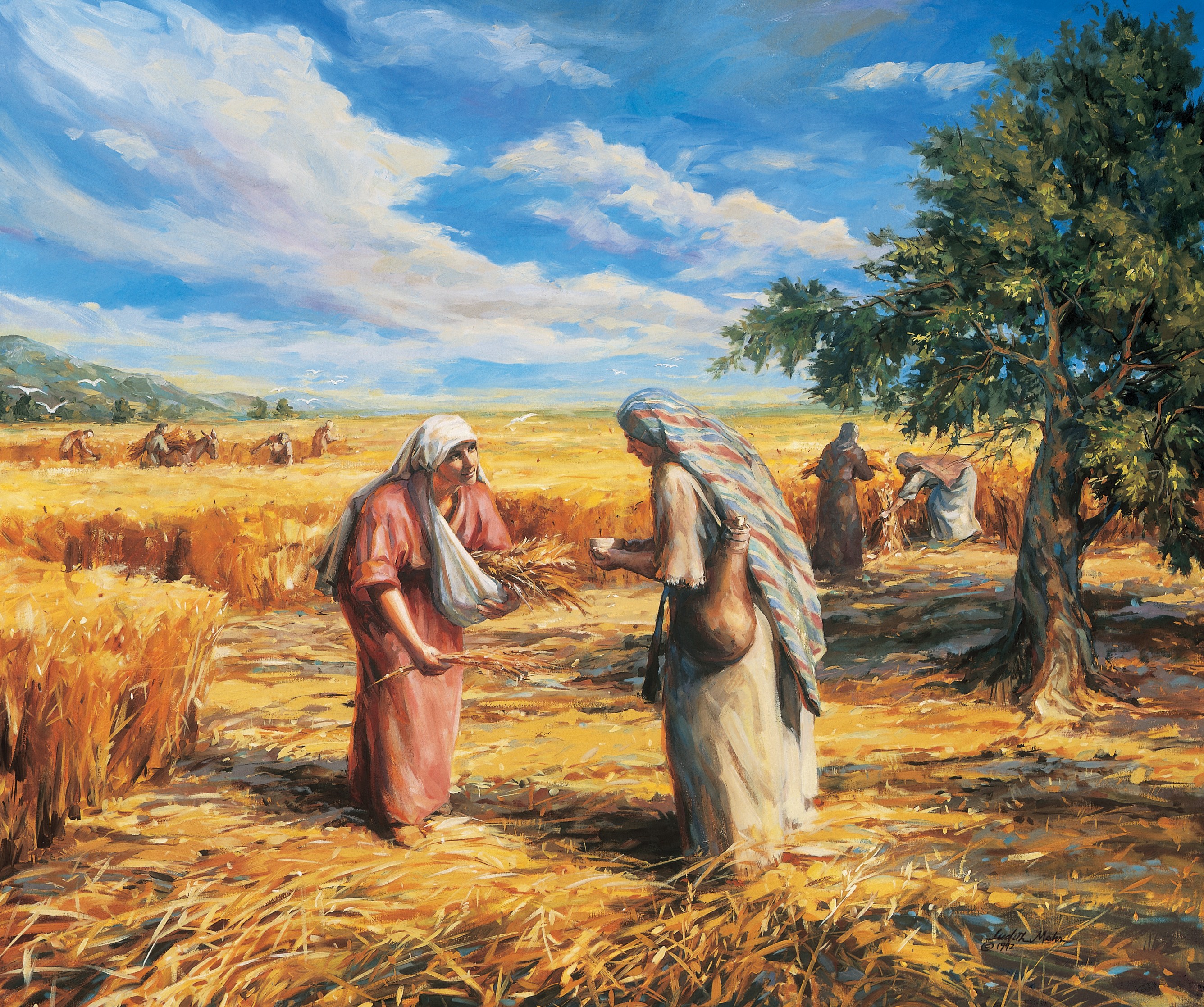
When Ruth and Naomi arrived in Bethlehem, they were poor and without protection. Ruth immediately took responsibility to support them by gleaning leftover grain in fields.
Gleaning was a task usually performed by the poorest members of society.
Ruth did not consider the work beneath her. Instead, she humbly entered the fields and worked among laborers.
Examples of humility in her work ethic:
-
She sought permission before entering the fields.
-
She worked long hours without complaint.
-
She did not expect special treatment.
Her willingness to perform humble labor shows that humility is closely connected to diligence and responsibility.
3. Ruth’s Respectful Interaction with Boaz
When Ruth first meets Boaz, her humility becomes even more visible.
Boaz had heard about Ruth’s kindness toward Naomi and allowed her to gather grain in his field. Instead of assuming she deserved this kindness, Ruth responded with deep respect.
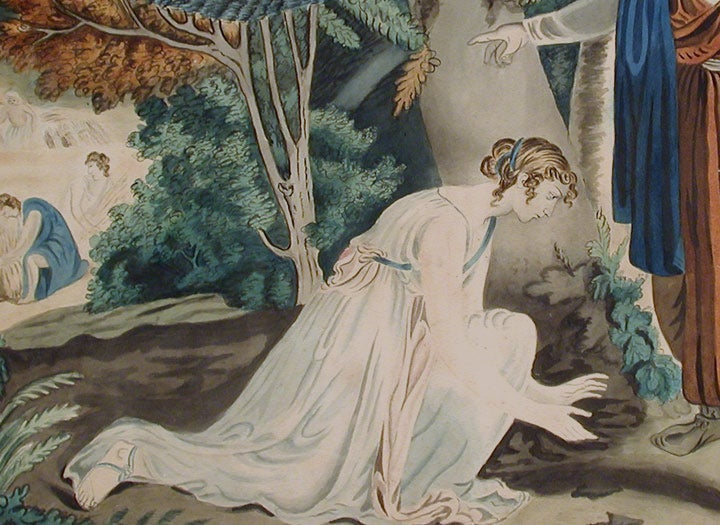
The Bible records that she bowed with her face to the ground and asked:
“Why have I found such favor in your eyes that you notice me—a foreigner?”
This moment reveals several aspects of humility:
Recognition of Her Position
Ruth openly acknowledges that she is:
-
A widow
-
A foreigner
-
A poor worker in someone else’s field
She does not demand rights or privileges.
Gratitude Instead of Entitlement
Rather than expecting help, she expresses sincere gratitude for Boaz’s kindness.
Respect for Authority
By bowing and speaking respectfully, Ruth honors Boaz as the landowner and protector of the field.
Her humility creates an atmosphere of respect and trust.
4. Ruth’s Humility in Following Naomi’s Guidance
Another powerful example of Ruth’s humility appears when Naomi instructs her to approach Boaz at the threshing floor.
Instead of questioning or resisting Naomi’s instructions, Ruth responds simply:
“I will do whatever you say.”
This response shows:
-
Trust in Naomi’s wisdom
-
Respect for family authority
-
Willingness to follow guidance
Even though the situation required courage and vulnerability, Ruth obeyed without arrogance or fear.
This demonstrates that humility often includes submission to wise counsel.
5. Ruth’s Humility in Her Request to Boaz
At the threshing floor, Ruth approaches Boaz with remarkable humility.
Instead of demanding marriage or protection, she respectfully requests that Boaz act as her kinsman-redeemer—a relative who could restore her family’s inheritance.
Her request is expressed carefully and respectfully.
Important elements of humility in this moment:
-
She approaches quietly and respectfully.
-
She does not manipulate or pressure Boaz.
-
She trusts his integrity and judgment.
Boaz responds by praising her character, saying that her kindness and virtue are known throughout the community.
This response shows that humility often inspires respect and honor from others.
6. Ruth’s Humility in Accepting Boaz’s Leadership
After Ruth makes her request, Boaz explains that another relative has the first legal right to redeem Naomi’s land.
Instead of becoming impatient or demanding an answer, Ruth humbly waits for Boaz to resolve the situation.
This patience reflects:
-
Trust in God’s timing
-
Respect for legal customs
-
Confidence in Boaz’s integrity
Her humility allows events to unfold according to proper order.
7. The Reward of Ruth’s Humility
Ruth’s humility ultimately leads to great blessing.
Boaz eventually redeems Naomi’s property and marries Ruth. Their union becomes part of God’s larger plan.
Ruth later becomes:
-
The great-grandmother of King David
-
An ancestor in the lineage of Jesus Christ
Her humble faithfulness transforms her from a foreign widow into a key figure in biblical history.
Lessons About Humility from Ruth
The story of Ruth teaches several timeless lessons about humility.
1. Humility expresses itself through service
Ruth served Naomi and worked in the fields without complaint.
2. Humility respects others
Her respectful interaction with Boaz showed honor and gratitude.
3. Humility accepts guidance
Ruth trusted Naomi’s advice even when it required courage.
4. Humility leads to favor
Ruth’s character attracted kindness, protection, and ultimately blessing.
Conclusion
The story of Ruth illustrates that humility is a powerful and transformative virtue. Through loyalty, hard work, respect, and obedience, Ruth demonstrates humility in every major interaction—especially with Boaz.
Her attitude toward others shows that humility is not weakness but strength expressed through service, gratitude, and faith. Because of her humble spirit, Ruth gains honor in the community of Israel and becomes part of one of the most significant family lines in biblical history.
Ultimately, the Book of Ruth reminds readers that humility opens the door to relationships, restoration, and divine blessing.
What do Ruth’s words to Naomi in Ruth 1:16–17 reveal about her character?
Comments are closed.