How Repentance Restores Relationship but Does Not Erase Responsibility
Repentance is one of the most powerful themes in the Bible and in spiritual life. It demonstrates that even after failure, people can be restored to a right relationship with God. However, repentance does not remove the consequences of actions or erase personal responsibility. Instead, it restores fellowship with God while acknowledging that actions still carry real effects.
This principle is clearly illustrated in the story of King David, especially after his sin involving Bathsheba and the death of Uriah the Hittite. When confronted by the prophet Nathan the Prophet, David repented sincerely. God forgave him, but David still faced serious consequences for his actions. This story shows the important balance between forgiveness and accountability.
Understanding how repentance restores relationship but not responsibility helps explain the nature of justice, mercy, and moral growth.
Understanding the Meaning of Repentance
Repentance is more than simply feeling regret. It involves a deep transformation of heart and mind.
Key Elements of True Repentance
-
Acknowledging wrongdoing without excuses
-
Feeling genuine sorrow for sin
-
Turning away from the sinful behavior
-
Seeking restoration with God and others
-
Accepting responsibility for the consequences
True repentance focuses on change rather than merely avoiding punishment. It recognizes that sin damages relationships and requires humility to repair them.
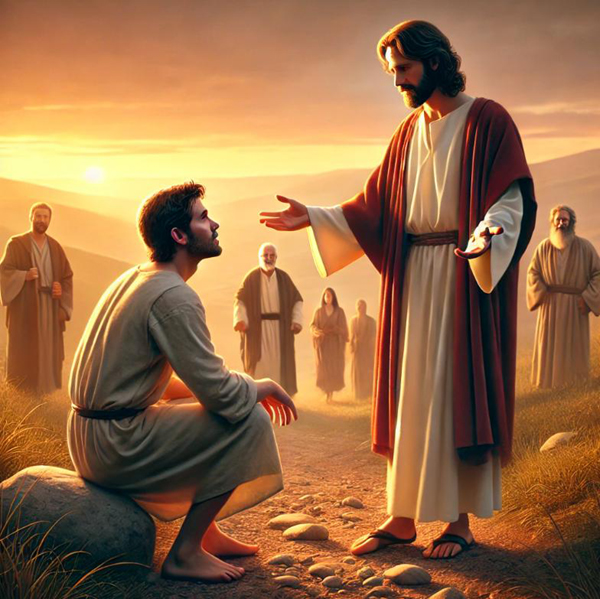
For David, repentance occurred when Nathan confronted him. Instead of denying his wrongdoing, David admitted his guilt and declared that he had sinned against God.
How Repentance Restores Relationship with God
One of the most hopeful aspects of repentance is that it restores broken relationships.
God’s Readiness to Forgive
Scripture consistently teaches that God is willing to forgive those who sincerely repent. When a person confesses their sin, they are no longer separated from God by guilt.
David’s confession demonstrated humility and honesty. His repentance reopened the relationship that his sin had damaged.
Restoration of Spiritual Fellowship
Repentance restores:
-
Peace with God
-
Spiritual closeness
-
Renewed purpose
-
Inner healing
David’s life continued after repentance, and he remained an important figure in God’s plan. This shows that failure does not permanently disqualify someone from God’s purposes when genuine repentance occurs.
Renewal Rather Than Rejection
The restoration of relationship reflects God’s mercy. Instead of rejecting David completely, God forgave him and continued to work through his life.
This demonstrates that repentance allows people to begin again spiritually, even after serious mistakes.
Why Responsibility Still Remains
Although repentance restores relationship, it does not erase the results of actions. Responsibility remains because actions have real consequences.
Actions Affect Others
David’s sin did not only involve personal failure; it harmed other people.
-
Uriah lost his life.
-
Bathsheba suffered loss and grief.
-
The kingdom experienced turmoil.
Because the consequences involved real harm, forgiveness could not simply remove the effects of those actions.
Justice Requires Accountability
God’s justice means wrongdoing cannot simply be ignored. Forgiveness addresses the spiritual relationship, but responsibility ensures that wrongdoing is taken seriously.
Nathan told David that although his sin was forgiven, consequences would still follow. This shows that repentance does not cancel accountability.
Consequences Help Teach Moral Responsibility
Consequences serve as reminders of the seriousness of sin. They encourage growth, humility, and awareness of the impact of choices.
David’s later life included significant family conflict and hardship. These events reflected the lasting impact of earlier decisions.
The Balance Between Mercy and Justice
The story of David illustrates a profound balance between mercy and justice.
Mercy: Forgiveness Through Repentance
Mercy means God does not abandon those who turn back to Him. Repentance brings forgiveness and spiritual restoration.
Without mercy, repentance would have little hope.
Justice: Responsibility for Actions
Justice ensures that wrongdoing has consequences. This protects moral order and respects the harm done to others.
Without justice, forgiveness would ignore the seriousness of wrongdoing.
Together They Create Moral Balance
Mercy and justice work together to form a balanced response to sin:
-
Mercy restores the relationship.
-
Justice maintains responsibility.
-
Repentance leads to transformation.
This balance encourages both humility and accountability.
Lessons About Personal Growth and Integrity
The principle that repentance restores relationship but not responsibility teaches important life lessons.
1. Mistakes Do Not Have to Define a Person
Repentance allows individuals to grow beyond their failures. David’s story shows that a person can change and continue to contribute positively.
2. Accountability Encourages Moral Maturity
Taking responsibility for actions develops integrity and character.
Accepting consequences demonstrates honesty and humility.
3. Forgiveness Does Not Remove the Need for Repair
Even when relationships are restored, damage may still need to be addressed.
True repentance often includes efforts to repair harm done to others.
4. Leadership Requires Greater Responsibility
David’s role as king meant his actions affected many people. His story teaches that leaders must take responsibility for their choices because their influence is far-reaching.
Why This Principle Matters Today
The idea that repentance restores relationship but not responsibility remains relevant in modern life.
It applies to:
-
Personal relationships
-
Leadership and authority
-
Moral decision-making
-
Justice systems
Healthy communities require both forgiveness and accountability.
Without forgiveness, people are trapped by past mistakes. Without responsibility, harmful behavior is ignored. Together, they create the possibility for both healing and justice.
Conclusion
Repentance demonstrates the possibility of restoration after failure. Through sincere confession and humility, a broken relationship with God can be repaired. David’s response after being confronted by Nathan shows that genuine repentance brings forgiveness and renewed fellowship.
However, repentance does not erase responsibility. Actions have consequences that affect others and shape the future. God’s justice ensures that wrongdoing remains accountable even after forgiveness.
This powerful balance between mercy and responsibility teaches an important truth: forgiveness restores the heart, but responsibility shapes character. Together, they lead to growth, humility, and a deeper understanding of the seriousness of moral choices.