How Naomi’s Relationship with Ruth Reflects the Transformative Power of Companionship and Shared Faith


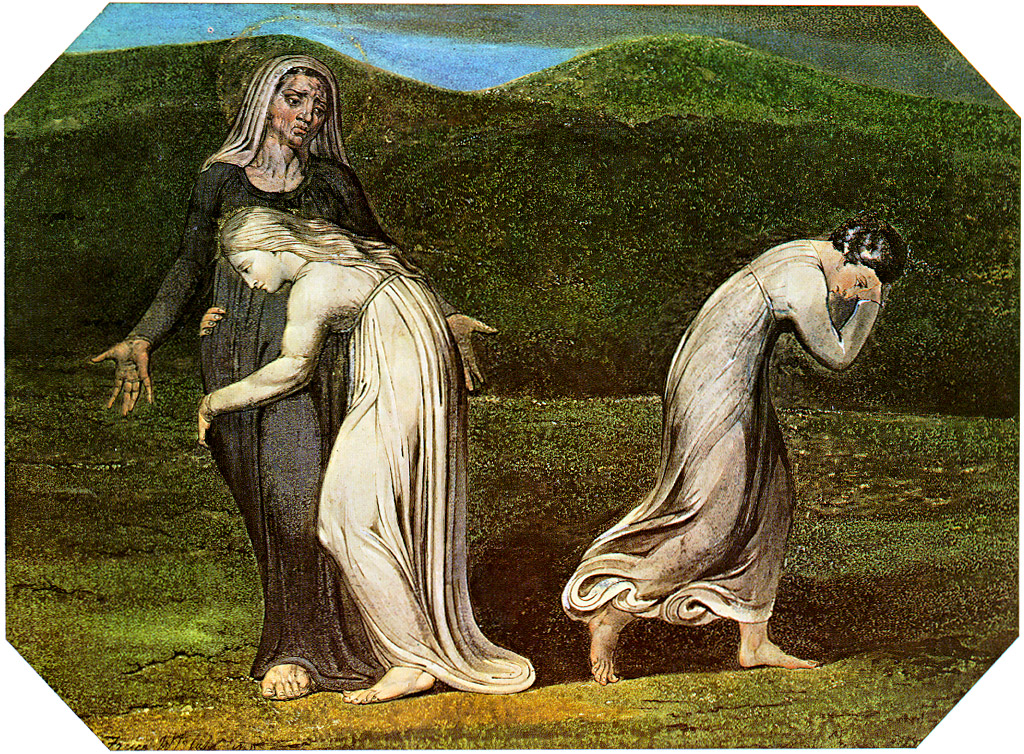
The relationship between Naomi and Ruth in the Book of Ruth is one of the most powerful examples of loyalty, compassion, and faith in the Bible. Set during the era described in the Book of Judges, their story illustrates how companionship and shared faith can transform despair into hope and tragedy into blessing.
Through loss, migration, poverty, and eventual restoration, Naomi and Ruth demonstrate how human relationships—rooted in faith and devotion—can become instruments of divine transformation. Their bond not only reshaped their own lives but also played a critical role in the larger biblical narrative, eventually linking their family line to King David.
The Background of Naomi and Ruth’s Story
The story begins with Naomi and her husband leaving Bethlehem because of famine. They settle in the land of Moab, where their sons marry Moabite women—Ruth and Orpah. However, tragedy soon strikes when Naomi’s husband and both sons die.
This leaves three widows facing uncertain futures.
Naomi decides to return to Bethlehem and urges her daughters-in-law to remain in Moab where they have better prospects. Orpah eventually stays behind, but Ruth makes a life-changing decision.
Ruth declares her loyalty with one of the most famous statements in the Bible:
“Where you go I will go, and where you stay I will stay. Your people will be my people and your God my God.” (Ruth 1:16)
This moment marks the beginning of a relationship that exemplifies the transformative power of companionship and shared faith.
Companionship in the Midst of Grief
One of the most profound aspects of Naomi and Ruth’s relationship is their mutual support during deep personal loss.
Both women had experienced:
-
The death of their husbands
-
Economic insecurity
-
Social vulnerability as widows
How companionship transformed their grief
Their companionship provided emotional and practical strength:
-
Emotional comfort: Ruth’s presence prevented Naomi from facing her grief alone.
-
Shared journey: Traveling together from Moab to Bethlehem strengthened their bond.
-
Mutual encouragement: Ruth’s loyalty revived Naomi’s hope for the future.
Naomi initially believed her life had been ruined, even asking people to call her “Mara,” meaning bitterness. Yet Ruth’s unwavering support gradually helped transform Naomi’s despair into renewed faith and joy.
This illustrates a key biblical principle: companionship can become a channel through which healing and restoration occur.
Loyalty That Crossed Cultural Boundaries
Another remarkable element of Ruth and Naomi’s relationship is that it crossed ethnic and cultural boundaries.
Ruth was a Moabite, an outsider to Israel’s community. Yet she chose to identify completely with Naomi’s people and faith.
Ruth’s acts of loyalty
Ruth demonstrated commitment through actions:
-
Leaving her homeland and family
-
Adopting Naomi’s culture and faith
-
Working tirelessly to provide food for Naomi
-
Respecting Naomi’s guidance and wisdom
Her willingness to embrace Naomi’s God represents one of the most powerful examples of spiritual transformation in the Old Testament.
Ruth’s loyalty reveals that faith communities are strengthened when relationships transcend ethnic or social barriers.
Shared Faith as the Foundation of Their Relationship
While companionship played an important role, the deeper strength of Naomi and Ruth’s bond came from their shared faith.
By choosing Naomi’s God, Ruth placed her trust in the same divine promises that guided Naomi’s life.
Ways their shared faith shaped their journey
Their faith influenced important decisions:
-
Trusting God’s provision: Ruth gleaned in fields, trusting God to provide.
-
Seeking wise guidance: Naomi guided Ruth toward opportunities for protection and blessing.
-
Recognizing divine providence: Both women eventually saw God’s hand in their circumstances.
Their story shows that faith often operates quietly through everyday decisions rather than dramatic miracles.
Naomi’s Guidance and Ruth’s Obedience
Another transformative aspect of their relationship is the partnership between Naomi’s wisdom and Ruth’s humility.
Naomi’s experience helped Ruth navigate unfamiliar social customs in Bethlehem.
Naomi’s role as mentor
Naomi guided Ruth by:
-
Advising her to glean in the fields of Boaz
-
Explaining Israelite customs regarding family redemption
-
Encouraging Ruth to seek security through marriage
Ruth trusted Naomi’s counsel and followed her instructions faithfully.
This partnership illustrates how mentorship and trust can shape positive outcomes in difficult situations.
From Poverty to Restoration
Through their shared efforts and faith, Naomi and Ruth’s lives dramatically changed.
Ruth’s hard work in the fields of Boaz eventually led to marriage. Boaz acted as a “kinsman-redeemer,” restoring Naomi’s family line and providing security for both women.
The transformation they experienced
Their journey moved through several stages:
-
Loss and emptiness
-
Faithful companionship
-
Provision through community
-
Restoration and blessing
Their story ultimately ends with the birth of a child named Obed, who becomes the grandfather of King David.
This outcome demonstrates how small acts of loyalty and faith can have generational impact.
A Model of Transformative Relationships
The story of Naomi and Ruth continues to inspire readers because it highlights universal themes about human relationships.
Lessons from their relationship
Their story teaches that:
-
Loyalty can transform grief into hope
-
Companionship strengthens resilience during hardship
-
Faith shared within relationships deepens trust and purpose
-
Cultural boundaries can be overcome through love and commitment
-
Mentorship and humility foster growth and opportunity
These lessons remain relevant in modern communities where support, faith, and solidarity continue to shape lives.
Theological Significance of Their Story
Beyond personal transformation, Naomi and Ruth’s story holds deeper theological meaning.
Ruth—a foreign woman—becomes part of the lineage leading to King David. This inclusion demonstrates that God’s purposes extend beyond national or ethnic boundaries.
Their story reveals that:
-
Faithfulness in ordinary circumstances can serve divine purposes
-
Outsiders can become central figures in God’s plan
-
Compassionate relationships can influence the course of history
Thus, their companionship is not merely a personal story but part of a larger narrative of redemption.
Conclusion
The relationship between Naomi and Ruth powerfully reflects the transformative power of companionship and shared faith. Through loyalty, sacrifice, and spiritual commitment, these two women overcame grief, poverty, and uncertainty.
Their bond illustrates that faithful relationships can bring healing, guidance, and restoration even in the most difficult circumstances. Ultimately, their story shows that when companionship is rooted in faith, it can reshape lives and influence generations.
Naomi and Ruth remind readers that enduring relationships—built on loyalty and trust in God—have the power to transform sorrow into hope and ordinary lives into extraordinary stories of redemption.
How do Naomi’s past losses shape her understanding of God’s providence?
Comments are closed.