Naomi’s Journey from Despair to Joy: A Powerful Picture of Redemption in the Book of Ruth

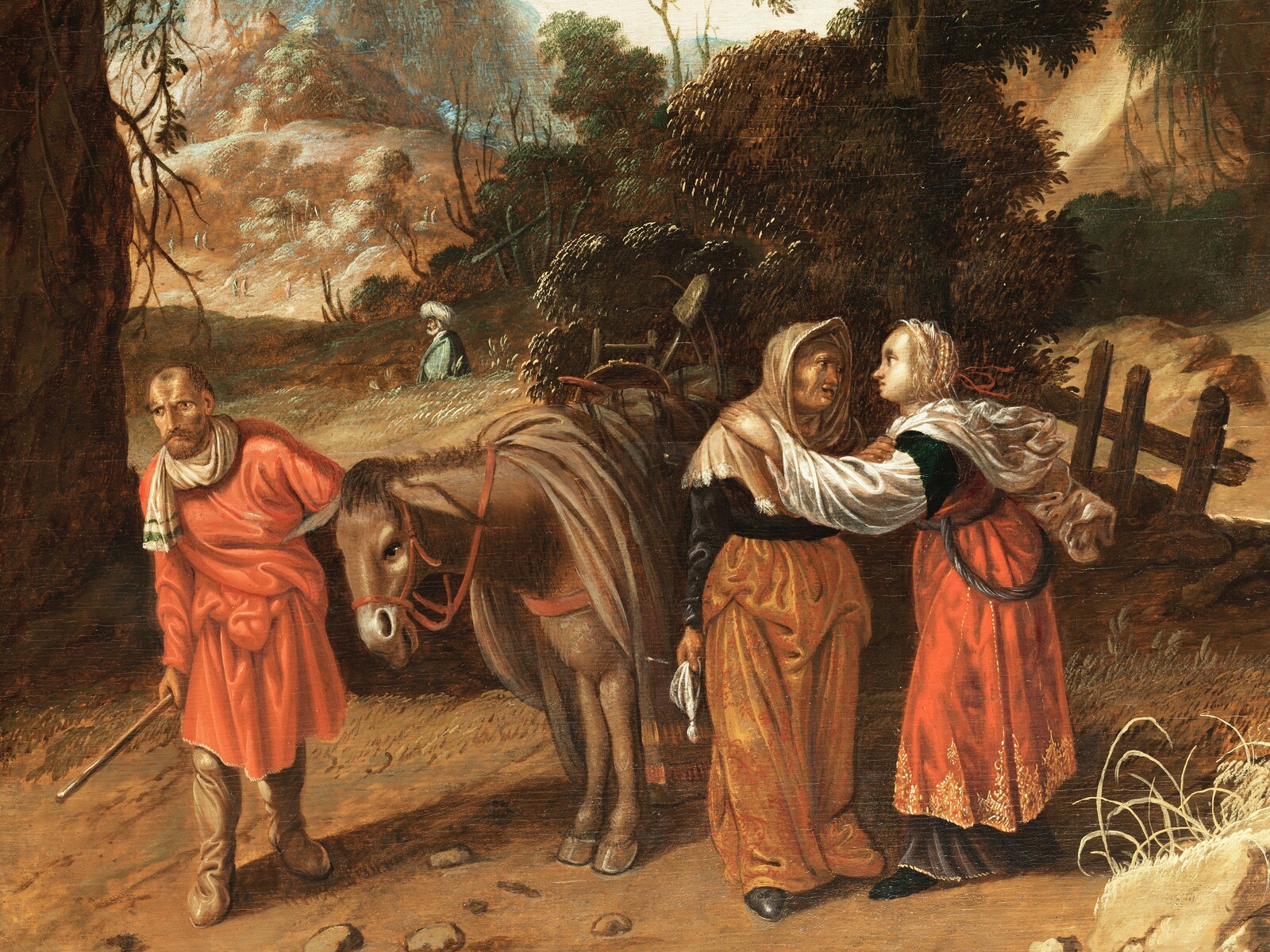

The story of Book of Ruth is one of the most beautiful narratives in the Bible. At its center stands Naomi, a woman who experiences profound loss yet ultimately finds restoration and joy. Her journey from bitterness to hope mirrors the broader theme of redemption that runs throughout the entire book.
Through Naomi’s suffering, faith struggles, and eventual restoration, the narrative illustrates how God transforms tragedy into blessing. Her story also intertwines with the loyalty of Ruth and the kindness of Boaz, revealing how redemption unfolds in both personal and communal ways.
1. Naomi’s Descent into Despair
The story begins during a time of crisis in Bethlehem when a famine forces Naomi’s family to leave their homeland and settle in Moab. What follows is a series of devastating losses.
Tragedies Naomi Experienced
-
The death of her husband Elimelech
-
The deaths of both of her sons
-
Living as a widow in a foreign land
-
Facing poverty and uncertainty
With her family gone, Naomi feels completely empty. When she returns to Bethlehem, she tells the townspeople not to call her Naomi, which means pleasant, but instead to call her “Mara,” meaning bitter.
What Naomi’s Despair Represents
Naomi’s grief reflects several major themes of the book:
-
Human suffering and loss
-
The feeling of abandonment by God
-
The vulnerability of widows and outsiders
-
Life during the unstable era of the Judges
Her bitterness symbolizes how suffering can cloud a person’s understanding of God’s purpose.
2. Ruth’s Loyalty: The Beginning of Redemption
Although Naomi feels abandoned, redemption quietly begins through Ruth’s extraordinary loyalty. Ruth refuses to leave Naomi and declares one of the most famous commitments in Scripture:
“Where you go I will go, and where you stay I will stay. Your people will be my people and your God my God.”
This declaration marks a turning point in Naomi’s story.
How Ruth Begins Naomi’s Restoration
Ruth demonstrates redemption through:
-
Unwavering loyalty
-
Sacrificial love
-
Faith in Naomi’s God
-
A willingness to leave her homeland
By choosing Naomi and the God of Israel, Ruth becomes the instrument through which Naomi’s life will be restored.
Her commitment also reflects a major theme of the book: God often works through human relationships to accomplish redemption.
3. Boaz and the Role of the Redeemer
Redemption becomes more visible when Ruth begins gleaning in the fields of Boaz, a wealthy landowner related to Naomi’s family.
In Israelite law, a kinsman-redeemer was responsible for protecting family members in distress. Boaz fulfills this role.
Boaz’s Acts of Redemption
Boaz demonstrates compassion and generosity by:
-
Protecting Ruth in his fields
-
Providing food for Naomi and Ruth
-
Agreeing to redeem Naomi’s family land
-
Marrying Ruth to restore the family line
Through Boaz, Naomi’s broken family begins to be rebuilt. His actions represent the legal and spiritual concept of redemption central to the book.
4. Naomi’s Transformation from Bitterness to Joy
The climax of Naomi’s journey occurs when Ruth gives birth to a son named Obed.
Instead of despair, Naomi now experiences restoration.
Signs of Naomi’s Redemption
Her transformation is seen in several ways:
-
Emotional healing – her bitterness is replaced with gratitude
-
Family restoration – she gains a grandson
-
Community celebration – the women of Bethlehem praise God
-
Future hope – her family line continues
The women of Bethlehem declare:
“Praise be to the Lord, who this day has not left you without a guardian-redeemer.”
Naomi, who once believed she returned home empty, now holds a child who represents new life and hope.
5. Naomi’s Story and the Larger Theme of Redemption
Naomi’s journey mirrors the larger message of the Book of Ruth in several important ways.
1. God Works Through Ordinary Lives
The story contains no miracles or dramatic supernatural events. Instead, redemption unfolds through:
-
Kindness
-
Loyalty
-
Faithfulness
-
Everyday decisions
2. Redemption Extends Beyond Individuals
Naomi’s restoration affects multiple people:
-
Ruth gains security and family.
-
Boaz fulfills his role as redeemer.
-
Bethlehem witnesses God’s faithfulness.
Ultimately, the child born to Ruth becomes part of the lineage of King David, linking Naomi’s story to Israel’s future.
3. God Brings Hope from Loss
Naomi begins the story believing her life is empty, yet God quietly prepares blessings she cannot foresee.
Her journey teaches that:
-
Suffering is not the final chapter.
-
God’s plans often unfold slowly.
-
Redemption can emerge from the darkest circumstances.
6. Symbolism of Naomi’s Redemption
Naomi’s transformation symbolizes several broader theological ideas.
Spiritual Lessons from Her Journey
-
God restores broken lives
-
Faithfulness leads to unexpected blessings
-
Redemption often involves community
-
Hope can grow from deep grief
Her story reminds readers that even when God seems absent, He is still working behind the scenes.
Conclusion
Naomi’s journey from despair to joy is one of the most powerful illustrations of redemption in the Book of Ruth. Beginning as a grieving widow who believes God has abandoned her, Naomi eventually experiences restoration through the faithfulness of Ruth and the kindness of Boaz.
Her transformation from “Mara” (bitter) back to Naomi (pleasant) demonstrates how God can turn emptiness into fullness and sorrow into joy.
More importantly, Naomi’s story reflects the deeper message of the book: redemption is not only about restoring individuals but about renewing families, communities, and future generations.
What begins with famine, death, and bitterness ends with birth, hope, and a legacy that shapes Israel’s history. Through Naomi, the Book of Ruth reminds readers that even the darkest seasons of life can become the starting point for God’s redemptive work.
In what ways does Naomi’s relationship with Ruth evolve throughout the book?
Comments are closed.