Naomi’s Restoration Through Her Interaction with the Women of Bethlehem in Ruth 4
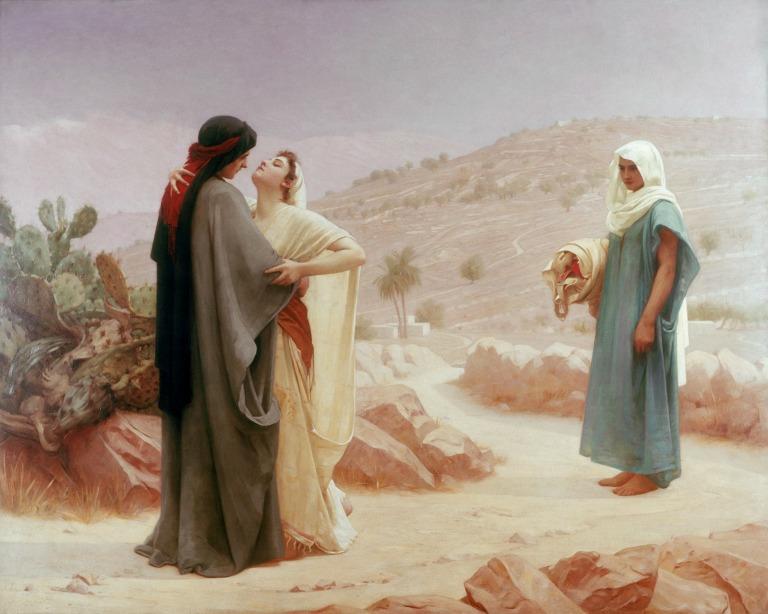


The closing chapter of the Book of Ruth presents one of the most powerful scenes of restoration in the Old Testament. In Ruth 4:14–17, the interaction between Naomi and the women of Bethlehem reveals that her life, once marked by grief and emptiness, has been fully restored.
Earlier in the story, Naomi returned to Bethlehem feeling devastated after losing her husband and two sons. She even asked people to call her Mara, meaning “bitter,” instead of Naomi, meaning “pleasant.” By the end of the narrative, however, the women of Bethlehem publicly celebrate Naomi’s renewal. Their words show that God has transformed Naomi’s tragedy into blessing through the loyalty of Ruth and the kindness of Boaz.
This interaction reflects Naomi’s emotional, social, familial, and spiritual restoration.
Naomi’s Earlier State of Emptiness
At the beginning of the story, Naomi experiences a series of devastating losses:
-
A famine forces her family to leave Bethlehem.
-
Her husband Elimelech dies.
-
Both of her sons die in Moab.
-
She returns home believing God has afflicted her.
When Naomi arrives in Bethlehem, she declares:
“I went away full, but the Lord has brought me back empty.”
This statement shows how deeply Naomi felt her loss. She saw herself as destitute, alone, and without a future.
However, the narrative gradually reveals that God was working through Ruth and Boaz to restore everything Naomi believed she had lost.
The Birth of Obed: A Turning Point
Naomi’s restoration becomes clear when Ruth and Boaz marry and have a son named Obed.
In ancient Israelite culture, the birth of a child ensured:
-
Family continuity
-
Social security in old age
-
Preservation of inheritance
For Naomi, Obed represents the renewal of her family line.
Although Ruth is the biological mother, the women of Bethlehem recognize that the child also belongs to Naomi’s household and legacy.
The Blessing of the Women of Bethlehem
One of the most significant elements of Naomi’s restoration is the public affirmation from the women of Bethlehem.
They say:
“Praise be to the Lord, who this day has not left you without a guardian-redeemer.”
This statement is important because:
-
It acknowledges God’s direct involvement in Naomi’s restoration.
-
It recognizes that Naomi is no longer abandoned.
-
It celebrates the continuation of her family line.
The community that once heard Naomi’s lament now witnesses her renewal.
How the Women’s Words Reveal Naomi’s Restoration
The women’s statements highlight several aspects of Naomi’s full restoration.
1. Restoration of Family
The birth of Obed restores Naomi’s family legacy.
The women declare:
-
Ruth is “better to you than seven sons.”
-
Naomi now has a redeemer for her family line.
In ancient culture, losing sons meant losing one’s future. Through Ruth and Obed, Naomi regains that future.
2. Restoration of Honor and Reputation
When Naomi returned to Bethlehem earlier, she felt ashamed and broken.
By the end of the story:
-
The community praises God for her blessing.
-
The women speak positively about Naomi’s household.
-
Her story becomes one of hope rather than tragedy.
Public affirmation from the women restores Naomi’s social dignity and honor.
3. Restoration of Emotional Joy
Naomi’s grief defined her identity earlier in the narrative. She believed her life was permanently bitter.
However, Ruth 4 shows Naomi embracing the baby and caring for him.
This scene reveals:
-
Joy replacing sorrow
-
Hope replacing despair
-
Fulfillment replacing emptiness
Her transformation from Mara (bitter) back to Naomi (pleasant) is complete.
4. Restoration Through Community
Another important element of Naomi’s restoration is the role of the community.
The women of Bethlehem:
-
Recognize God’s blessing
-
Celebrate Naomi’s renewed life
-
Help name the child Obed
This communal participation highlights that Naomi is fully reintegrated into society.
She is no longer the grieving widow who returned empty.
5. Restoration of Purpose and Legacy
The women declare that Obed will:
-
Sustain Naomi in her old age
-
Restore her life
The child ensures that Naomi’s family will continue into the future.
Significantly, Obed becomes:
-
The grandfather of King David.
This means Naomi’s story ultimately contributes to the royal line of Israel and, according to biblical tradition, the lineage of the Messiah.
Her legacy becomes far greater than she could have imagined.
Ruth’s Role in Naomi’s Restoration
The women of Bethlehem specifically highlight Ruth’s role by saying she is better than seven sons.
This is remarkable because:
-
Seven sons symbolized perfect blessing in ancient culture.
-
Ruth was a foreigner from Moab.
Despite this, Ruth becomes the instrument through which Naomi’s life is restored.
Her loyalty, sacrifice, and faithfulness bring about Naomi’s renewal.
Theological Significance of Naomi’s Restoration
Naomi’s interaction with the women of Bethlehem also reveals deeper theological themes.
God’s Providence
The story shows that God works through ordinary events:
-
A chance meeting in a field
-
A legal redemption at the city gate
-
The birth of a child
These events combine to restore Naomi’s life.
Redemption
Boaz acts as a kinsman-redeemer, restoring Naomi’s family inheritance and security.
This concept of redemption becomes an important biblical theme.
Hope After Suffering
Naomi’s journey demonstrates that suffering is not the end of the story.
God can transform loss into blessing.
Conclusion
Naomi’s interaction with the women of Bethlehem in Ruth 4 powerfully illustrates her complete restoration. The women’s blessing acknowledges that God has reversed Naomi’s misfortune and filled her life with joy again.
Through the birth of Obed, Naomi experiences:
-
Restoration of family
-
Renewal of honor
-
Emotional healing
-
Reintegration into community
-
A lasting legacy
The story moves Naomi from bitterness to blessing, showing that God’s providence can transform even the deepest sorrow into hope.
How does Naomi’s bitterness at the start of the book contrast with her joy at the end?