The Character Development of Naomi in the Book of Ruth

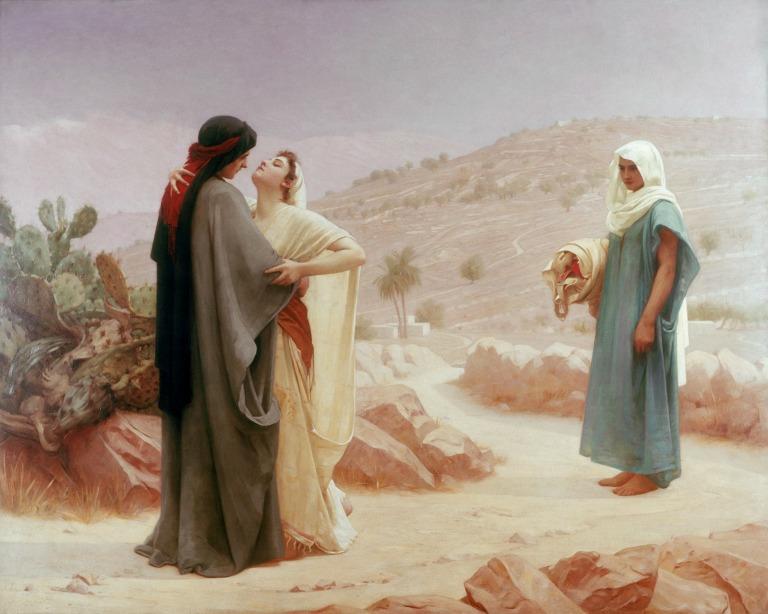

The story of Book of Ruth presents one of the most profound character transformations in biblical literature through the life of Naomi. At the beginning of the narrative, Naomi appears as a woman crushed by tragedy, bitterness, and loss. However, by the end of the story, she emerges as a figure restored by hope, family, and divine providence.
Her journey from despair to renewal not only drives the narrative but also demonstrates how suffering, faith, and relationships can transform a person’s outlook and identity.
1. Naomi at the Beginning: A Life Marked by Loss
The story begins during a famine in Judah. Naomi, her husband Elimelech, and their two sons leave their home in Bethlehem and move to Moab in search of survival.
However, tragedy quickly unfolds:
-
Naomi’s husband Elimelech dies
-
Her two sons Mahlon and Chilion also die
-
Naomi is left with her two daughters-in-law, Ruth and Orpah
This devastating sequence of events leaves Naomi:
-
Widowed
-
Childless
-
Economically vulnerable
-
Emotionally broken
In the ancient world, losing male family members often meant losing security and social protection. Naomi therefore represents a woman experiencing deep personal and social crisis.
Naomi’s Bitterness
When Naomi returns to Bethlehem, she expresses profound sorrow. She tells the people:
“Do not call me Naomi; call me Mara.”
The name Naomi means “pleasant,” while Mara means “bitter.”
This statement reveals Naomi’s emotional state:
-
She feels abandoned by life
-
She believes God has dealt harshly with her
-
She views herself as empty and broken
At this stage, Naomi’s character is dominated by grief, pessimism, and resignation.
2. Naomi’s Relationship with Ruth: The Turning Point
Naomi initially urges her daughters-in-law to return to their families so they can rebuild their lives. While Orpah leaves, Ruth makes a remarkable declaration of loyalty:
“Where you go I will go, and where you stay I will stay.”
Ruth’s commitment becomes the first step in Naomi’s transformation.
Ruth Brings New Hope
Ruth’s loyalty provides Naomi with:
-
Companionship
-
Emotional support
-
Practical help for survival
Although Naomi remains quiet and withdrawn during their early days in Bethlehem, Ruth’s actions begin to change the situation.
3. Naomi’s Gradual Return to Purpose
Naomi’s character begins to evolve when she learns that Ruth has been working in the fields of Boaz, a relative of Naomi’s late husband.
This moment sparks new hope in Naomi.
Naomi Becomes Strategic and Active
Rather than remaining passive in sorrow, Naomi begins to take initiative. She devises a plan to secure Ruth’s future through marriage with Boaz.
Her guidance includes:
-
Advising Ruth how to approach Boaz respectfully
-
Recognizing the legal custom of a kinsman-redeemer
-
Encouraging Ruth to pursue a secure future
This shift reveals an important development in Naomi’s character:
-
She moves from self-pity to wisdom
-
She uses her experience and cultural knowledge
-
She actively works for Ruth’s wellbeing
Naomi becomes a mentor and strategist, demonstrating resilience and intelligence.
4. Naomi’s Restoration Through Ruth’s Marriage
Naomi’s transformation reaches a new stage when Ruth marries Boaz.
This marriage brings multiple blessings:
-
Economic stability
-
Restoration of family lineage
-
Social security
For Naomi, the marriage represents more than Ruth’s happiness—it symbolizes the rebuilding of her own life.
Community Recognition
The women of Bethlehem recognize Naomi’s restored status. They bless her and acknowledge the role Ruth has played in her life.
They declare that Ruth is:
“Better to you than seven sons.”
This statement highlights Naomi’s transformation from a woman who felt empty to one who is surrounded by love and support.
5. Naomi at the End: A Woman Renewed
The final stage of Naomi’s character development occurs when Ruth gives birth to a son named Obed.
In a beautiful reversal of Naomi’s earlier despair:
-
Naomi holds the child
-
The community celebrates her
-
She becomes part of a renewed family
Remarkably, the women of Bethlehem say:
“Naomi has a son.”
This statement symbolizes Naomi’s complete restoration.
Significance of Obed
Obed later becomes:
-
The father of Jesse
-
The grandfather of David
Thus Naomi becomes part of the royal lineage of Israel.
6. Key Stages in Naomi’s Character Evolution
Naomi’s journey can be understood in four major stages:
1. Loss and Despair
-
Husband and sons die
-
Naomi feels abandoned
-
She identifies herself as “Mara”
2. Loyalty and Support
-
Ruth remains faithful to Naomi
-
Naomi gains companionship and hope
3. Renewal of Purpose
-
Naomi guides Ruth toward Boaz
-
She becomes proactive and wise
4. Restoration and Joy
-
Ruth marries Boaz
-
Obed is born
-
Naomi regains family, hope, and honor
7. Themes Revealed Through Naomi’s Transformation
Naomi’s development reflects several important themes in the Book of Ruth.
1. Hope After Suffering
Naomi’s story demonstrates that loss does not have to define the end of a person’s life.
2. The Power of Loyalty
Ruth’s faithfulness becomes the catalyst for Naomi’s healing.
3. Community and Restoration
The support of Bethlehem’s community plays a role in Naomi’s emotional renewal.
4. Divine Providence
Although Naomi initially believes God has turned against her, the story ultimately reveals that divine providence is guiding events.
Conclusion
The character of Naomi evolves dramatically throughout the Book of Ruth. She begins the narrative as a grieving widow overwhelmed by bitterness and despair. However, through Ruth’s loyalty, her own wisdom, and the unfolding of unexpected blessings, Naomi moves toward renewal and hope.
By the end of the story, Naomi is no longer the woman who asked to be called Mara. Instead, she is a restored grandmother, a respected member of her community, and an important link in the lineage of King David. Her transformation highlights the biblical message that even the deepest sorrow can eventually lead to restoration and new life.
How does Ruth’s kindness toward Naomi deepen throughout the story?
Comments are closed.