Naomi’s Bitterness at the Beginning vs. Her Joy at the End
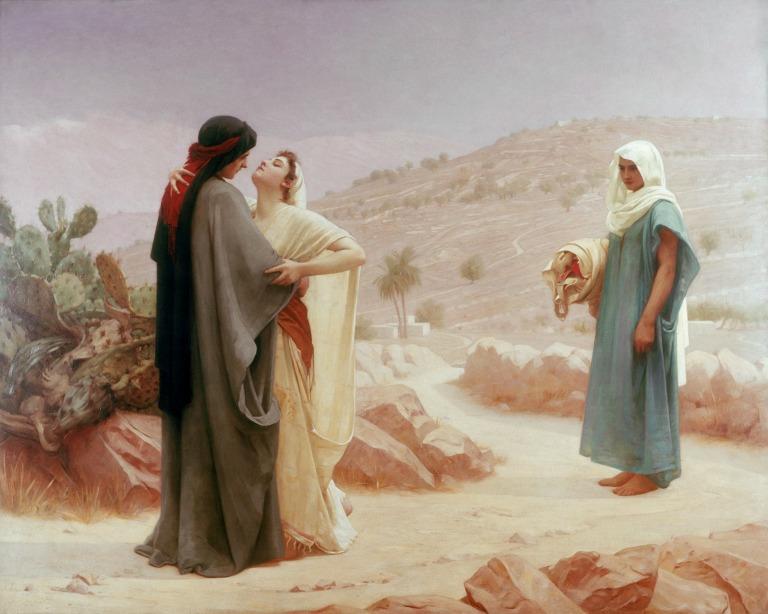

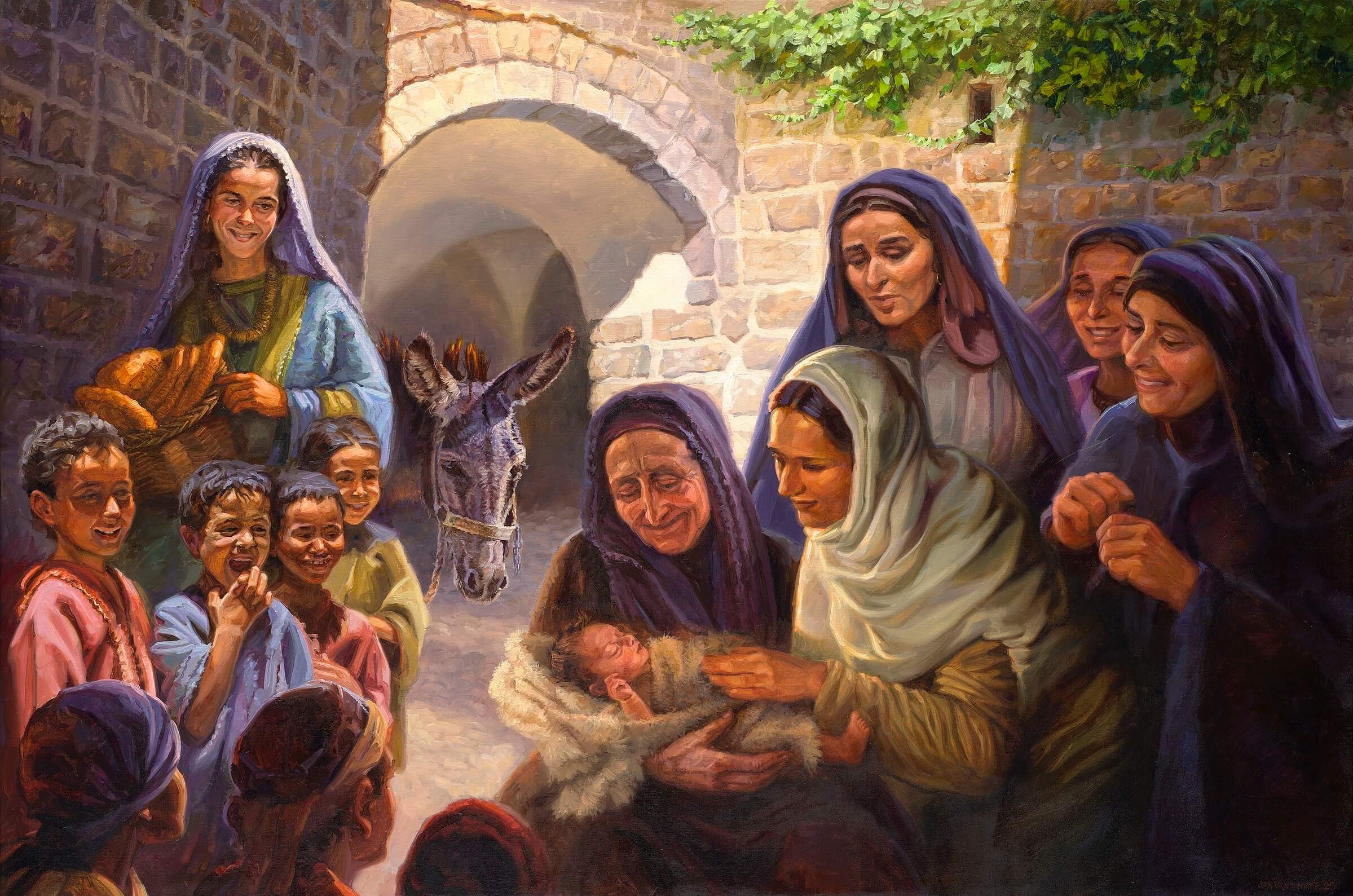
The story of Book of Ruth presents one of the most powerful emotional transformations in the Bible. The character of Naomi begins the narrative overwhelmed by grief and bitterness, but by the end of the book she experiences deep joy and restoration. This dramatic contrast highlights themes of faith, redemption, loyalty, and God’s providence. Through the love and faithfulness of Ruth, the kindness of Boaz, and the birth of Obed, Naomi’s life moves from despair to hope.
Understanding this contrast helps readers see how suffering can be transformed into blessing and how God can restore even the most broken situations.
Naomi’s Bitterness at the Beginning
At the start of the story, Naomi’s life is marked by tragedy and loss. She and her husband, Elimelech, leave their hometown of Bethlehem because of a famine. They settle in Moab with their two sons, hoping for a better future. However, their lives soon collapse into sorrow.
The Causes of Naomi’s Bitterness
Several devastating events shape Naomi’s bitterness:
-
Loss of her husband: Elimelech dies, leaving Naomi a widow.
-
Loss of her sons: Both of her sons die after marrying Ruth and Orpah.
-
Economic hardship: As a widow without sons, Naomi faces poverty.
-
Loneliness and displacement: She lives in a foreign land without family support.
These tragedies cause Naomi to feel abandoned and hopeless. When she returns to Bethlehem, she expresses her pain openly.
Naomi Renames Herself “Mara”
One of the clearest expressions of Naomi’s bitterness occurs when she speaks to the women of Bethlehem:
-
She tells them not to call her Naomi.
-
Instead, she asks to be called Mara, meaning “bitter.”
Her statement reflects her emotional state:
-
“I went away full, but the Lord has brought me back empty.”
This moment shows that Naomi believes her life has been stripped of all joy. She sees herself as someone who has lost everything—family, security, and happiness.
Naomi’s Sense of Emptiness
Naomi’s bitterness is rooted in the feeling that God has turned against her. She interprets her suffering as divine judgment or misfortune. Her perspective is shaped by grief, making it difficult for her to see any possibility of hope.
At this stage in the narrative, Naomi appears:
-
Broken by loss
-
Emotionally exhausted
-
Spiritually discouraged
-
Convinced her future holds nothing good
However, the story does not end with this despair.
The Role of Ruth in Naomi’s Transformation
Naomi’s life begins to change because of Ruth’s loyalty. Ruth refuses to abandon her mother-in-law even when Naomi encourages her to return home.
Ruth famously declares:
-
“Where you go I will go.”
-
“Your people will be my people, and your God my God.”
This commitment marks the beginning of Naomi’s restoration.
Ruth’s Faithfulness
Ruth demonstrates extraordinary dedication through several actions:
-
She leaves her homeland to stay with Naomi.
-
She works hard by gleaning grain to provide food.
-
She respects Naomi and follows her guidance.
Through Ruth’s loyalty, Naomi slowly begins to experience hope again.
Boaz and the Turning Point
Another key figure in Naomi’s transformation is Boaz. As a relative of Naomi’s deceased husband, he has the role of kinsman-redeemer, someone who can restore family security.
Boaz’s Kindness
Boaz shows remarkable generosity:
-
He allows Ruth to gather grain safely in his fields.
-
He protects her from harm.
-
He provides extra food for Naomi and Ruth.
When Naomi learns that Ruth is working in Boaz’s field, she begins to recognize a new possibility for redemption.
Naomi’s Renewed Hope
For the first time in the story, Naomi expresses optimism. She realizes that Boaz might restore their family line and secure their future.
This marks the turning point where Naomi’s bitterness starts giving way to hope.
Naomi’s Joy at the End of the Story
The climax of the book occurs when Boaz marries Ruth. This marriage restores Naomi’s family and brings new life into her household.
The Birth of Obed
Ruth and Boaz have a son named Obed. The women of Bethlehem celebrate Naomi, saying:
-
“Praise be to the Lord, who has not left you without a redeemer today.”
Naomi holds her grandson in her arms, symbolizing the complete reversal of her earlier emptiness.
Naomi’s Restoration
At the end of the story, Naomi experiences several blessings:
-
Family restored: She now has a grandson.
-
Community support: The women of Bethlehem rejoice with her.
-
Hope for the future: Obed becomes part of a significant family line.
Obed later becomes the grandfather of King David, giving Naomi’s story lasting significance.
Key Contrasts Between Naomi’s Beginning and Ending
The transformation in Naomi’s life can be clearly seen through these contrasts:
| Beginning of the Story | End of the Story |
|---|---|
| Widow and childless | Grandmother of Obed |
| Calls herself “Mara” (bitter) | Praised by the community |
| Feels empty and abandoned | Experiences fullness and joy |
| Believes God has afflicted her | Sees God’s redemption |
| Lives in grief and poverty | Restored with family and hope |
This contrast highlights the powerful message that suffering is not the final chapter.
Theological and Moral Significance
Naomi’s journey teaches several important lessons:
1. God Can Turn Tragedy into Blessing
Even when life appears hopeless, circumstances can change dramatically.
2. Loyalty and Love Bring Redemption
Ruth’s faithfulness plays a crucial role in Naomi’s restoration.
3. God Works Through Ordinary People
The kindness of Ruth and Boaz becomes the means through which Naomi’s life is transformed.
4. Suffering Is Not the End
Naomi’s story demonstrates that pain can eventually lead to renewal and joy.
Conclusion
The contrast between Naomi’s bitterness at the beginning of the Book of Ruth and her joy at the end is one of the most moving transformations in biblical literature. At first, Naomi sees her life as empty and bitter after losing her husband and sons. However, through Ruth’s loyalty, Boaz’s kindness, and the birth of Obed, Naomi experiences complete restoration.
Her journey from despair to joy illustrates the powerful biblical theme of redemption. What begins as a story of grief ultimately becomes a story of hope, reminding readers that even the deepest sorrow can be transformed into unexpected blessing.
Comments are closed.