How God Uses Ruth’s and Boaz’s Decisions to Redeem Naomi’s Family
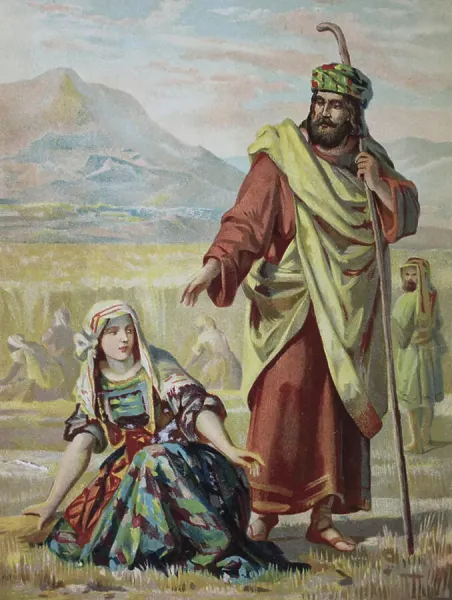
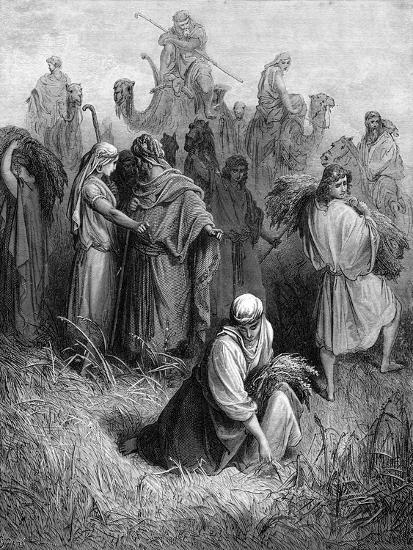

The story recorded in the Book of Ruth is one of the most beautiful demonstrations of how God works through ordinary choices to accomplish extraordinary purposes. Through the faithful actions of Ruth and Boaz, God gradually restores the broken family of Naomi.
At first glance, their decisions appear small and simple—choosing loyalty, kindness, generosity, and obedience. Yet each step becomes part of God’s greater plan of redemption that ultimately leads to the lineage of King David and eventually Jesus Christ.
This narrative reveals a powerful biblical principle: God often accomplishes His purposes through everyday decisions made in faith.
Naomi’s Crisis: The Need for Redemption
The story begins with tragedy. Naomi loses her husband and both of her sons while living in Moab. Left without family protection or financial support, Naomi faces a future of poverty and grief.
In ancient Israelite culture, widows were among the most vulnerable people. Without a husband or sons, Naomi had no one to provide for her.
When Naomi decides to return to Bethlehem, she encourages her daughters-in-law to stay behind. However, Ruth makes a life-changing decision.
Ruth’s First Small but Powerful Decision
Ruth declares her loyalty:
“Where you go I will go, and where you stay I will stay.”
This decision includes several sacrifices:
-
Leaving her homeland
-
Abandoning her cultural identity
-
Following Naomi into an uncertain future
-
Trusting Naomi’s God
Although it appears to be a personal act of loyalty, this moment becomes the first step in God’s redemptive plan.
Ruth’s Humble Choice to Glean
When Ruth and Naomi arrive in Bethlehem, they still face poverty. Ruth decides to glean in the fields to gather leftover grain after harvesters have passed.
Gleaning was a provision in Israelite law designed to help the poor survive.
Ruth’s decision to work in the fields seems small, but the text highlights a surprising detail:
“She happened to come to the part of the field belonging to Boaz.”
This “coincidence” reveals God’s hidden guidance. The field belongs to Boaz, a relative of Naomi’s deceased husband and someone capable of redeeming the family.
Why This Decision Matters
Ruth’s willingness to work demonstrates:
-
Humility
-
Responsibility
-
Faithfulness
-
Dependence on God
Her ordinary effort positions her exactly where God wants her to be.
Boaz’s Choice to Show Kindness
When Boaz notices Ruth, he learns about her loyalty to Naomi. Instead of ignoring her, Boaz chooses to show unusual generosity.
His actions include:
-
Allowing Ruth to glean freely
-
Protecting her from harassment
-
Providing water and food
-
Instructing workers to leave extra grain for her
These decisions reflect Boaz’s character and obedience to God’s law.
The Impact of Boaz’s Generosity
Boaz’s kindness accomplishes several things:
-
It ensures Ruth and Naomi have food.
-
It builds trust between Ruth and Boaz.
-
It begins the process of family restoration.
Though Boaz likely sees his actions as simple generosity, God is using them to move the story toward redemption.
Naomi’s Strategic Decision
When Naomi hears about Boaz’s kindness, she recognizes an important opportunity.
Boaz is a kinsman-redeemer, meaning he has the legal right to redeem the family property and preserve the family line.
Naomi instructs Ruth to approach Boaz at the threshing floor and respectfully request his protection.
Why This Step Is Important
This moment requires courage from Ruth. She risks misunderstanding and rejection.
Yet Ruth obeys Naomi’s guidance and approaches Boaz with humility.
Her request essentially asks Boaz to become the family’s redeemer.
Boaz’s Righteous Decision to Redeem
Boaz responds with honor and integrity. Although he is willing to marry Ruth and redeem Naomi’s family, he follows proper legal procedure.
Another relative has a closer claim.
Boaz publicly presents the situation before community elders at the city gate.
Boaz’s Key Actions
-
He offers the other relative the opportunity to redeem the land.
-
When the relative declines, Boaz legally accepts the responsibility.
-
He marries Ruth and restores Naomi’s family inheritance.
Boaz’s obedience to law and compassion toward Naomi’s family demonstrate righteousness and faithfulness.
The Outcome: Redemption and Restoration
Through the decisions of Ruth and Boaz, Naomi’s life is transformed.
Instead of emptiness and grief, she experiences restoration.
Ruth and Boaz have a son named Obed, who becomes the grandfather of King David.
This moment carries enormous significance in biblical history.
The Family Line That Follows
Obed becomes part of a lineage that includes:
-
King David
-
The royal line of Israel
-
Eventually Jesus Christ
What began as a story about a struggling widow becomes part of God’s global plan of salvation.
Lessons About God’s Providence
The narrative teaches several important spiritual lessons.
1. God Works Through Ordinary Choices
Ruth’s decisions seem simple:
-
Staying with Naomi
-
Working in a field
-
Following wise counsel
Yet these actions position her within God’s plan.
2. Faithfulness Opens the Door for Blessing
Both Ruth and Boaz demonstrate consistent faithfulness.
Their character allows God’s purposes to unfold naturally.
3. Redemption Often Begins with Small Steps
God rarely reveals the entire plan at once.
Instead, He works through a series of small acts of obedience.
4. God Uses People to Bring Restoration
Boaz becomes a redeemer who restores Naomi’s family.
This role foreshadows the ultimate redemption found in Christ.
Conclusion
The story in the Book of Ruth beautifully illustrates how God orchestrates His plans through everyday decisions. Ruth’s loyalty, humility, and courage combine with Boaz’s generosity and righteousness to bring redemption to Naomi’s family.
None of their choices appear extraordinary at first. Yet God uses each moment—gleaning in a field, offering kindness, following wise counsel—to guide the story toward restoration.
Ultimately, this narrative reminds readers that God’s providence often works quietly through ordinary faithfulness. Small acts of obedience can become part of a much larger divine plan, shaping history and revealing God’s redemptive purposes.
Comments are closed.