How Does Fear Influence Saul’s Decisions?
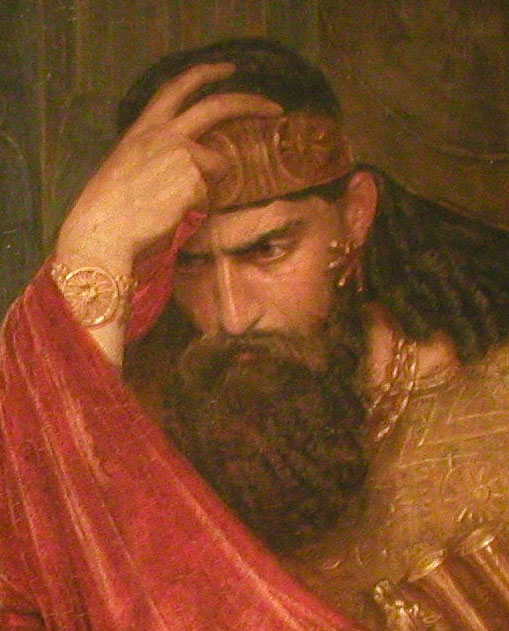
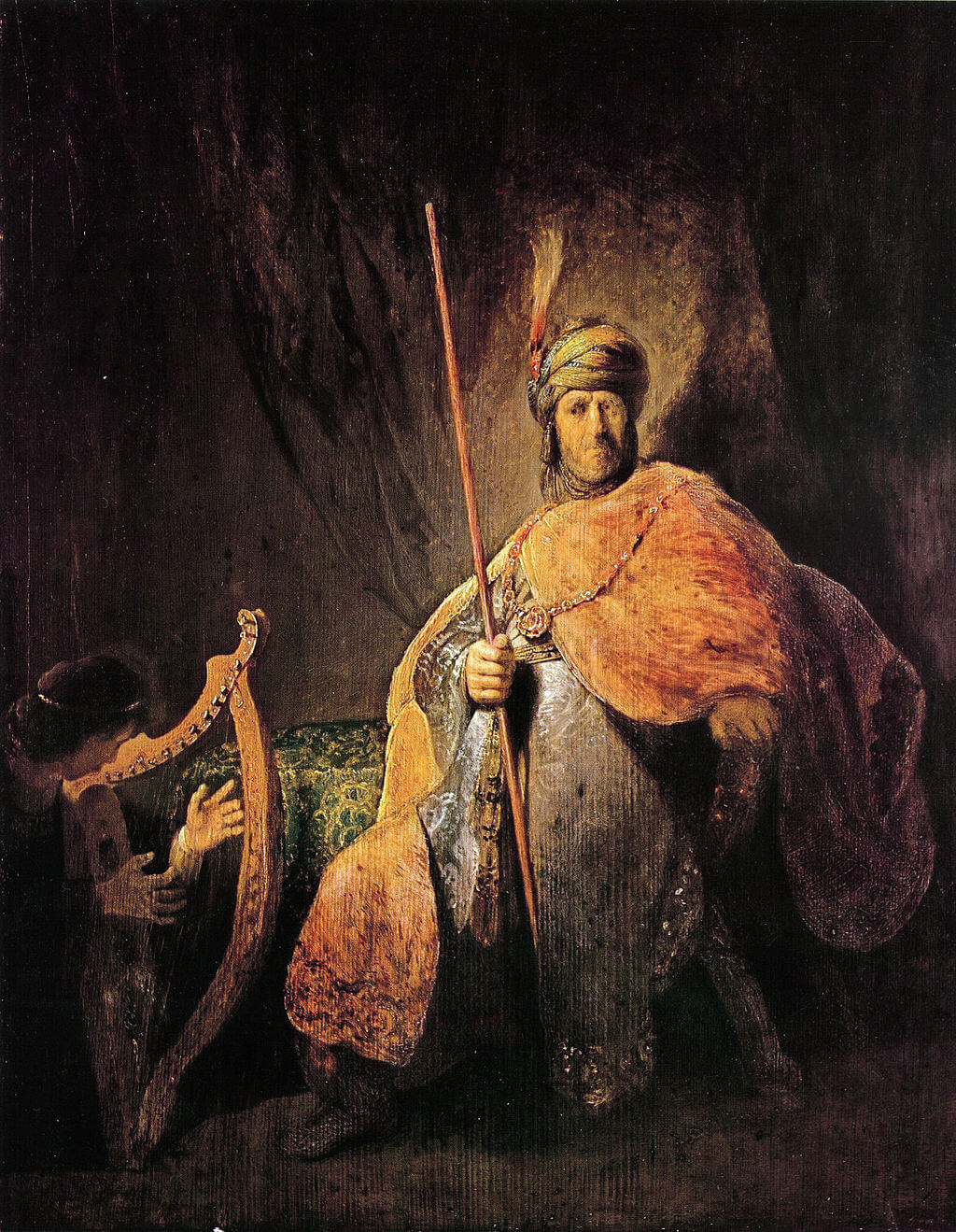
Fear is a powerful emotion that can shape human decisions, often leading to impulsive actions and poor judgment. In the Bible, the story of Saul—the first king of Israel—provides a clear example of how fear can influence leadership and spiritual choices. Throughout the books of 1 Samuel, Saul’s fear gradually grows and begins to dominate his decisions. Instead of trusting God, Saul increasingly relies on his own instincts, political survival, and emotional reactions.
By examining Saul’s life, we can see how fear affects leadership, relationships, obedience to God, and ultimately a person’s destiny.
Saul: The First King of Israel
Saul was chosen by God and anointed by the prophet Samuel to become the first king over Israel. At the beginning of his reign, Saul showed humility and courage. He led Israel to victories against enemies such as the Philistines and united the tribes under one monarchy.
However, Saul’s character gradually changed. As challenges increased, fear began to replace faith. Instead of relying on God’s guidance, Saul began making decisions driven by anxiety, insecurity, and jealousy.
This transformation reveals how fear can slowly undermine a leader’s wisdom and obedience.
Fear of Losing Control
One of the earliest examples of Saul’s fear appears during a military crisis.
The Situation
-
Israel faced the powerful Philistine army.
-
The prophet Samuel had instructed Saul to wait for him before offering sacrifices to God.
-
Saul waited several days as his soldiers began to scatter in fear.
Saul’s Fearful Decision
Because Saul feared losing his army and control of the situation, he decided to offer the sacrifice himself, something only a priest or prophet was allowed to do.
The Consequence
When Samuel arrived, he rebuked Saul for disobeying God. This moment marked the beginning of Saul’s downfall as king.
Lesson:
Fear can push people to act prematurely, ignoring wisdom, patience, and divine instruction.
Fear of Public Opinion
Another major moment influenced by fear occurred after Saul defeated the Amalekites.
God’s Command
Through Samuel, God commanded Saul to completely destroy the Amalekites and their possessions.
Saul’s Compromise
Instead of fully obeying:
-
Saul spared King Agag.
-
He allowed the people to keep the best livestock.
When confronted, Saul admitted something revealing:
“I feared the people and obeyed their voice.”
Why This Matters
Saul feared public opinion more than God’s command. This fear of people led him to partial obedience.
Spiritual Impact
Because of this act, God rejected Saul as king, declaring that his kingdom would not endure.
Lesson:
Fear of people can cause leaders to compromise their values and abandon obedience.
Fear of David’s Success
Perhaps the most destructive fear in Saul’s life was his fear of David.
The Trigger
After David defeated Goliath, the people of Israel celebrated him with songs:
-
“Saul has slain his thousands”
-
“David his tens of thousands”
Instead of celebrating David’s success, Saul became afraid.
Saul’s Reaction
His fear turned into jealousy and suspicion:
-
Saul attempted to kill David with a spear.
-
He sent David into dangerous battles hoping he would die.
-
He spent years chasing David through the wilderness.
Psychological Effect
Fear distorted Saul’s perception:
-
He saw David as a threat rather than a loyal servant.
-
He became consumed with protecting his throne.
-
His leadership deteriorated as his focus shifted from governing to revenge.
Lesson:
Fear often leads to jealousy, competition, and destructive relationships.
Fear Leading to Spiritual Desperation
As Saul’s reign neared its end, his fear reached its peak.
The Philistines gathered for a massive battle, and Saul desperately sought guidance from God. However, because of his repeated disobedience, God no longer answered him.
Saul’s Final Fearful Decision
In desperation, Saul visited the Witch of Endor, a forbidden medium, attempting to summon the spirit of Samuel.
This act directly violated God’s law.
Why He Did It
Saul’s fear of defeat and death drove him to seek guidance from occult practices rather than trusting God.
The Result
Samuel’s spirit foretold Saul’s defeat. Soon after, Saul and his sons died in battle against the Philistines.
Lesson:
Fear can drive people toward desperate and spiritually dangerous decisions.
The Progressive Nature of Fear
Saul’s story shows that fear rarely appears suddenly—it grows gradually when faith weakens.
Stages of Fear in Saul’s Life
-
Fear of circumstances – Impatient sacrifice before Samuel arrived.
-
Fear of people – Compromising God’s command regarding the Amalekites.
-
Fear of competition – Jealousy and pursuit of David.
-
Fear of defeat – Consulting the Witch of Endor.
Each step pushed Saul further away from God.
Leadership Lessons from Saul’s Fear
Saul’s life provides powerful lessons for leaders, believers, and anyone facing pressure.
Key Lessons
-
Fear can cloud judgment and lead to impulsive decisions.
-
Fear of people can compromise moral integrity.
-
Fear can turn allies into perceived enemies.
-
Fear without faith leads to spiritual decline.
In contrast, David—who later became king—often responded to danger with prayer and trust in God rather than fear.
Conclusion
The story of Saul demonstrates how fear can influence decisions in destructive ways when it replaces trust in God. Saul began his reign with promise and potential, but his increasing fear led to impatience, disobedience, jealousy, and spiritual desperation.
Instead of trusting God’s guidance, Saul allowed fear to dictate his actions. This ultimately cost him his kingdom, his peace, and his life.
Saul’s life serves as a warning that fear, when unchecked, can slowly erode character and leadership. At the same time, his story encourages believers to place their confidence not in circumstances or human approval but in faith and obedience to God.