How David’s Response to Goliath Reveals Faith and Covenant Understanding
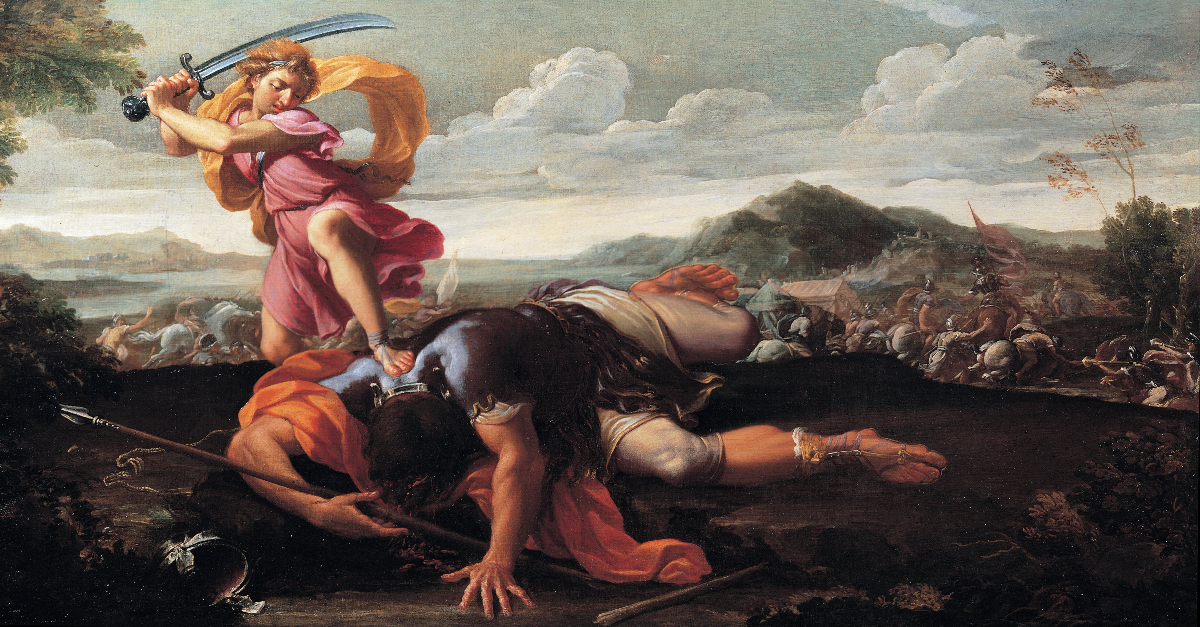
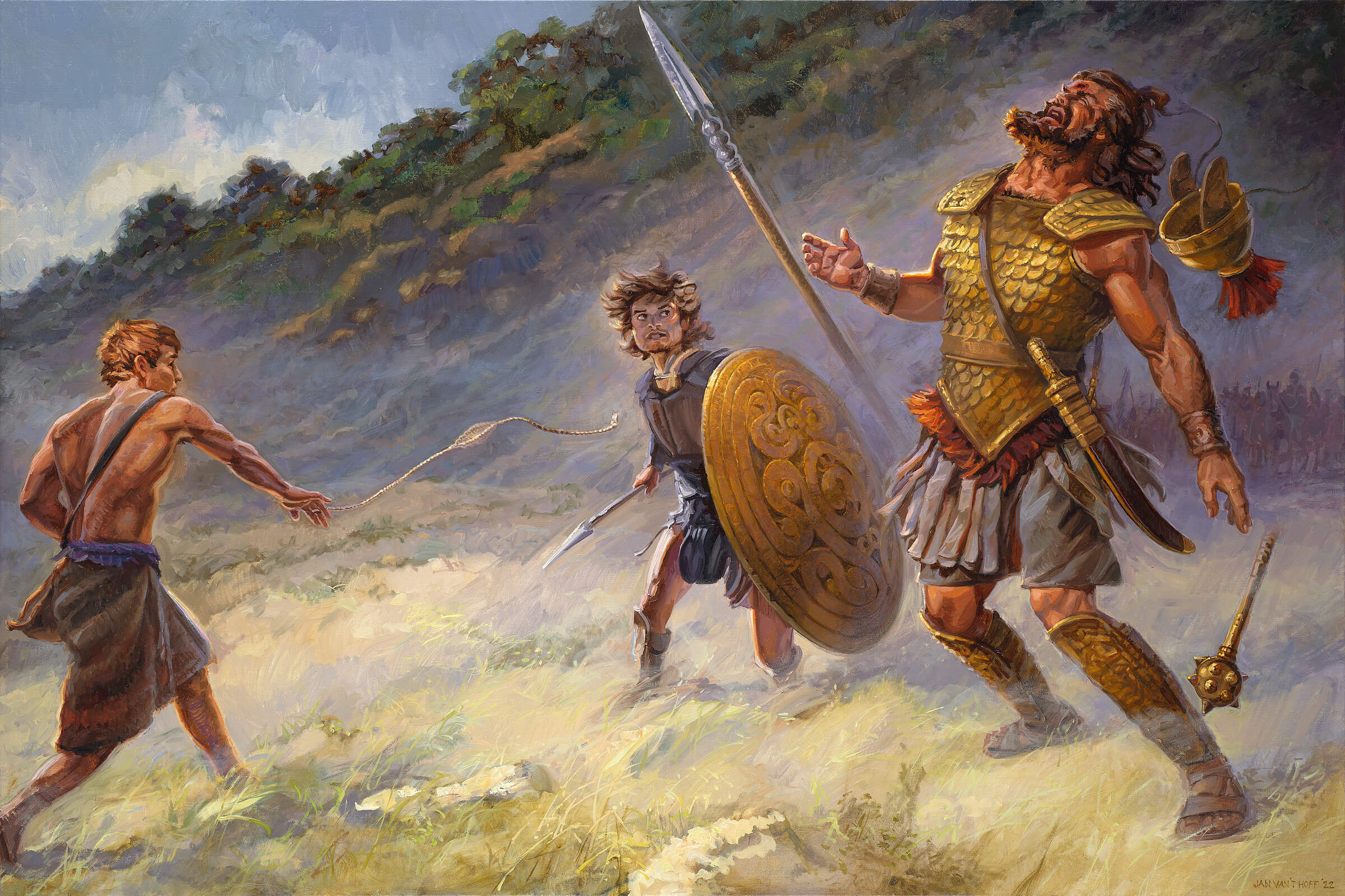
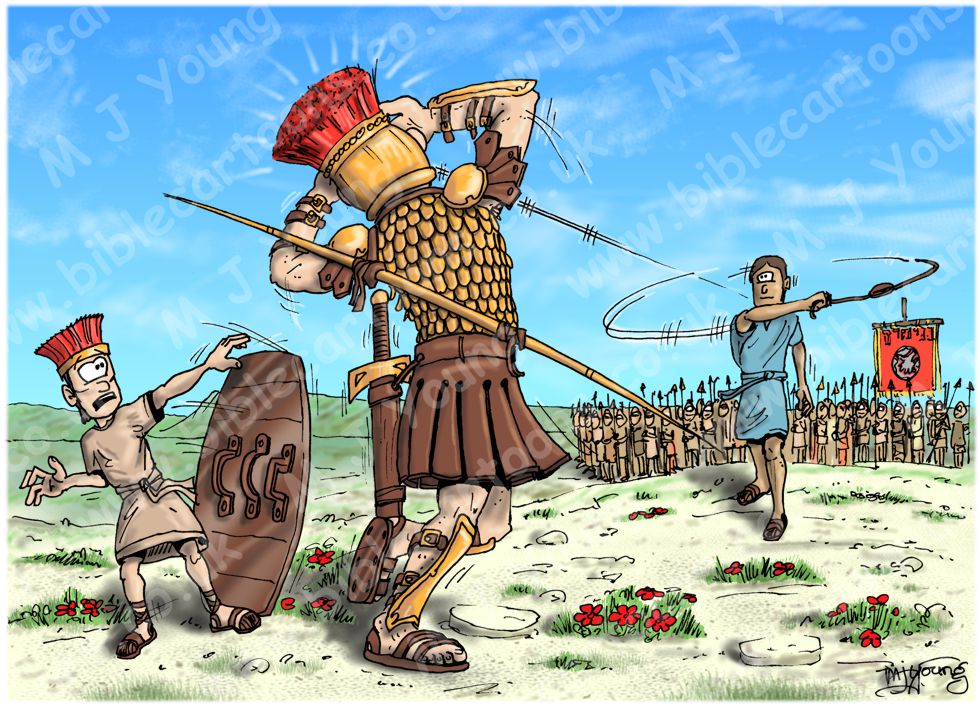
The dramatic confrontation between David and Goliath in First Book of Samuel chapter 17 is one of the most famous stories in the Bible. However, beyond the thrilling victory of a young shepherd over a giant warrior, the narrative reveals something much deeper: David’s profound faith in God and his clear understanding of Israel’s covenant relationship with the Lord.
David’s response to Goliath was not merely an act of bravery; it was rooted in a strong theological conviction. He believed that God had made a covenant with Israel and that this covenant guaranteed God’s presence, protection, and honor among His people. David’s words and actions show that he viewed the battle not as a personal duel but as a spiritual conflict about the glory of God.
Historical Context of the Battle
The story takes place when the armies of the Israelites faced the Philistines in the Valley of Elah. For forty days, Goliath challenged Israel to send a champion to fight him. His insults were not only directed at Israel’s army but also at Israel’s God.
King Saul and the Israelite soldiers were terrified. They viewed the situation through a human perspective—seeing only Goliath’s size, armor, and military experience. David, however, saw the situation through the lens of faith and covenant loyalty.
This difference in perspective explains why David was willing to confront the giant when no one else would.
David’s Faith in God’s Power
One of the clearest expressions of David’s faith is found in his declaration to Goliath:
“You come against me with sword and spear and javelin, but I come against you in the name of the Lord Almighty.”
This statement demonstrates several aspects of David’s faith:
1. Trust in God Rather Than Weapons
David refused to rely on King Saul’s armor or conventional military tools.
Instead, he used:
-
A sling
-
Five smooth stones
-
His experience as a shepherd
This decision symbolized his confidence that victory would come from God, not human strength.
2. Confidence Based on Past Experiences
David reminded Saul that God had delivered him from a lion and a bear while protecting his sheep.
These experiences strengthened his faith because they showed that:
-
God protects those who trust Him
-
God prepares His servants through smaller trials before greater challenges
David understood that the same God who rescued him before would rescue him again.
3. Boldness Rooted in Faith
Faith produced courage. While the Israelite army trembled, David ran toward the battle line.
His courage was not arrogance but confidence in God’s sovereignty.
David’s Understanding of the Covenant
David’s response also reveals a deep understanding of Israel’s covenant with God.
What Is a Covenant?
In the Old Testament, a covenant is a sacred agreement between God and His people. Through covenants with figures like Abraham and Moses, God promised to:
-
Protect Israel
-
Be their God
-
Defend His name among the nations
David believed these promises were still active and meaningful.
Goliath’s Challenge as an Attack on God
David interpreted Goliath’s insults differently from everyone else.
While others heard a military challenge, David heard a spiritual insult.
He called Goliath:
“This uncircumcised Philistine.”
This phrase is significant because it highlights the covenant distinction between Israel and its enemies.
Meaning of “Uncircumcised”
Circumcision was the sign of God’s covenant with Abraham.
By calling Goliath uncircumcised, David emphasized that:
-
Goliath had no covenant relationship with God
-
Israel belonged to God
-
Therefore, God would defend His people and His honor
The Purpose of the Battle: God’s Glory
David made it clear that the battle was not about personal fame or national pride.
Instead, he declared:
“All the earth will know that there is a God in Israel.”
This statement reveals David’s covenant theology.
The victory would accomplish three purposes:
1. Demonstrate God’s Sovereignty
David believed the battle belonged to God.
He famously said:
-
“The battle is the Lord’s.”
This phrase emphasizes that God controls outcomes, not human power.
2. Restore Israel’s Faith
The Israelite army had lost confidence in God.
David’s victory reminded them that God was still their defender.
3. Reveal God to the Nations
David understood that Israel’s mission was to reveal God to the world.
By defeating Goliath, God’s reputation would spread among surrounding nations.
Faith Expressed Through Action
David’s faith was not passive. It was active and obedient.
He demonstrated faith through several decisive actions:
-
Volunteering to fight the giant
-
Rejecting Saul’s armor
-
Running toward the battlefield
-
Declaring God’s victory before it happened
This combination of faith and action is a key biblical principle.
True faith trusts God while also stepping forward in obedience.
Theological Lessons from David’s Response
David’s response to Goliath teaches several important spiritual truths.
1. Faith Sees Beyond Circumstances
While others focused on Goliath’s size, David focused on God’s power.
Faith changes perspective.
2. God Defends His Name
David understood that God would not allow His name to be dishonored forever.
When Goliath mocked Israel, he was ultimately mocking God.
3. God Uses Unexpected People
David was:
-
Young
-
A shepherd
-
Militarily inexperienced
Yet God chose him to defeat Israel’s greatest enemy.
This pattern appears throughout Scripture: God often uses unlikely individuals to accomplish His purposes.
4. Covenant Relationship Brings Confidence
David’s courage came from knowing that Israel belonged to God.
The covenant relationship gave him assurance that God would act on behalf of His people.
Conclusion
David’s response to Goliath reveals far more than a courageous young warrior. It demonstrates a deep faith in God and a clear understanding of Israel’s covenant relationship with Him.
While others saw an impossible battle, David saw an opportunity for God to display His power and defend His honor. By trusting in God rather than weapons or human strength, David showed that victory ultimately belongs to the Lord.
The story reminds believers that faith grounded in God’s promises can overcome even the most intimidating challenges. Just as David trusted God in the face of Goliath, believers today are called to rely on God’s power, remembering that the battle ultimately belongs to Him.
What does Saul’s torment reveal about life without God’s favor?
Comments are closed.