How Does David’s Flight Mark the Beginning of His Testing Period?


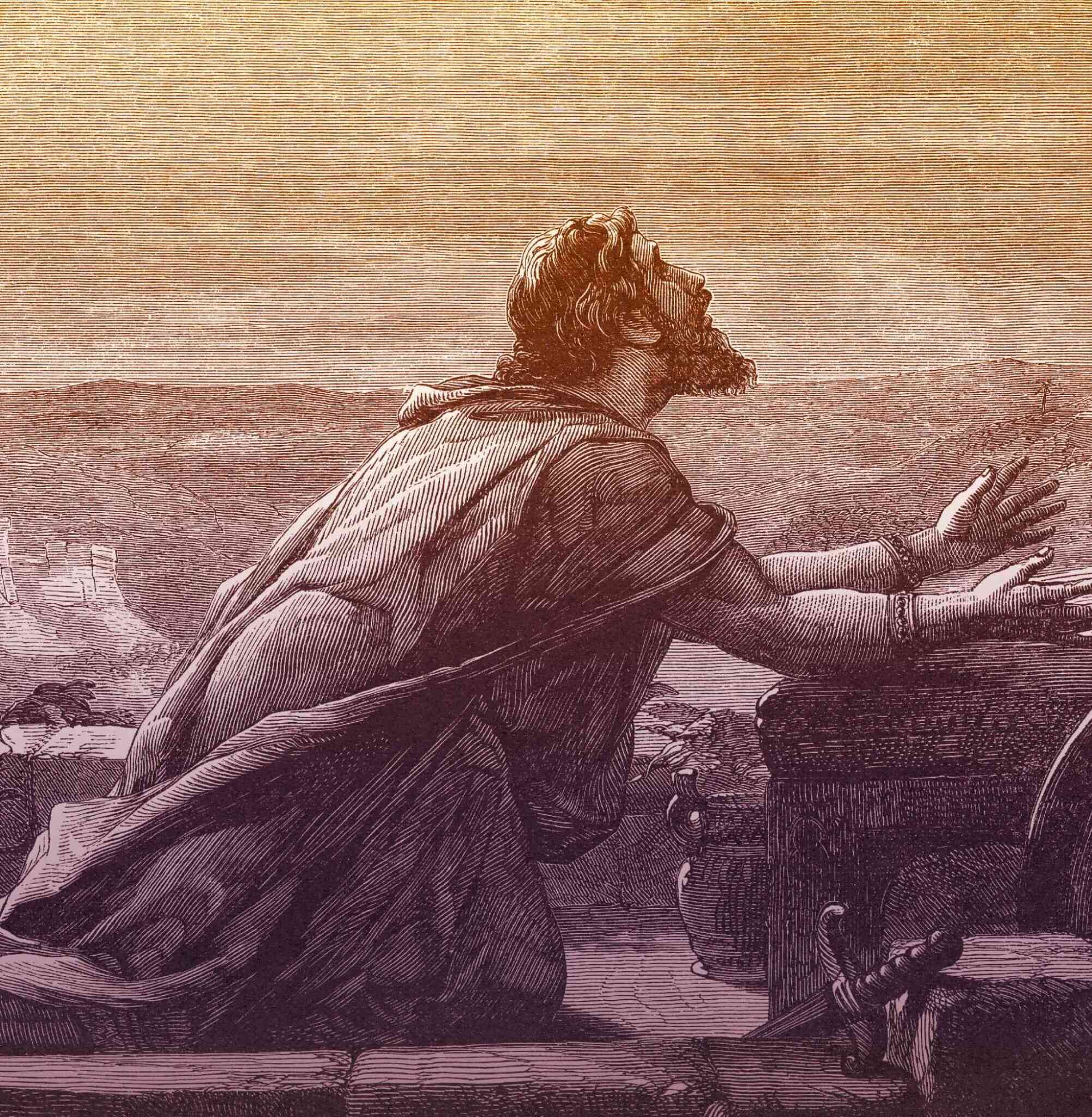
The flight of David from Saul marks a crucial turning point in biblical history. Before this moment, David was a celebrated hero—respected for defeating Goliath and honored within Saul’s royal court. However, when Saul’s jealousy turned into hostility, David was forced to flee for his life.
This dramatic transition begins a long season of trials, wilderness experiences, and spiritual refinement. David’s flight is not merely an escape from danger; it represents the beginning of a divine testing period that prepares him to become the future king of Israel.
The Context of David’s Flight
The events leading to David’s flight are recorded in the First Book of Samuel. After David’s victory over Goliath, his popularity among the people of Israel grew rapidly. Women sang songs praising him, saying Saul had killed thousands, but David tens of thousands.
This praise ignited intense jealousy in Saul. Instead of celebrating David’s success, Saul viewed him as a rival to his throne. His jealousy soon escalated into violent attempts to kill David, including throwing a spear at him while he played the harp.
When Saul’s hostility became undeniable, David realized that staying in the royal court meant certain death. As a result, he fled into the wilderness, marking the beginning of years of hardship and testing.
A Sudden Shift From Honor to Hardship
Before fleeing, David enjoyed a position of honor and security:
-
He served in the royal court.
-
He was married to Saul’s daughter.
-
He was a commander in Israel’s army.
-
He had strong friendships, including with Jonathan.
However, David’s flight drastically changed his circumstances. Instead of living in the palace, he became a fugitive.
This sudden reversal marked the start of a difficult journey characterized by:
-
Constant danger
-
Living in caves and wilderness areas
-
Separation from family and friends
-
Dependence on God for protection
The contrast between his former honor and his new hardship highlights how testing often begins unexpectedly in the lives of those chosen by God.
The Wilderness as a Place of Testing
The wilderness plays a major role in David’s testing period. Much of his time fleeing Saul took place in remote regions such as:
-
The wilderness of Ziph
-
The cave of Adullam
-
The wilderness of En-gedi
These isolated places became David’s training ground.
Lessons David Learned in the Wilderness
During this time, David learned several crucial spiritual lessons:
1. Dependence on God
Without royal protection or resources, David relied entirely on God for survival. Many of the Psalms reflect prayers written during these years of danger and uncertainty.
2. Patience With God’s Timing
Although David had already been anointed as Israel’s future king by Samuel, he refused to seize the throne by force.
On multiple occasions, David had opportunities to kill Saul but chose not to harm “the Lord’s anointed.” This demonstrated remarkable restraint and trust in God’s timing.
3. Development of Leadership
While hiding from Saul, David gathered a group of followers who later became his mighty warriors. These men were initially described as distressed or troubled, yet under David’s leadership they became a powerful and loyal force.
This period helped David develop the leadership skills necessary for ruling a nation.
Moral and Spiritual Testing
David’s flight also involved deep moral challenges. Being pursued unjustly by a king would tempt many people toward bitterness, revenge, or rebellion.
However, David repeatedly chose righteousness over retaliation.
Examples of David’s Integrity
-
He spared Saul’s life in a cave when he had the chance to kill him.
-
He respected Saul’s authority as king.
-
He trusted God to judge between himself and Saul.
These actions reveal that David’s testing was not only about survival but also about character development.
God was shaping David into a leader who ruled with humility, restraint, and reverence for divine authority.
Emotional and Personal Struggles
David’s flight was also emotionally painful. During this period he experienced:
-
Fear for his life
-
Loneliness and isolation
-
Betrayal and betrayal threats
-
Uncertainty about the future
Several Psalms reflect these emotions. David openly expressed his fears, frustrations, and hopes in prayer.
Yet these struggles strengthened his faith. Through hardship, David developed a deeper relationship with God, which later defined his kingship.
Preparation for Future Kingship
David’s years as a fugitive were not wasted. Instead, they served as preparation for his future role as king.
Through these experiences, David gained:
-
Military strategy and survival skills
-
Loyalty from followers who would later serve him
-
Spiritual maturity and humility
-
A deep understanding of justice and mercy
Without this testing period, David might not have been ready to lead Israel effectively.
Lessons for Believers Today
David’s flight offers powerful lessons for modern readers:
-
God often prepares leaders through trials before giving them authority.
-
Periods of hardship can be times of spiritual growth.
-
Waiting on God’s timing requires patience and trust.
-
Integrity during trials reveals true character.
David’s story shows that testing is often part of God’s process for developing faith and leadership.
Conclusion
The flight of David from Saul marks the beginning of one of the most formative periods in his life. What began as a desperate escape became a season of divine preparation.
Through wilderness trials, moral challenges, and emotional struggles, David was shaped into a faithful leader who trusted God above all else. His testing period demonstrates that adversity can serve as a powerful tool in God’s plan to develop character, faith, and leadership.
Ultimately, David’s journey from fugitive to king illustrates a timeless truth: before God elevates someone to a position of influence, He often prepares them through seasons of testing.
What does David’s humility in success teach about leadership?
Comments are closed.