David’s Anointing: God Looks at the Heart, Not the Appearance
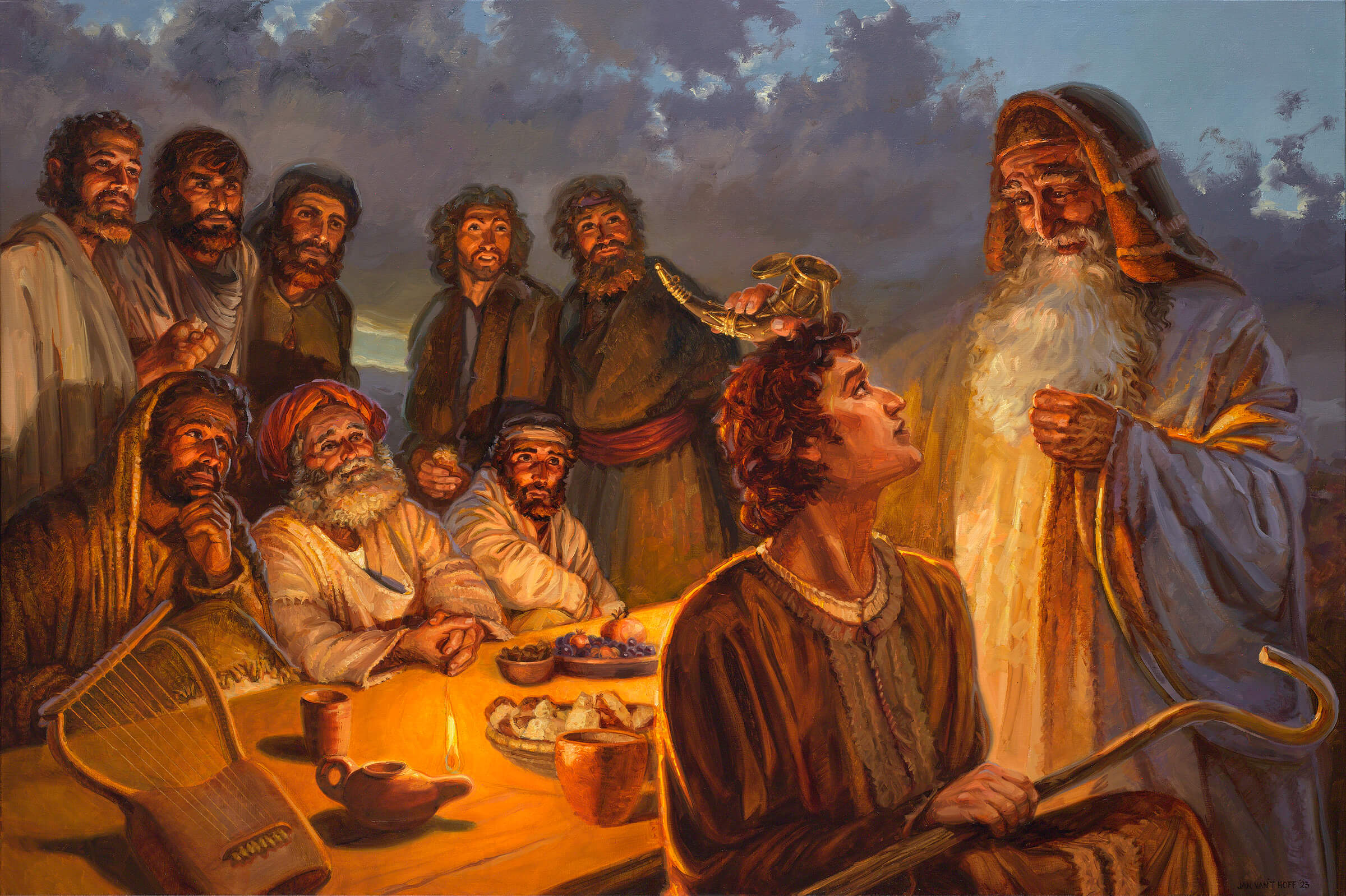


The anointing of David by the prophet Samuel is one of the most powerful moments recorded in the Book of 1 Samuel. This event, found in 1 Samuel 16, reveals a profound truth about God’s character: God evaluates people based on the condition of their hearts rather than their outward appearance.
At a time when Israel expected a king who looked strong and impressive, God chose a young shepherd boy—David—who seemed unlikely by human standards. Through this story, the Bible teaches that spiritual character matters far more than physical appearance, social status, or human expectations.
The Historical Context of David’s Anointing
Before David was chosen, Israel already had a king: Saul. Saul initially appeared to be the perfect ruler. He was tall, handsome, and looked like a king. However, Saul repeatedly disobeyed God, demonstrating that outward qualities cannot replace obedience and faithfulness.
Because of Saul’s rebellion, God instructed the prophet Samuel to travel to Bethlehem and anoint a new king from the family of Jesse.
When Samuel arrived, Jesse presented his sons one by one. Each seemed impressive—especially the eldest, Eliab. Samuel immediately assumed Eliab must be God’s chosen king. Yet God corrected Samuel with a famous statement:
“People look at the outward appearance, but the Lord looks at the heart.” (1 Samuel 16:7)
This verse becomes the central lesson of David’s anointing.
Why God Rejected Outward Appearance
Human beings often evaluate leadership using visible qualities such as strength, beauty, charisma, or wealth. However, God revealed that these characteristics are not the most important indicators of a person’s spiritual suitability.
Common Human Standards for Leadership
People tend to focus on:
-
Physical strength or height
-
Charisma and public presence
-
Social influence or reputation
-
Family position or status
These qualities influenced how Israel initially accepted Saul as king. Yet Saul’s inner character eventually failed.
God’s Different Standard
God instead focuses on:
-
Faithfulness
-
Humility
-
Obedience
-
Integrity
-
Devotion to God
David possessed these inner qualities even though he appeared insignificant to others.
David: The Unexpected Choice
After Samuel examined Jesse’s older sons, none were chosen. Finally Samuel asked if there were any others. Jesse replied that the youngest son, David, was still tending sheep in the fields.
At that moment, David did not look like a future king. He was:
-
The youngest in his family
-
A simple shepherd
-
Not involved in the family gathering
-
Largely overlooked by others
Yet when David arrived, God immediately told Samuel to anoint him.
Samuel poured oil on David’s head, symbolizing that God had chosen him as the future king of Israel. The Bible also records that the Spirit of the Lord came powerfully upon David from that day forward.
The Meaning of “God Looks at the Heart”
The statement in 1 Samuel 16:7 reveals an essential theological truth: God evaluates the internal character of a person rather than external appearances.
1. God Sees True Character
People can easily disguise their intentions through outward actions. However, God sees deeper into the motivations, desires, and faith of the human heart.
David demonstrated:
-
Trust in God
-
Courage rooted in faith
-
A desire to honor God
These qualities later became visible when David faced challenges such as defeating Goliath.
2. God Chooses the Humble
David’s life illustrates how God often chooses individuals who appear insignificant by worldly standards.
Throughout the Bible, God frequently selects unlikely people, including:
-
Shepherds
-
Younger siblings
-
Outsiders
-
Ordinary workers
This pattern highlights that God’s power works through humility rather than human pride.
3. Inner Transformation Matters Most
God’s focus on the heart emphasizes spiritual transformation. True leadership and faithfulness come from a changed heart devoted to God.
David himself later expressed this truth in the Psalms, praying for God to create a pure heart within him.
Lessons for Believers Today
The story of David’s anointing remains deeply relevant for modern readers. It challenges cultural assumptions about success, leadership, and value.
Important Spiritual Lessons
-
Character matters more than appearance.
-
God values faithfulness over popularity.
-
True leadership begins with humility.
-
Spiritual devotion is more important than external success.
These lessons encourage believers to prioritize inner spiritual growth rather than focusing only on outward achievements.
David as “A Man After God’s Heart”
Later in Scripture, David is described as “a man after God’s own heart.” This does not mean David was perfect—he made serious mistakes during his life. However, his defining trait was his willingness to repent, seek God, and pursue righteousness.
David’s heart for God was expressed through:
-
Worship and music
-
Prayer and repentance
-
Trust during hardship
-
Desire to honor God’s will
Because of this inner devotion, David became one of the most influential kings in Israel’s history.
The Broader Biblical Message
David’s anointing also foreshadows a larger biblical theme: God’s kingdom operates differently from human expectations.
Rather than choosing leaders based on power or appearance, God often works through:
-
The humble
-
The faithful
-
The obedient
This principle later becomes fully realized in the life and ministry of Jesus Christ, who also came in humility rather than royal splendor.
Conclusion
The anointing of David provides a powerful reminder that God values the heart above outward appearance. While people tend to judge by visible qualities, God examines character, faith, and devotion.
David’s story teaches that greatness in God’s eyes is not determined by status, appearance, or power but by a sincere heart committed to Him. This timeless lesson encourages believers to cultivate inner faithfulness, humility, and obedience, trusting that God sees what others cannot.
What does Saul’s confession reveal about his concern for public image?
Comments are closed.