How Does David Avoid Taking Vengeance into His Own Hands?


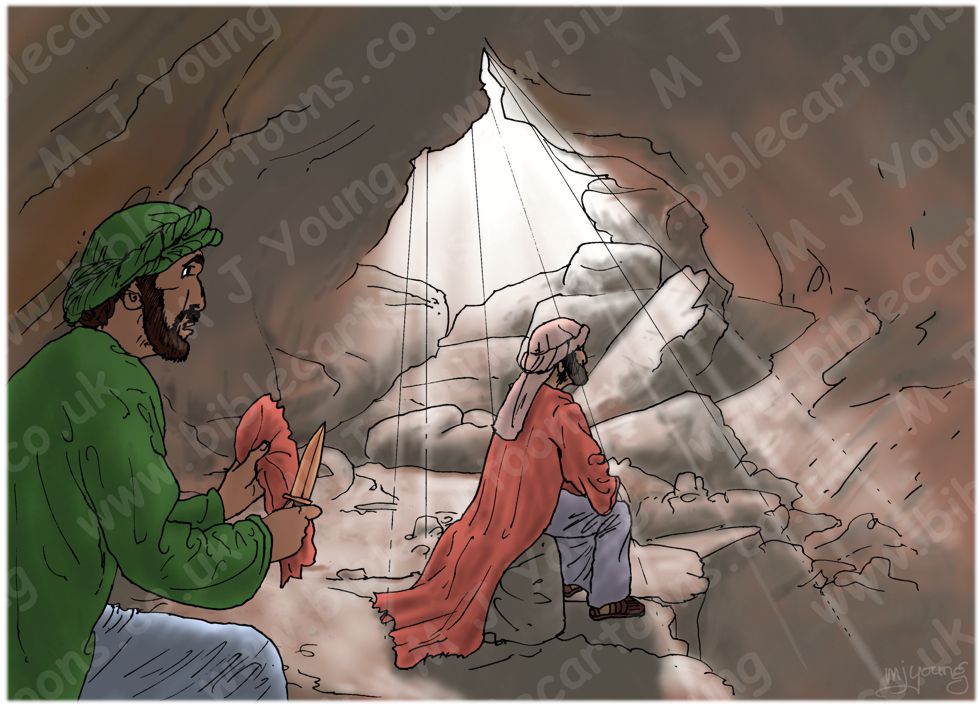
The story of **David sparing the life of King Saul is one of the most powerful demonstrations of restraint, faith, and trust in God in the Bible. Found mainly in First Book of Samuel chapters 24 and 26, this narrative reveals how David chose righteousness over revenge even when he had the perfect opportunity to destroy his enemy.
Although Saul relentlessly pursued David out of jealousy and fear, David refused to take matters into his own hands. Instead, he trusted God’s justice and timing. This event teaches important spiritual lessons about humility, patience, and reliance on God rather than human retaliation.
The Background: Saul’s Jealous Pursuit of David
After David’s victory over Goliath, his popularity grew throughout Israel. The success and admiration he received stirred deep jealousy in Saul. Eventually, Saul began viewing David as a threat to his throne.
As a result:
-
Saul repeatedly attempted to kill David.
-
David was forced to flee into the wilderness.
-
Saul pursued him with thousands of soldiers.
Despite these threats, David continued to respect Saul’s position as the king of Israel.
The Opportunity for Revenge in the Cave
One of the most famous moments occurs in 1 Samuel 24. Saul entered a cave in the wilderness of En Gedi, unaware that David and his men were hiding deeper inside the same cave.
David’s men believed this was a divine opportunity.
They urged David:
-
“This is the day the Lord spoke of!”
-
“Your enemy has been delivered into your hands.”
From a human perspective, killing Saul would have solved all of David’s problems. Saul’s death would end the pursuit and possibly secure David’s path to the throne.
However, David refused to act on revenge.
Instead, he quietly cut off a small piece of Saul’s robe and allowed him to leave unharmed.
David’s Respect for God’s Anointed
After Saul left the cave, David explained his reasoning to his men.
He declared that he would never harm Saul because Saul was “the Lord’s anointed.”
David believed:
-
God had chosen Saul as king.
-
Only God had the authority to remove him.
-
Taking Saul’s life would be an act of rebellion against God.
Even cutting the corner of Saul’s robe troubled David’s conscience. This shows how seriously he respected God’s authority.
Key Principle
David placed obedience to God above personal revenge.
David Publicly Demonstrates His Innocence
After Saul exited the cave, David followed him out and called to him respectfully:
“My lord the king!”
David bowed before Saul and showed the piece of robe he had cut.
He explained:
-
He had the chance to kill Saul.
-
Others encouraged him to do it.
-
Yet he spared Saul’s life.
David then declared that he would leave judgment to God.
This moment demonstrated David’s integrity and proved that he had no desire to harm Saul.
Trusting God Instead of Personal Revenge
David’s actions reveal a profound spiritual truth: true justice belongs to God.
Rather than seeking revenge, David trusted that God would resolve the situation in His own time.
David even said:
“May the Lord judge between you and me.”
This statement reflects several important attitudes:
-
Faith in God’s justice
-
Patience in suffering
-
Humility in leadership
-
Confidence in God’s promises
David believed that if God intended him to become king, God would accomplish it without David committing sin.
David Shows Mercy a Second Time
David demonstrated this restraint again in 1 Samuel 26.
In this second event:
-
Saul’s army slept in the wilderness.
-
David secretly entered Saul’s camp.
-
Saul lay asleep with his spear beside him.
David’s companion suggested killing Saul immediately.
But David refused again, saying:
-
No one who harms the Lord’s anointed will be guiltless.
-
God Himself would determine Saul’s fate.
Instead of killing Saul, David simply took Saul’s spear and water jar to prove he had been close enough to do so.
This second act confirms that David’s refusal to seek revenge was not accidental—it was a consistent moral choice.
Spiritual Lessons from David’s Example
David’s restraint teaches several important lessons for believers today.
1. Trust God’s Justice
When people are wronged, the natural instinct is revenge. David shows that justice ultimately belongs to God.
2. Respect Authority
Even though Saul treated David unjustly, David still honored the position God had given Saul.
3. Resist Peer Pressure
David’s own men urged him to kill Saul, but David followed God rather than human advice.
4. Practice Mercy
Instead of responding to hatred with violence, David responded with mercy and humility.
5. Wait for God’s Timing
David trusted that God’s promises would come true without sinful shortcuts.
Why David’s Response Matters
David’s refusal to take revenge reveals his character and prepares him to become Israel’s future king.
His actions demonstrate:
-
Deep reverence for God
-
Moral self-control
-
Compassion even toward enemies
-
Faith in divine justice
These qualities are essential for righteous leadership.
David’s example also foreshadows later biblical teachings about loving enemies and leaving vengeance to God.
Conclusion
David avoided taking vengeance into his own hands by choosing faith, humility, and obedience to God over anger and retaliation. Even when Saul relentlessly pursued him, David refused to harm the king because he respected God’s authority and trusted in God’s justice.
By sparing Saul’s life—twice—David demonstrated that true strength lies not in revenge but in restraint. His story reminds believers that God’s timing and justice are greater than human retaliation, and that faithfulness to God must always come before personal vengeance.
Comments are closed.