Boaz as Kinsman-Redeemer: Compassion Beyond Legal Duty
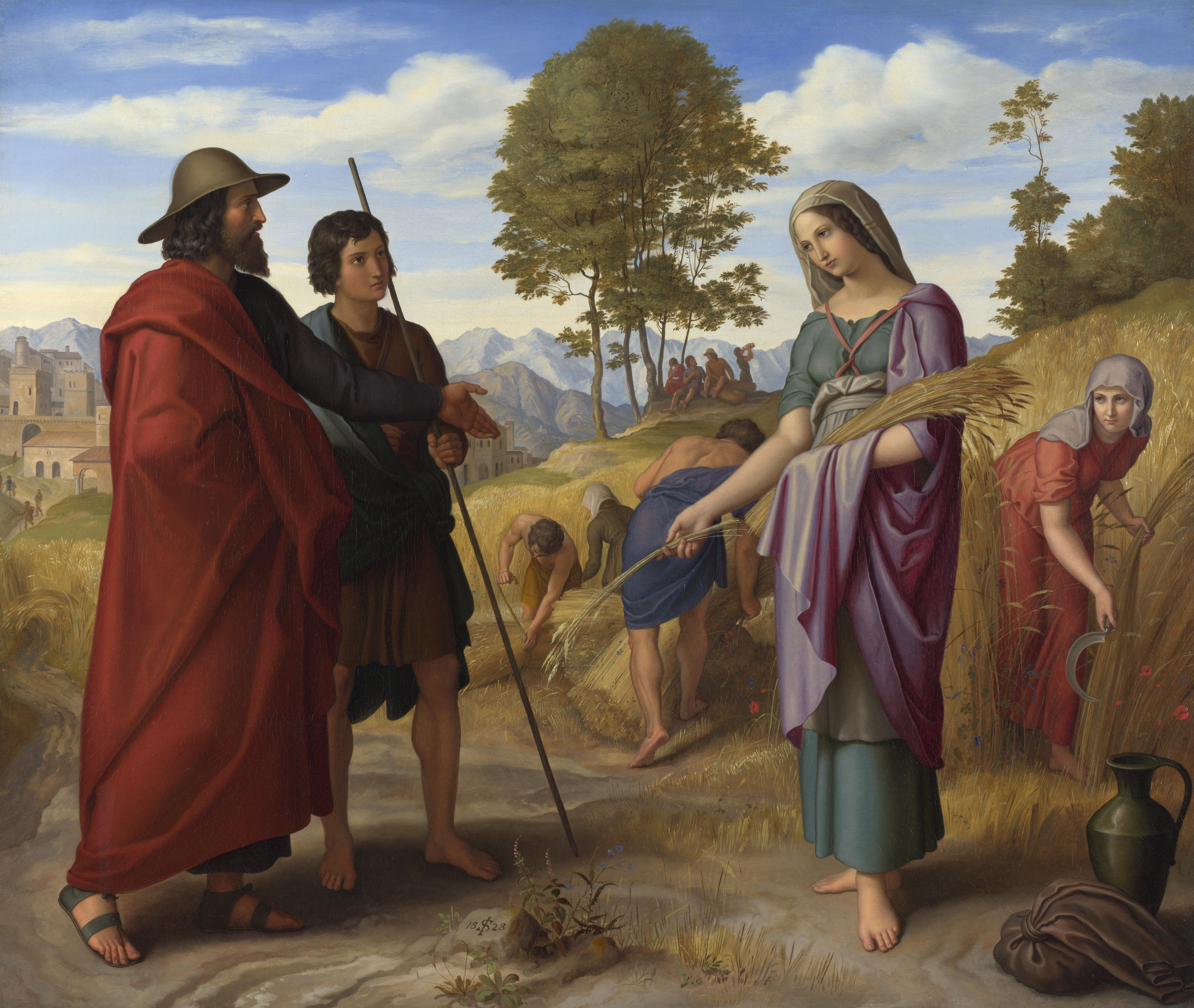

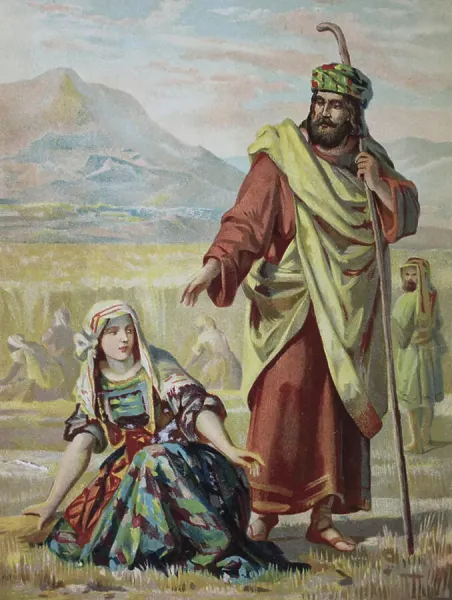
The story of Boaz, Ruth, and Naomi in the Book of Ruth is one of the most powerful examples of compassion, loyalty, and redemption in the Bible. Central to this narrative is Boaz’s role as a kinsman-redeemer, a legal position in ancient Israel that allowed a close relative to restore family property and protect vulnerable members of the family.
However, Boaz’s actions go far beyond simply fulfilling a legal requirement. His decisions demonstrate kindness, generosity, moral responsibility, and deep compassion toward Naomi and Ruth. Rather than acting reluctantly or minimally, Boaz embraces the opportunity to help them with sincerity and care.
This story reveals how genuine righteousness involves more than obeying the law—it requires a heart motivated by compassion and generosity.
Understanding the Role of the Kinsman-Redeemer
In ancient Israelite society, the kinsman-redeemer (Hebrew: goel) had several legal responsibilities designed to preserve family inheritance and provide protection.
Legal Duties of a Kinsman-Redeemer
A kinsman-redeemer could:
-
Redeem family land that had been sold due to poverty.
-
Marry a widow within the family to preserve the family line.
-
Protect vulnerable relatives who had no provider.
-
Restore family stability and inheritance rights.
In the case of Naomi and Ruth, their situation was desperate. Naomi’s husband Elimelech and her sons had died, leaving the two widows without financial security or social protection.
Legally, a relative could step in to redeem the land and continue the family line. Boaz had the opportunity to do so—but he was not the closest relative, meaning he was not required to take responsibility.
Yet despite this, Boaz willingly steps forward.
Boaz’s Compassion for Ruth
Boaz first encounters Ruth while she is gleaning in his fields, collecting leftover grain to survive. Instead of ignoring her or treating her as a stranger, Boaz responds with extraordinary kindness.
Ways Boaz Shows Compassion
-
Protection: Boaz instructs his workers not to harm or harass Ruth.
-
Provision: He invites her to drink water and eat with his workers.
-
Generosity: He orders his workers to intentionally leave extra grain for her to gather.
-
Respect: He speaks kindly and honors her dedication to Naomi.
These actions go far beyond the minimum expectations of the law. Boaz recognizes Ruth’s loyalty and sacrifices, praising her for leaving her homeland to care for Naomi.
His compassion demonstrates that he sees Ruth not merely as a foreign widow but as a person worthy of dignity and kindness.
Boaz’s Care for Naomi
Boaz’s compassion also extends to Naomi, his relative who had returned to Bethlehem in poverty.
Naomi’s Vulnerable Situation
Naomi faced several serious challenges:
-
Loss of husband and sons
-
No financial provider
-
Limited ability to work the land
-
Social vulnerability as an elderly widow
Without help, Naomi’s future would have been extremely uncertain.
Boaz’s Response
When Boaz later learns of Naomi’s plan for Ruth to seek redemption, he does not hesitate. Instead, he acts decisively to secure their future.
His actions include:
-
Publicly addressing the legal matter at the city gate
-
Ensuring Naomi’s land remains within the family
-
Providing long-term stability through marriage to Ruth
By doing this, Boaz restores Naomi’s security and dignity.
Going Beyond Legal Obligation
One of the most significant moments occurs when Boaz meets the closer relative who technically has the first right to redeem the land.
When the man learns that redeeming the land also requires marrying Ruth and raising offspring in the name of the deceased, he declines.
Boaz, however, willingly accepts the responsibility.
Why This Matters
Boaz could have avoided the obligation entirely. Instead, he chooses to embrace it.
This shows that his motivation is not merely legal duty but genuine compassion and moral integrity.
His actions reflect several qualities:
-
Generosity: He is willing to sacrifice resources and responsibility.
-
Integrity: He ensures everything is done lawfully and publicly.
-
Selflessness: He acts for the benefit of Naomi and Ruth, not personal gain.
Boaz transforms a legal requirement into an act of love and restoration.
Boaz as a Model of Righteous Character
The story portrays Boaz as a man of exceptional character.
Key Character Traits of Boaz
1. Kindness
He treats Ruth with respect and generosity, despite her being a foreigner.
2. Responsibility
He willingly assumes family obligations to protect Naomi and Ruth.
3. Integrity
He handles the redemption process transparently at the city gate before witnesses.
4. Compassion
His actions are driven by care rather than obligation.
These qualities demonstrate the biblical ideal of righteous living, where obedience to the law is combined with genuine love for others.
The Transforming Power of Redemption
Boaz’s compassionate actions ultimately change the lives of Naomi and Ruth.
The Results of His Redemption
-
Ruth gains security, dignity, and a new family.
-
Naomi regains hope and stability.
-
The family line is restored through their son Obed.
This redemption has an even greater significance: Obed becomes the grandfather of King David, placing Boaz and Ruth in the lineage of Israel’s royal family.
Thus, Boaz’s compassionate decision becomes part of a much larger story of divine purpose and blessing.
Lessons from Boaz’s Compassion
The story of Boaz offers several enduring lessons about moral responsibility and compassion.
Important Life Lessons
-
True righteousness goes beyond legal duty.
-
Kindness toward strangers reflects genuine faith.
-
Compassion can transform difficult situations.
-
Responsible leadership protects the vulnerable.
Boaz reminds readers that the greatest acts of righteousness often occur when people choose generosity over obligation.
Conclusion
Boaz’s role as a kinsman-redeemer in the Book of Ruth beautifully illustrates how compassion can elevate legal responsibility into an act of grace. While the law provided the framework for redemption, Boaz’s character filled that framework with kindness, generosity, and moral courage.
By protecting Ruth, restoring Naomi’s security, and preserving the family lineage, Boaz demonstrates that true righteousness is rooted in care for others and willingness to act sacrificially.
His story stands as a timeless reminder that compassion can transform duty into blessing and redemption into hope.
Comments are closed.